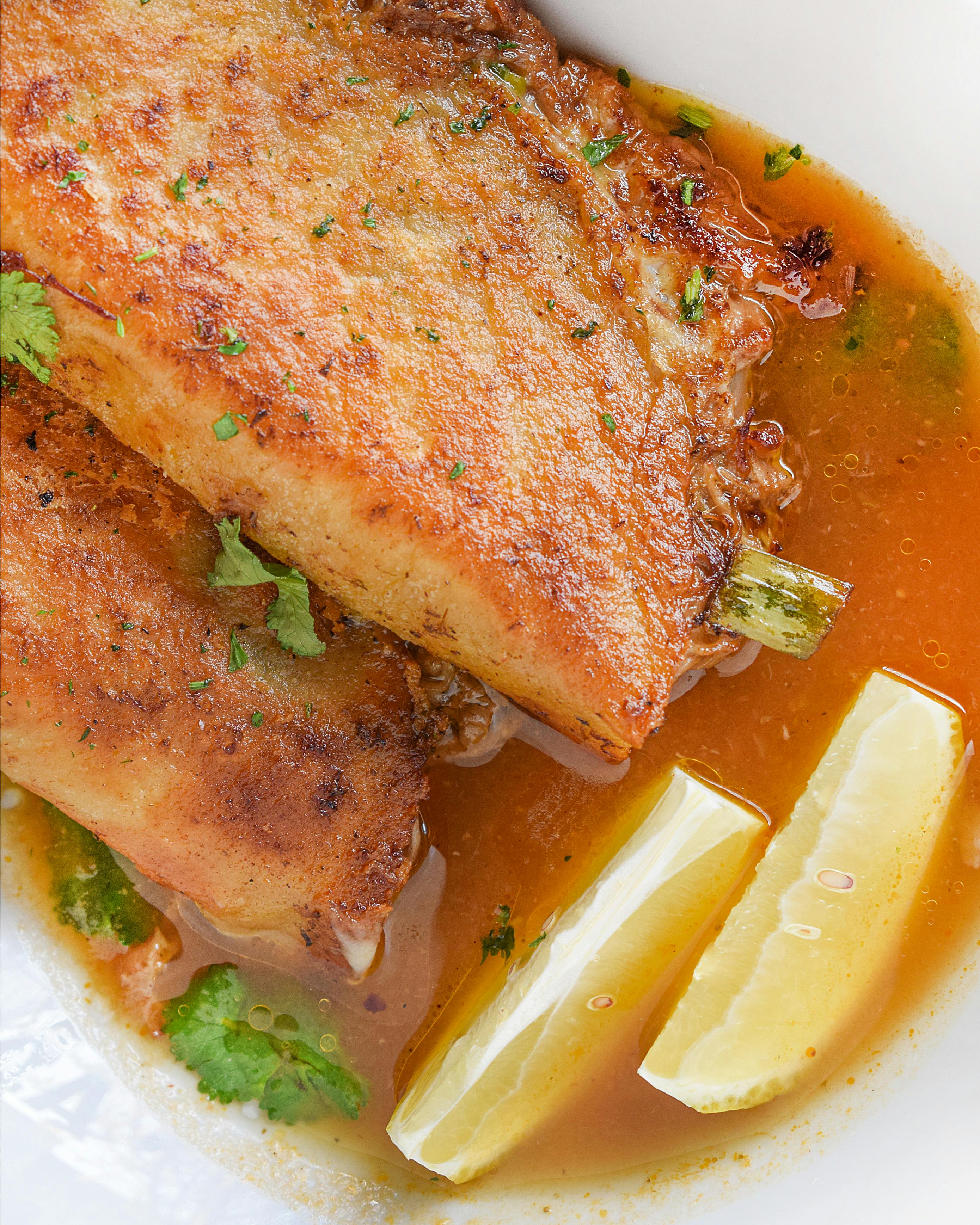
The diets react (see scores below)
Diet Ratings
Fatty fish with 0g carbs, excellent omega-3 content, and high-quality protein. Supports keto macros while providing cardiovascular and anti-inflammatory benefits.
Trout is fish flesh. All fish are excluded from vegan diet regardless of freshwater or saltwater origin.
Trout is an unprocessed freshwater fish rich in protein and omega-3 fatty acids. It was available to inland hunter-gatherers and is fully paleo-compliant.
Excellent source of omega-3 fatty acids and high-quality protein. Freshwater fish commonly consumed in Mediterranean regions and fits perfectly within recommended fish consumption frequency.
Trout is a fatty freshwater fish with excellent nutrient density, including omega-3 fatty acids and micronutrients. Fully approved for carnivore diet when fresh or minimally processed.
Trout is a whole, unprocessed seafood product that is explicitly compliant with Whole30. It is nutrient-dense and an excellent protein source.
Trout is a fresh fish with protein and fat only. Monash confirms all fish and seafood are low-FODMAP at any reasonable serving size.
Excellent DASH protein source. Rich in omega-3 fatty acids (1-1.5g per 3oz), low sodium (50-60mg per 3oz), low saturated fat. Supports cardiovascular health and DASH micronutrient profile.
Lean fish with strong omega-3 profile (higher than sea bass). ~26g protein per 3.5 oz serving. Excellent anti-inflammatory properties align with Zone philosophy. Ideal protein and fat source.
Fatty freshwater fish with significant omega-3 content (ALA and some EPA/DHA). Strong anti-inflammatory profile. Lower mercury than ocean predatory fish. Excellent protein and micronutrient source.
Trout provides excellent protein (20-22g per 3 oz cooked), moderate fat (5-7g per 3 oz) that is primarily omega-3 rich and anti-inflammatory. High nutrient density with selenium, B vitamins, and vitamin D. Easy to digest and works well in small portions. Slightly higher fat than sea bass but the omega-3 profile makes it an excellent GLP-1 choice.
Nutritional profile
Six traits that cut across every diet.
Fiber & Plants
How much whole-plant food and fiber it delivers.
Healthy Fats
The quality of its fats (unsaturated, omega-3).
Whole / Unprocessed
How close it is to its natural, unprocessed form.
Gut Gentle
How easy it is on digestion (low FODMAP, few irritants).
Low Glycemic
How little it spikes your blood sugar.
Protein Density
How much protein it packs per calorie.
Controversy Index
Score range: 1–10/10. Higher controversy = more disagreement between diets.
Diet-Specific Tips for Trout
 Keto — 9/10
- 0g net carbs
- Good omega-3 fatty acids
- High-quality protein (19-20g per 3oz)
- Whole, unprocessed food
 Paleo — 9/10
- Unprocessed fish
- Omega-3 rich
- High-quality protein
- Nutrient-dense
- No additives
 Mediterranean — 8/10
- Omega-3 fatty acids
- High-quality protein
- Traditional Mediterranean fish
- Low mercury
 Carnivore — 8/10
- Fatty fish
- Rich in omega-3s
- Excellent micronutrient profile
- Minimal processing when fresh
 Whole30 — 10/10
- whole food
- seafood
- unprocessed
- nutrient-dense
 Low-FODMAP — 9/10
- Pure protein and fat
- No carbohydrate content
- No fermentable substrates
 DASH — 9/10
- Sodium: 50-60mg per 3oz
- Omega-3 fatty acids: 1-1.5g per 3oz
- High-quality protein: 20-22g per 3oz
- Low saturated fat: 1-2g per 3oz
 Zone — 8/10
- High omega-3 content
- Lean protein
- Anti-inflammatory
- Low saturated fat
- Zone-ideal macros
 Anti-Inflammatory — 8/10
- omega-3 fatty acids
- anti-inflammatory
- high-quality protein
- low mercury
- B vitamins
 GLP-1 Friendly — 8/10
- high protein density
- omega-3 rich
- moderate fat (unsaturated)
- easy to digest
- nutrient-dense
- works in small portions