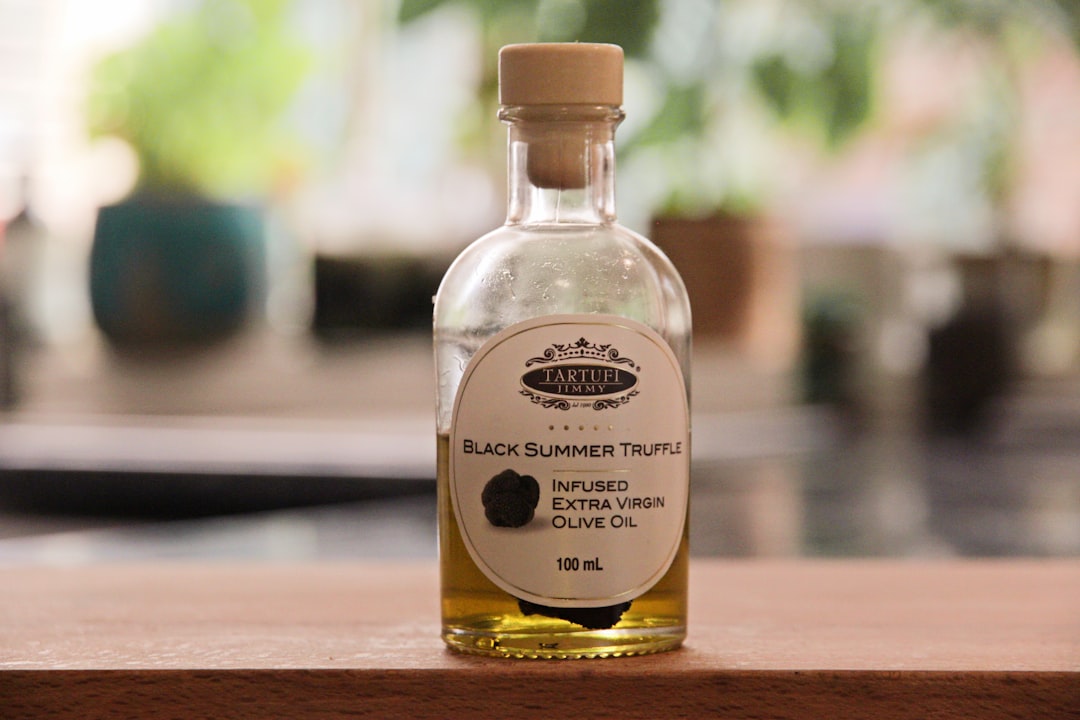
The diets react (see scores below)
Diet Ratings
Pure fat with zero carbs. Adds flavor to keto meals. Quality truffle oils contain minimal additives. Supports high-fat macros.
Most commercial truffle oils are plant-based (oil with truffle flavoring), but some may contain animal-derived emulsifiers or processing aids. Synthetic truffle flavoring is typically vegan, but verification needed.
Some vegans avoid truffle oil due to ethical concerns about truffle harvesting practices and environmental impact, viewing it as unnecessarily exploitative despite technical plant-base.
Most commercial truffle oil is made with seed oils (canola, soybean) as the base, with truffle flavoring added. Seed oils are explicitly excluded from paleo diet.
Truffle oil is a highly processed product, typically made with chemical flavoring rather than real truffles. It contradicts Mediterranean emphasis on whole foods and minimal processing. Extra virgin olive oil is the appropriate fat source for Mediterranean cooking and flavoring.
Most commercial truffle oils are plant-based oils (often grapeseed or mineral oil) infused with truffle flavoring. Even if made with animal fat, the truffle component is fungal (plant kingdom) and the product is typically processed with plant oils.
Pure truffle oil (oil infused with truffle) is technically compliant as a natural fat. However, many commercial truffle oils contain artificial flavoring, additives, or are not pure oil. Must verify ingredient label to ensure no prohibited additives.
Official Whole30 guidelines focus on whole foods and minimal processing. Some community members question whether flavored oils align with program spirit, though technically compliant if pure. Melissa Urban emphasizes ingredient transparency.
Truffle oil is primarily oil with truffle flavoring. Oil contains no FODMAPs. Truffle aroma compounds are not fermentable. Standard culinary portions are safe.
Pure fat (120 calories per tsp) with no nutritional benefit for DASH. Most commercial truffle oils contain saturated fat or tropical oils. Contradicts DASH emphasis on limiting added oils and fats.
Most commercial truffle oil is synthetic (not real truffle) and made from seed oils high in omega-6 polyunsaturated fat. Inflammatory profile directly contradicts Zone's anti-inflammatory focus. Real truffle oil is prohibitively expensive and unnecessary for Zone compliance.
Most commercial truffle oil is made with inflammatory seed oils (grapeseed, safflower, sunflower) infused with truffle flavoring. Even if made with olive oil, the high heat processing and oxidation of the oil during infusion creates inflammatory compounds. Should be avoided in anti-inflammatory diet.
Nearly 100% fat (14g per tbsp), zero protein, zero fiber, 120 calories per tbsp. Pure empty calories with no nutritional value. High fat content directly worsens nausea, bloating, and reflux. No place in GLP-1 diet despite flavor appeal.
Nutritional profile
Six traits that cut across every diet.
Fiber & Plants
How much whole-plant food and fiber it delivers.
Healthy Fats
The quality of its fats (unsaturated, omega-3).
Whole / Unprocessed
How close it is to its natural, unprocessed form.
Gut Gentle
How easy it is on digestion (low FODMAP, few irritants).
Low Glycemic
How little it spikes your blood sugar.
Protein Density
How much protein it packs per calorie.
Controversy Index
Score range: 1–9/10. Higher controversy = more disagreement between diets.
Diet-Specific Tips for Truffle oil
 Keto — 8/10
- 0g net carbs
- 100% fat
- Flavor enhancement
- Minimal processing in quality brands
 Vegan — 5/10
- Usually plant-based oil
- May contain non-vegan additives
- Requires label verification
- Ethical concerns about sourcing
 Whole30 — 6/10
- Requires label verification
- Often contains artificial flavoring
- May contain additives
 Low-FODMAP — 9/10
- Oil-based product
- No fermentable carbohydrates
- Truffle flavoring is FODMAP-free