The diets react (see scores below)
Diet Ratings
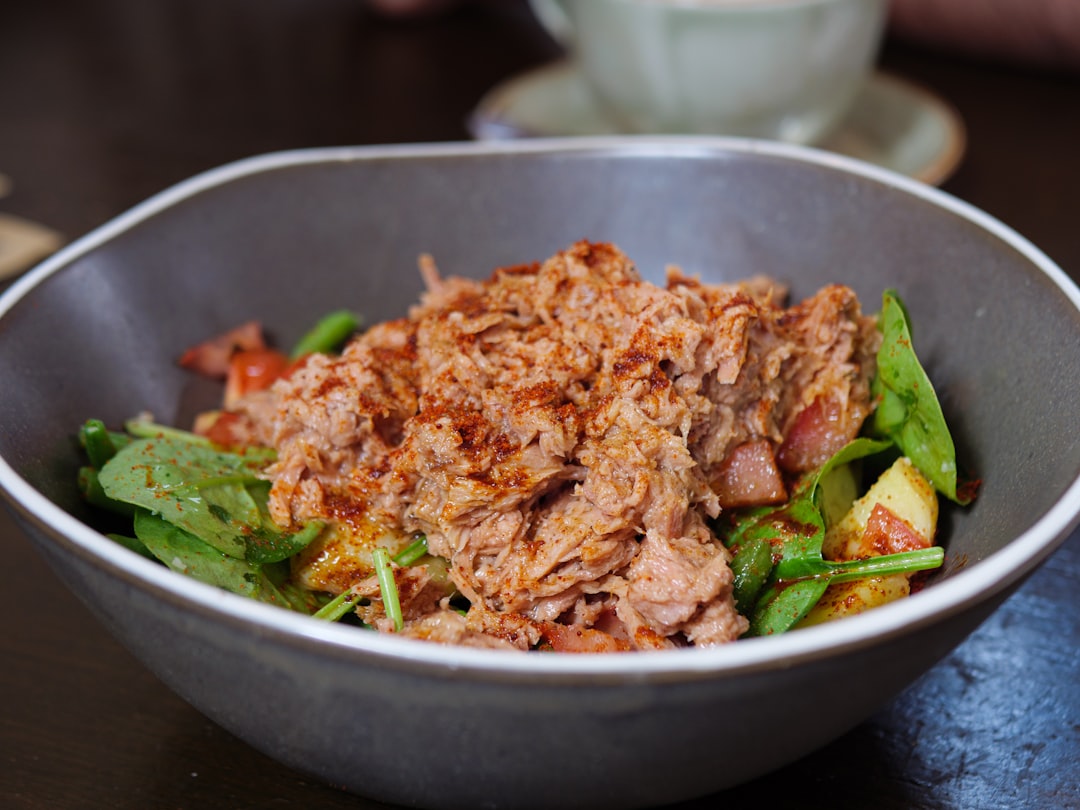
Tuna salad depends heavily on preparation. Plain tuna with mayo and celery is keto-friendly, but many commercial versions contain added sugars, sweetened relish, or high-carb binders. Homemade versions are typically safe.
Strict keto practitioners avoid canned tuna due to potential additives and prefer fresh fish; some also question mayo quality depending on seed oil content.
Contains fish (tuna), a clear animal product. Vegan diet excludes all seafood and fish products.
Tuna (fish) is paleo-approved, but tuna salad typically contains mayonnaise made with seed oils (canola/soybean) and often added sugar. The salad base is acceptable if vegetables are unprocessed.
Some paleo practitioners accept commercial mayo made with avocado oil or homemade mayo with olive oil, making tuna salad fully approvable if prepared with paleo-compliant ingredients.
Fish is encouraged 2-3 times weekly, but traditional tuna salad often uses mayo (high saturated fat). Approval depends heavily on preparation method and dressing.
Some Mediterranean practitioners emphasize tuna as a staple canned fish option, particularly in Southern European coastal regions where it's prepared simply with olive oil and vegetables rather than mayo-based preparations.
Tuna is excellent animal-derived protein and fat source. However, 'tuna salad' typically contains mayonnaise (acceptable if made with animal fat or eggs), but often includes celery, onions, or other vegetables, plus added sugars in some recipes. The salad component is problematic.
Some carnivore practitioners consume tuna salad made with mayo and minimal vegetable additions as acceptable, while purists avoid any plant vegetable inclusions and prefer plain tuna with just fat.
Tuna and vegetables are compliant, but traditional tuna salad uses mayo (compliant if no additives) and often added sugar. Depends heavily on preparation and ingredients used.
Some Whole30 practitioners avoid mayo-based salads due to processed nature, though mayo itself is technically compliant if made with compliant oils and eggs.
Tuna is low-FODMAP, but tuna salad typically contains mayonnaise (low-FODMAP) mixed with celery, onion, and sometimes apple or high-fructose additions. Homemade with low-FODMAP vegetables (cucumber, carrot) is acceptable; commercial versions often contain hidden FODMAPs.
Monash University rates plain tuna as low-FODMAP; however, clinical practitioners note that traditional tuna salad recipes frequently include onion and celery in amounts that may trigger symptoms. Serving size of tuna salad (150-200g) may contain problematic FODMAP loads depending on recipe.
Tuna provides omega-3 fatty acids and protein, but traditional tuna salad uses mayo (high saturated fat and calories). Sodium from canned tuna varies. Preparation method critical.
NIH DASH guidelines emphasize fish as beneficial; however, mayo-based preparation and sodium content in canned tuna may offset benefits. Consider using Greek yogurt instead of mayo.
Tuna provides excellent lean protein and omega-3s. However, traditional tuna salad uses mayo (omega-6 heavy) and often added sugars. Macro balance depends entirely on mayo quantity and salad composition. Can work if mayo is minimized and paired with low-glycemic vegetables.
Dr. Sears emphasizes omega-3 benefits of fish but warns against mayo-heavy preparations due to omega-6 content. Modern Zone guidance suggests using olive oil-based dressing instead.
Tuna provides omega-3 fatty acids (EPA/DHA), which are anti-inflammatory. However, tuna salad typically contains mayo (omega-6 seed oil), which can offset benefits. Mercury content in tuna is a concern with frequent consumption. Depends heavily on preparation method and mayo quantity.
Dr. Weil emphasizes fatty fish omega-3s as core anti-inflammatory foods. Some authorities recommend limiting tuna due to mercury; others prioritize omega-3 benefits. AHA guidelines support fish consumption 2-3x weekly.
Good protein (20-25g per serving) and omega-3 fats, but traditional tuna salad is typically made with mayo, making it high in fat and calories. Depends heavily on preparation method. If made with Greek yogurt or light mayo, score improves to 7-8.
Some RDs recommend tuna salad as-is for satiety benefits of fat; others strictly recommend mayo reduction or substitution due to GLP-1 fat intolerance and nausea risk. Individual tolerance varies significantly.
Nutritional profile
Six traits that cut across every diet.
Fiber & Plants
How much whole-plant food and fiber it delivers.
Healthy Fats
The quality of its fats (unsaturated, omega-3).
Whole / Unprocessed
How close it is to its natural, unprocessed form.
Gut Gentle
How easy it is on digestion (low FODMAP, few irritants).
Low Glycemic
How little it spikes your blood sugar.
Protein Density
How much protein it packs per calorie.
Controversy Index
Score range: 1–6/10. Higher controversy = more disagreement between diets.
Diet-Specific Tips for Tuna salad
 Keto — 6/10
- Carbs depend on added ingredients
- Commercial versions often contain sugar
- Homemade with mayo is typically keto-safe
- Check ingredient labels carefully
 Paleo — 6/10
- Fish protein (approved)
- Mayonnaise typically uses seed oils (problematic)
- Check for added sugar in mayo
- Vegetable base is acceptable
 Mediterranean — 5/10
- fish protein beneficial
- mayo preparation problematic
- preparation method critical
- mayo contradicts olive oil principle
 Carnivore — 4/10
- tuna is animal-derived
- vegetables in salad are plant-based
- mayo ingredient quality matters
- added sugars possible
 Whole30 — 6/10
- Tuna is compliant
- Vegetables are compliant
- Mayo ingredient quality matters
- Check for added sugar
 Low-FODMAP — 5/10
- Tuna base is low-FODMAP
- Onion and celery are common high-FODMAP additions
- Mayonnaise is low-FODMAP
- Recipe variation is critical
 DASH — 5/10
- Good omega-3 source
- High protein
- Often high in saturated fat (mayo)
- Sodium varies (canned vs fresh)
- Preparation method critical
 Zone — 5/10
- Excellent protein and omega-3s
- Mayo preparation problematic
- Potential added sugars
- Vegetable content variable
- Fat source quality critical
 Anti-Inflammatory — 5/10
- omega-3 fatty acids
- mayo preparation (omega-6)
- mercury content
- preparation-dependent
 GLP-1 Friendly — 6/10
- High protein
- Omega-3 fats
- Mayo-dependent fat content
- Preparation-sensitive
- Easy to digest