The diets react (see scores below)
Diet Ratings
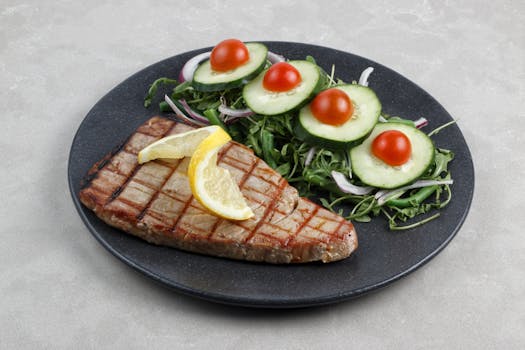
Tuna steak contains zero net carbs, excellent protein (approximately 26g per 100g), and good fat content. It is a whole, unprocessed seafood source ideal for ketogenic diets with no additives or carbohydrates.
Fish meat. Animal flesh product. Violates vegan diet completely.
Tuna steak is unprocessed fish, an excellent source of protein and omega-3 fatty acids. A core paleo protein source representing foods available to coastal Paleolithic populations.
Fatty fish rich in omega-3 fatty acids. Aligns with Mediterranean recommendation of fish 2-3 times weekly. Minimal processing when fresh. Excellent protein and nutrient source.
Tuna steak is unprocessed fish, animal-derived, and excellent source of protein, omega-3 fatty acids, and micronutrients. Widely accepted in carnivore diet. Slightly lower than ruminant meat due to fish vs. land animal, but still highly approved.
Tuna steak is whole, unprocessed seafood. All seafood is explicitly allowed on Whole30. No excluded ingredients present.
Plain tuna steak is low-FODMAP. Monash confirms all plain fish as safe at any reasonable serving.
Fatty fish rich in omega-3 fatty acids (EPA/DHA), high-quality protein, and potassium. Excellent cardiovascular benefits. Core DASH fish recommendation. Low sodium if unseasoned.
Excellent lean protein (~25g per 100g) with favorable omega-3 content. Low fat (~5g per 100g). Minimal processing. Anti-inflammatory profile. Perfect Zone protein choice. Higher in omega-3s than most fish. Fits 30% protein macronutrient target ideally.
Fatty fish rich in omega-3 fatty acids (EPA, DHA) with strong anti-inflammatory properties. Unprocessed, nutrient-dense with selenium and B vitamins. Excellent protein source. Recommended in anti-inflammatory diet. Mercury content manageable with moderate consumption.
Lean fish with 26g protein, 1.3g fat per 100g, and high omega-3 content. Nutrient-dense, easy to digest, satisfying in small portions. Minimal saturated fat. Excellent for GLP-1 patients. Cook with minimal oil (grill, bake, or steam preferred over pan-frying).
Nutritional profile
Six traits that cut across every diet.
Fiber & Plants
How much whole-plant food and fiber it delivers.
Healthy Fats
The quality of its fats (unsaturated, omega-3).
Whole / Unprocessed
How close it is to its natural, unprocessed form.
Gut Gentle
How easy it is on digestion (low FODMAP, few irritants).
Low Glycemic
How little it spikes your blood sugar.
Protein Density
How much protein it packs per calorie.
Controversy Index
Score range: 1–10/10. Higher controversy = more disagreement between diets.
Diet-Specific Tips for Tuna steak
 Keto — 9/10
- Zero net carbs
- Excellent protein content
- Good fat content
- Whole, unprocessed
- Omega-3 fatty acids
 Paleo — 9/10
- unprocessed fish
- excellent protein source
- omega-3 rich
- nutrient-dense
- available to hunter-gatherers
 Mediterranean — 9/10
- fish-based protein
- omega-3 rich
- minimal processing
- recommended frequency alignment
- nutrient-dense
 Carnivore — 8/10
- Fish-derived
- Unprocessed
- High omega-3 content
- Complete protein
- Micronutrient-rich
 Whole30 — 9/10
- Whole seafood
- Unprocessed
- Explicitly allowed protein
 Low-FODMAP — 10/10
- Plain protein source
- No fermentable carbohydrates
- No FODMAP additives
 DASH — 9/10
- Rich in omega-3 fatty acids
- Excellent protein source
- High potassium content
- Low sodium if unseasoned
- Cardiovascular protective
 Zone — 9/10
- Lean protein
- High omega-3 content
- Low total fat
- Minimal processing
- Anti-inflammatory
- Excellent macronutrient fit
 Anti-Inflammatory — 8/10
- omega-3 rich
- EPA/DHA content
- unprocessed
- nutrient-dense
- anti-inflammatory
- moderate mercury concern
 GLP-1 Friendly — 9/10
- very high protein
- very low fat
- omega-3 rich
- nutrient-dense
- small portion friendly