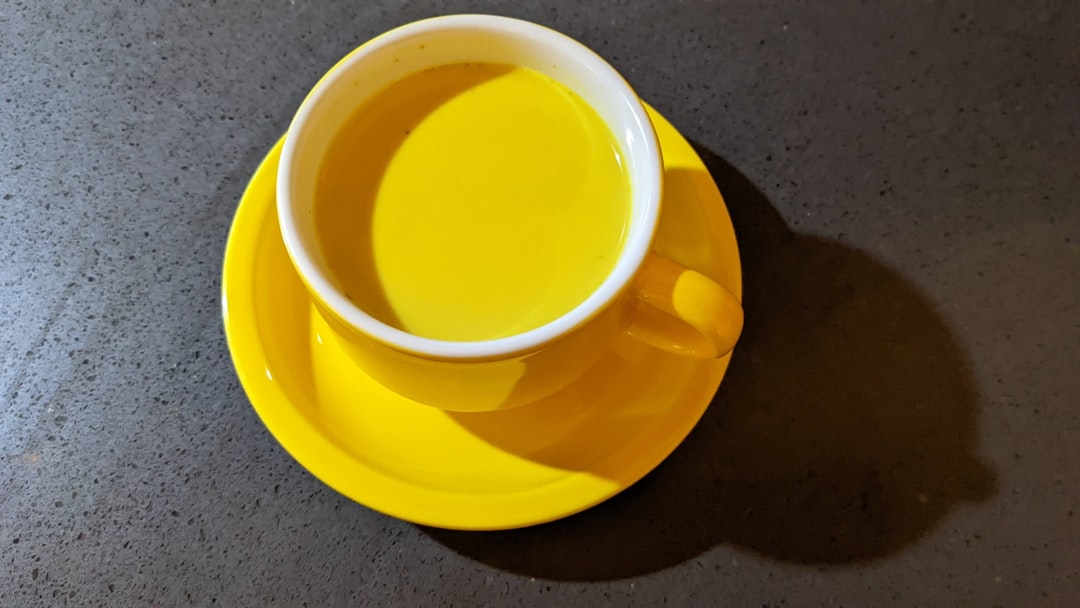
Turmeric latte (golden milk)
Rated by 11 diets
The diets react (see scores below)
Diet Ratings
A turmeric latte made with unsweetened almond milk, turmeric, and fat (coconut oil or butter) is keto-compatible (~2-3g net carbs). However, many commercial or homemade versions add honey, sugar, or sweetened milk, pushing carbs to 10-15g. Preparation method is critical.
Some keto practitioners avoid turmeric lattes entirely due to the risk of hidden sugars in commercial mixes and the difficulty of ensuring truly unsweetened preparation.
Traditional recipes use dairy milk and honey. Plant-based versions using almond, oat, or coconut milk are fully vegan. Honey presence makes standard recipes non-vegan. Verdict depends entirely on preparation.
Some vegans accept turmeric lattes made with any plant-based milk as fully approved (score 9), viewing the dairy/honey issue as a preparation choice rather than ingredient concern.
Turmeric latte typically contains turmeric (approved), spices (approved), and milk (not paleo). If made with coconut milk or almond milk, it becomes more paleo-compliant. The preparation method and sweetener determine the rating. Often contains added sweeteners.
Some paleo practitioners accept turmeric lattes made with compliant milk alternatives (coconut, almond) and natural sweeteners as acceptable beverages. Strict paleo excludes all processed beverages and any dairy-based versions.
Turmeric is anti-inflammatory spice aligned with Mediterranean principles. When made with minimal added sugars and plant-based milk, fits diet well. Traditional in some Mediterranean regions. Supports whole-food beverage consumption.
Turmeric latte combines turmeric (plant spice) with milk and typically other plant-based ingredients (ginger, cinnamon). While milk is debated in carnivore, the turmeric and other spices are plant-derived and explicitly excluded.
Turmeric latte is compliant if made with compliant ingredients (turmeric, spices, coconut milk, and no added sugar). However, many commercial versions contain added sugar, dairy milk, or other excluded ingredients. Homemade versions with verified ingredients are acceptable.
Community debate exists on whether turmeric lattes align with the spirit of Whole30 if they resemble sweetened dessert beverages. Official Whole30 allows them if ingredients are compliant and no added sugar is present.
Turmeric and ginger are low-FODMAP, but golden milk typically includes milk (lactose risk), honey (high-FODMAP), or sweeteners. FODMAP status depends on the specific recipe and milk choice. Homemade versions with lactose-free milk and no honey are safer.
Monash University has not tested 'turmeric latte' as a prepared beverage. Clinical practitioners note that commercial or traditional recipes often contain honey (high-FODMAP) or regular dairy milk (lactose). A low-FODMAP version using lactose-free milk and no added sweetener would be approvable.
Turmeric provides curcumin with anti-inflammatory properties. However, traditional recipes use full-fat milk or coconut milk (saturated fat concern) and added sweeteners. Low-sodium, made with low-fat milk and minimal added sugar, becomes acceptable. Preparation method critical.
NIH DASH guidelines limit tropical oils (coconut) and full-fat dairy. Updated clinical interpretation recognizes turmeric's cardiovascular benefits, but preparation must align with DASH (low-fat milk, minimal added sugar, no coconut milk).
Turmeric is anti-inflammatory (curcumin). However, traditional recipes use milk + sweetener. Macros depend heavily on preparation. If made with unsweetened almond milk and no added sugar, acceptable. If made with regular milk and honey/sugar, problematic.
Dr. Sears emphasizes polyphenol-rich beverages; turmeric aligns with this. However, milk-based versions may exceed fat/carb targets. Preparation method determines Zone compatibility.
Turmeric latte combines turmeric (curcumin - potent anti-inflammatory), ginger, and warm milk. This aligns perfectly with anti-inflammatory principles. Black pepper enhances curcumin absorption. Choose versions with minimal added sugar and use of whole milk or plant-based alternatives without inflammatory additives.
Turmeric latte (turmeric + milk + spices) provides anti-inflammatory benefits and is generally well-tolerated. However, calorie and fat content depend heavily on milk type and added sweeteners. Unsweetened almond milk version = 30-50 calories, low fat, acceptable. Whole milk or sweetened version = 150-200 calories with 5-8g fat, less ideal. Portion and preparation method are critical.
Some GLP-1 RDs recommend turmeric lattes for anti-inflammatory support and as a warm beverage alternative to coffee, while others view them as unnecessary calorie expenditure unless made with unsweetened plant milk and no added sugar, in which case they become neutral rather than beneficial.
Nutritional profile
Six traits that cut across every diet.
Fiber & Plants
How much whole-plant food and fiber it delivers.
Healthy Fats
The quality of its fats (unsaturated, omega-3).
Whole / Unprocessed
How close it is to its natural, unprocessed form.
Gut Gentle
How easy it is on digestion (low FODMAP, few irritants).
Low Glycemic
How little it spikes your blood sugar.
Protein Density
How much protein it packs per calorie.
Controversy Index
Score range: 2–9/10. Higher controversy = more disagreement between diets.
Diet-Specific Tips for Turmeric latte (golden milk)
 Keto — 6/10
- Preparation-dependent
- Often contains added sweeteners
- Milk choice affects carbs
- Can be keto if made carefully
 Vegan — 6/10
- Dairy milk in traditional recipes
- Honey often included
- Plant-based versions available
- Preparation-dependent
 Paleo — 6/10
- Dairy milk (if traditional)
- Often sweetened
- Processed beverage format
- Turmeric is compliant
- Milk alternative matters
 Mediterranean — 8/10
- Anti-inflammatory spice
- Minimal processing
- Plant-based milk option
- Low sugar when prepared properly
 Whole30 — 5/10
- Ingredient-dependent
- Commercial versions often non-compliant
- Homemade versions acceptable if unsweetened
 Low-FODMAP — 6/10
- Turmeric and ginger are low-FODMAP
- Milk choice determines lactose content
- Honey is high-FODMAP
- Recipe-dependent
 DASH — 6/10
- Curcumin anti-inflammatory benefits
- Saturated fat dependent on preparation
- Added sugar content variable
- Preparation method critical
 Zone — 6/10
- Turmeric = anti-inflammatory polyphenols
- Milk choice critical (unsweetened almond vs. whole milk)
- Sweetener addition determines carb load
- Macronutrient balance depends on recipe
 Anti-Inflammatory — 9/10
- curcumin from turmeric (powerful anti-inflammatory)
- ginger adds additional anti-inflammatory compounds
- black pepper enhances bioavailability
- requires low-sugar preparation
 GLP-1 Friendly — 6/10
- anti-inflammatory turmeric
- milk type determines fat/calorie content
- sweetener addition critical
- warm beverage comfort
- preparation-dependent rating