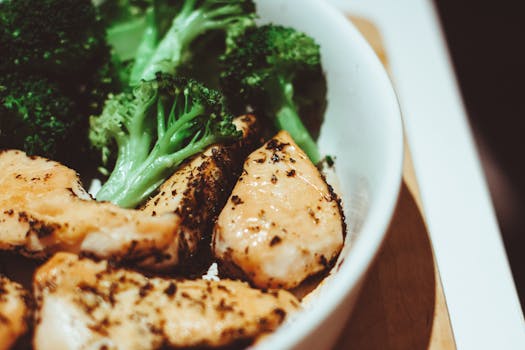
TV dinner (Lean Cuisine-style)
Rated by 11 diets
The diets react (see scores below)
Diet Ratings
Lean Cuisine and similar frozen meals typically contain 25-40g net carbs from starches, grains, and added sugars. Designed for low-fat, not low-carb. Incompatible with keto.
Most Lean Cuisine products contain animal products (chicken, fish, dairy). Some newer plant-based versions exist. Heavily processed. Requires specific product verification.
Some vegans accept processed convenience foods when plant-based versions are available, while others avoid the category entirely due to ultra-processing and environmental concerns.
Highly processed frozen meal containing grains, legumes, seed oils, artificial additives, preservatives, and refined sugars. Fundamentally incompatible with paleo philosophy.
Ultra-processed with artificial additives, preservatives, high sodium, and refined carbohydrates. Contradicts Mediterranean emphasis on whole, minimally processed foods prepared fresh.
Lean Cuisine-style TV dinners are ultra-processed foods containing grains, vegetables, legumes, added sugars, artificial sweeteners, and plant-based additives. Even if they contain some meat, the overwhelming plant-based and processed components make them incompatible with carnivore principles.
Highly processed with multiple excluded ingredients: grains, added sugar, soy, dairy, and various additives. Violates core Whole30 principles.
Lean Cuisine and similar frozen meals vary widely. Many contain garlic, onion, wheat-based sauces, or legumes. Some low-FODMAP-friendly options exist (plain protein + vegetable combinations), but most standard varieties exceed limits. Requires label inspection.
Monash University does not provide blanket guidance on frozen meal brands. Clinical practitioners recommend avoiding most commercial TV dinners due to hidden garlic/onion powders and processed ingredients. Select brands with transparent ingredient lists and no aromatics.
Lower calorie and fat than traditional frozen meals, but sodium often 600-900mg per serving. Heavily processed with additives. Portion control easier, but nutrient density limited.
Updated clinical interpretation suggests convenience meals may support adherence for some patients, but NIH DASH guidelines emphasize whole foods. Use as occasional alternative, not staple.
Ultra-processed with refined carbohydrates, added sugars, artificial ingredients, and excessive sodium. Protein is often low-quality. Macro ratios are carb-skewed. Trans fats and seed oils common. Fundamentally incompatible with Zone's whole-food philosophy.
Highly processed with refined carbohydrates, added sugars, sodium, artificial additives, and likely seed oils. Minimal whole food content. Lacks fiber, antioxidants, and polyphenols. Inflammatory across all dimensions.
Protein varies (10-18g depending on type), low fat by design, portion-controlled, and convenient. However, ultra-processed, high sodium, low fiber, and often contains sugar alcohols or artificial sweeteners that may worsen GI side effects. Nutrient density is moderate at best.
Some RDs recommend Lean Cuisine-style meals as convenient GLP-1 options when fresh food is unavailable; others view them as too processed and low in fiber/protein density to be ideal, especially given GLP-1 patients' reduced appetite and need for nutrient density.
Nutritional profile
Six traits that cut across every diet.
Fiber & Plants
How much whole-plant food and fiber it delivers.
Healthy Fats
The quality of its fats (unsaturated, omega-3).
Whole / Unprocessed
How close it is to its natural, unprocessed form.
Gut Gentle
How easy it is on digestion (low FODMAP, few irritants).
Low Glycemic
How little it spikes your blood sugar.
Protein Density
How much protein it packs per calorie.
Controversy Index
Score range: 1–5/10. Higher controversy = more disagreement between diets.
Diet-Specific Tips for TV dinner (Lean Cuisine-style)
 Vegan — 4/10
- Usually contains meat or dairy
- Highly processed
- Some vegan options emerging
- Label verification critical
 Low-FODMAP — 4/10
- Highly variable by brand and product
- Common additives: garlic powder, onion powder, wheat thickeners
- Sauce-based meals typically high-FODMAP
- Label inspection essential
 DASH — 4/10
- Moderate sodium
- Lower saturated fat
- Heavily processed
- Limited whole foods
- Portion-controlled
 GLP-1 Friendly — 5/10
- Variable protein
- Low fat by design
- Ultra-processed
- High sodium
- Low fiber
- Portion-controlled
- Artificial sweeteners/sugar alcohols