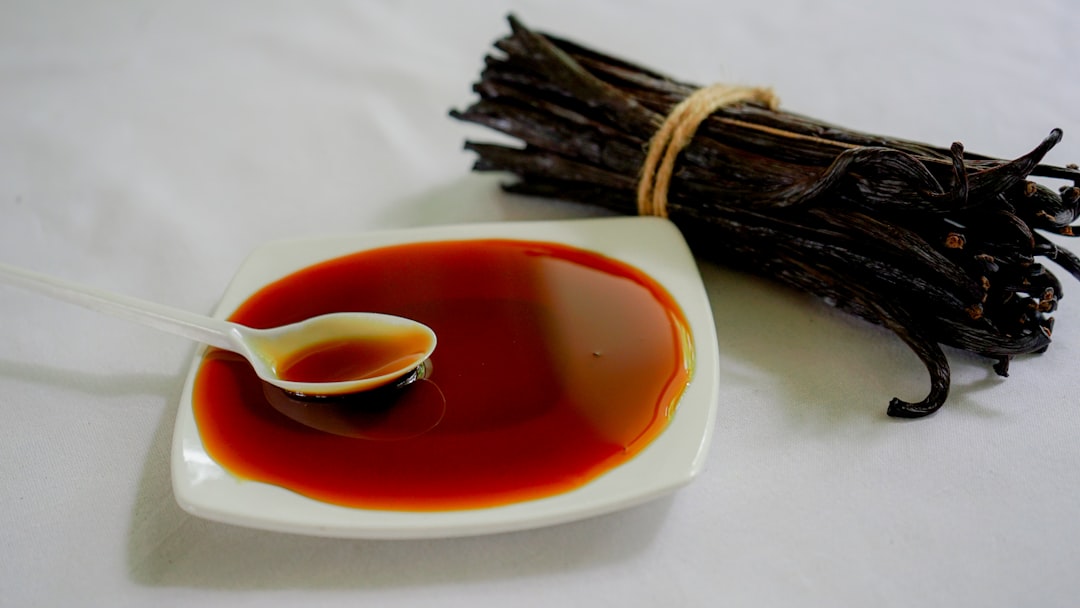
Vanilla extract
Rated by 11 diets
The diets react (see scores below)
Diet Ratings
Pure vanilla extract contains minimal carbs per serving (typically <0.5g per teaspoon). Alcohol content aids preservation. Standard usage amounts are keto-compatible.
Pure vanilla extract is made from vanilla beans steeped in alcohol. No animal products involved in standard production.
Pure vanilla extract is made from vanilla beans and alcohol, both paleo-compatible. However, most commercial vanilla extract contains added sugar or corn syrup, and the alcohol content varies.
Some paleo practitioners accept pure vanilla extract as a flavoring agent in negligible quantities, while others exclude all processed extracts due to processing and potential additives.
Pure vanilla extract is a natural flavoring with negligible calories and no added sugars when pure. It enhances Mediterranean-compatible dishes without contradicting dietary principles. Used in small quantities for flavor enhancement.
Vanilla extract is derived from vanilla orchid pods (plant), typically contains alcohol and sugar. Plant-derived flavoring incompatible with carnivore principles.
Pure vanilla extract (not imitation) is Whole30 compliant. The alcohol content is negligible and burns off in cooking. Used as a flavoring agent in compliant recipes.
Vanilla extract is used in very small quantities (typically 1 tsp or less per recipe). The alcohol content and minimal volume mean negligible FODMAP load. Monash confirms vanilla as low-FODMAP.
Vanilla extract is used in minimal quantities (typically 1 teaspoon per recipe serving many people). Negligible sodium, sugar, and calories per serving. Enhances flavor without added salt or sugar, supporting DASH compliance.
Pure vanilla extract contains minimal carbs and negligible macronutrients per serving (1 tsp ≈ 0.1g carbs). Alcohol content (35%) evaporates during cooking. Provides flavor without Zone disruption. Polyphenol-rich from vanilla bean.
Pure vanilla extract contains vanillin and polyphenols with mild antioxidant properties. Used in small quantities, it adds flavor without inflammatory ingredients. Avoid imitation vanilla (synthetic additives).
Pure vanilla extract is alcohol-based but used in tiny amounts (1/2 tsp per recipe or drink). The alcohol content per serving is negligible and evaporates during cooking. Adds flavor to protein shakes, Greek yogurt, and cottage cheese without calories or GI impact.
Nutritional profile
Six traits that cut across every diet.
Fiber & Plants
How much whole-plant food and fiber it delivers.
Healthy Fats
The quality of its fats (unsaturated, omega-3).
Whole / Unprocessed
How close it is to its natural, unprocessed form.
Gut Gentle
How easy it is on digestion (low FODMAP, few irritants).
Low Glycemic
How little it spikes your blood sugar.
Protein Density
How much protein it packs per calorie.
Controversy Index
Score range: 2–9/10. Higher controversy = more disagreement between diets.
Diet-Specific Tips for Vanilla extract
 Keto — 8/10
- <0.5g net carbs per teaspoon
- alcohol-based
- minimal sugar
- small serving sizes
 Vegan — 9/10
- Ensure 'pure' not 'imitation' (though imitation is also vegan)
- Alcohol content is plant-derived
- No animal testing concerns in extraction
 Paleo — 6/10
- Alcohol-based extraction
- Often contains added sugars
- Used in small quantities
- Check for pure vs. imitation
 Mediterranean — 8/10
- minimal caloric content
- natural flavoring
- no added sugars in pure form
- enhances whole food dishes
 Whole30 — 8/10
- Pure vanilla bean extract
- Alcohol content minimal and cooks off
- Approved flavoring agent
 Low-FODMAP — 9/10
- Used in minimal quantities
- Alcohol-based extraction
- Negligible FODMAP per serving
 DASH — 9/10
- minimal sodium per serving
- used in small quantities
- flavor enhancement without additives
- no saturated fat
 Zone — 9/10
- Negligible macronutrients
- Alcohol volatilizes in cooking
- Polyphenol content
- Flavor without metabolic impact
 Anti-Inflammatory — 7/10
- polyphenol content
- minimal sugar in pure extract
- used in small amounts
- avoid imitation varieties
 GLP-1 Friendly — 8/10
- negligible alcohol per serving
- zero calories in typical use
- flavor support for protein foods
- no GI triggers