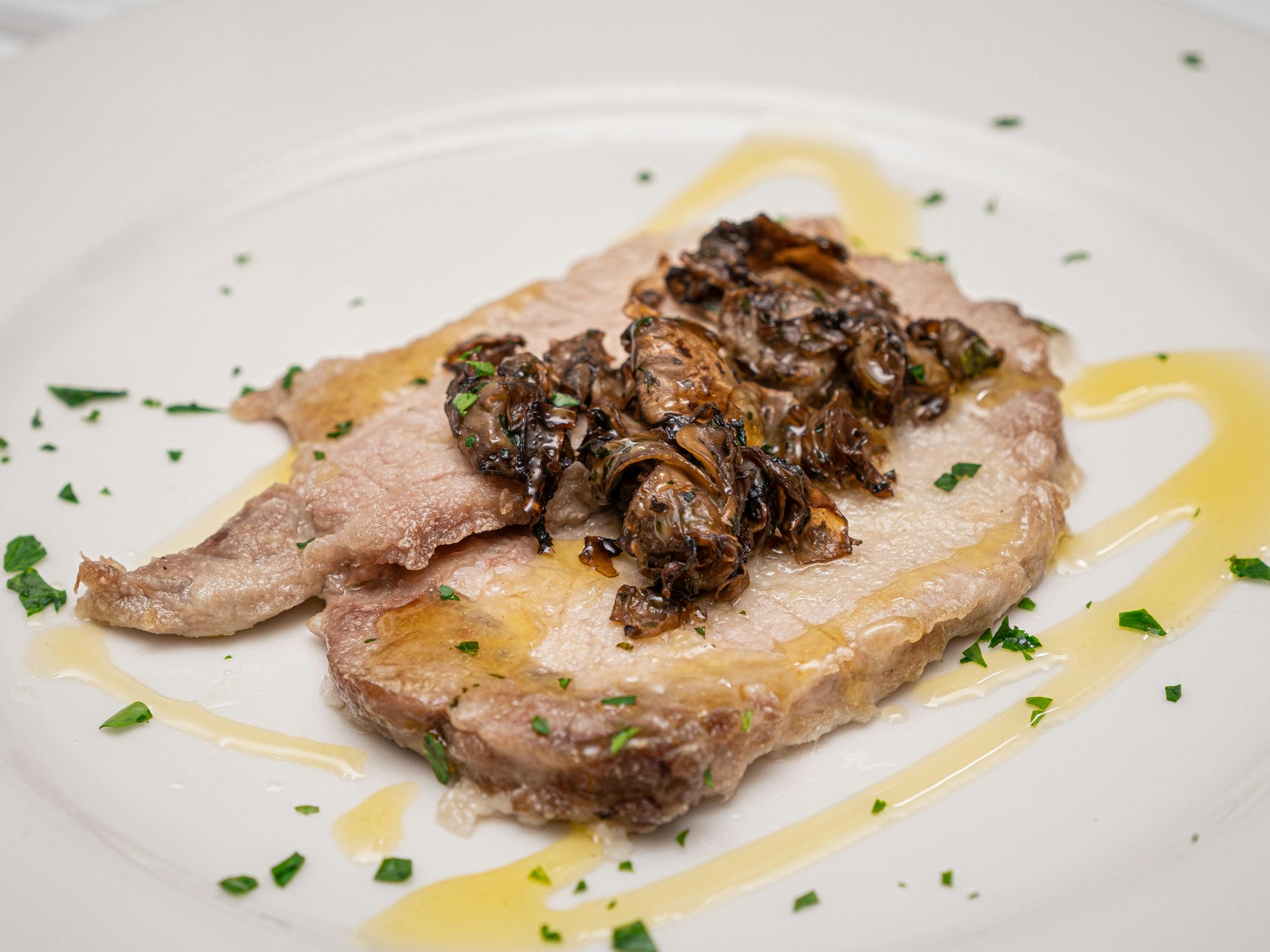
The diets react (see scores below)
Diet Ratings
Veal is lean meat with 0g net carbs and high-quality protein. Slightly lower fat than beef, but still keto-compatible. Best consumed with added fat sources or fatty cuts.
Veal is meat from young cattle, an animal product that violates vegan diet and raises additional ethical concerns.
Unprocessed veal is a whole meat protein available to hunter-gatherers. Young beef with tender texture and nutrient profile aligns with paleo principles.
Veal is red meat and falls under the Mediterranean diet's red meat limitation (few times monthly). It is leaner than beef but still a red meat product. Some Mediterranean regions have veal traditions, but it should be consumed infrequently and in small portions.
Mediterranean regions with strong veal traditions (parts of Italy) view it as an acceptable occasional protein. Some experts consider veal's leanness relative to beef as a mitigating factor, though it remains red meat.
Veal is young beef from ruminant animals with tender texture and complete nutritional profile. Acceptable and valued in carnivore diet as a ruminant meat source with good nutrient density.
Whole30 explicitly allows unprocessed meat. Veal is a whole cut with no added ingredients.
Unprocessed meat with no carbohydrates. Monash University confirms all unprocessed meats are low-FODMAP.
Veal is a lean red meat with low saturated fat (1.4g per 3oz) and low cholesterol. High in protein, iron, and B vitamins. Fits DASH guidelines for lean meats in moderation. Minimal sodium in unprocessed form.
Veal is exceptionally lean (~3-4g fat per 3oz) with excellent protein (~25g per 3oz). Lower in saturated fat than beef while maintaining superior amino acid profile. Aligns with Zone's lean protein requirements and anti-inflammatory principles.
Veal is leaner than beef with lower fat content, but still red meat with arachidonic acid. Ethical concerns aside, inflammatory profile is intermediate between poultry and beef. Acceptable occasionally but not primary protein.
Some nutritionists note veal's superior micronutrient profile (iron, B12) compared to poultry. However, anti-inflammatory diet emphasizes fish and poultry as primary proteins.
Very lean meat (1.4g fat per 3oz cooked) with excellent protein (26g per 3oz). Low saturated fat, nutrient-dense (iron, B12, zinc), and easy to digest. Prepare without added fats or heavy sauces. Ideal GLP-1 companion protein supporting muscle preservation.
Nutritional profile
Six traits that cut across every diet.
Fiber & Plants
How much whole-plant food and fiber it delivers.
Healthy Fats
The quality of its fats (unsaturated, omega-3).
Whole / Unprocessed
How close it is to its natural, unprocessed form.
Gut Gentle
How easy it is on digestion (low FODMAP, few irritants).
Low Glycemic
How little it spikes your blood sugar.
Protein Density
How much protein it packs per calorie.
Controversy Index
Score range: 1–9/10. Higher controversy = more disagreement between diets.
Diet-Specific Tips for Veal
 Keto — 8/10
- 0g net carbs
- High protein quality
- Lean meat
- Unprocessed
 Paleo — 8/10
- Unprocessed meat
- Whole food protein
- Nutrient-dense
- No additives
 Mediterranean — 4/10
- Red meat category
- Leaner than beef
- Limited frequency required
- Regional Mediterranean tradition
- Small portions recommended
 Carnivore — 8/10
- Ruminant meat
- Complete amino acids
- Nutrient-dense
- Tender texture
 Whole30 — 9/10
- Unprocessed meat
- No added sugar or excluded ingredients
- Whole food
 Low-FODMAP — 9/10
- No FODMAPs
- Unprocessed meat
- Pure protein and fat
 DASH — 8/10
- Lean red meat
- Low saturated fat
- Low cholesterol
- High protein and micronutrients
- Minimal sodium
 Zone — 7/10
- Very lean protein
- Low saturated fat
- High protein yield
- Ideal for Zone protein blocks
 Anti-Inflammatory — 4/10
- Leaner than beef
- Still contains arachidonic acid
- Lower saturated fat than beef
- Red meat category concerns
 GLP-1 Friendly — 8/10
- very low fat
- high protein density
- nutrient-dense
- easy to digest
Editor's Picks
As an Amazon Associate, FoodRef.ai earns from qualifying purchases. This does not affect our ratings.