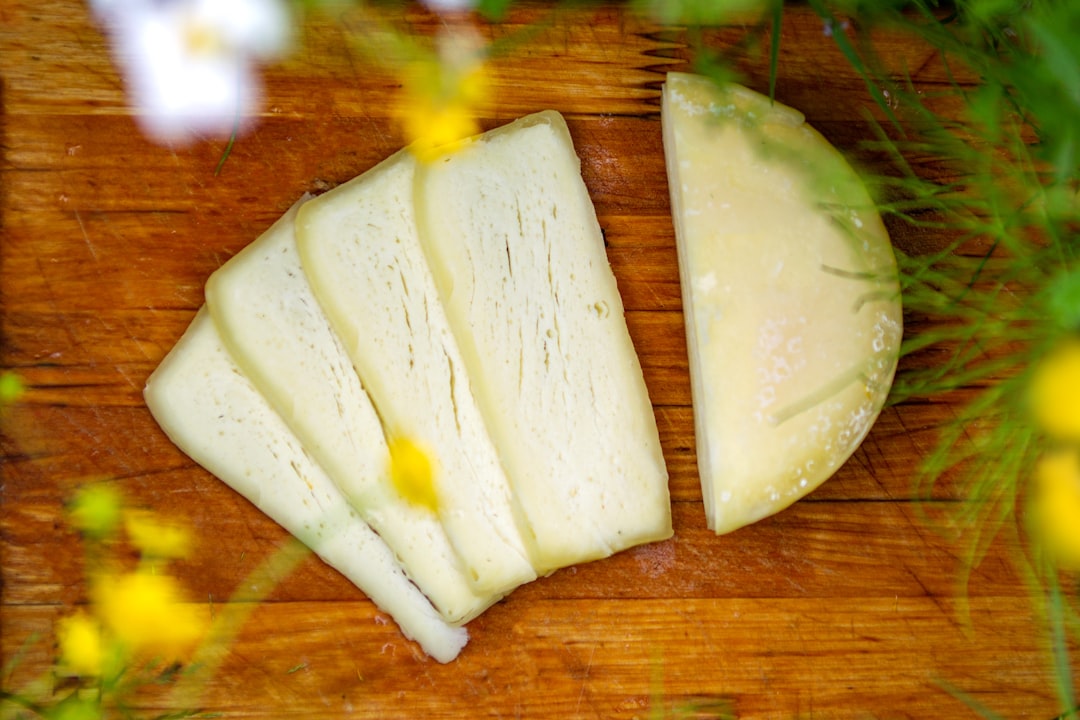
Vegan cheese slices
Rated by 11 diets
The diets react (see scores below)
Diet Ratings
Most vegan cheese contains 1-3g net carbs per slice and relies on vegetable oils for fat, but quality varies widely. Some brands use starches or added sugars; check labels carefully. Full-fat dairy cheese is preferred, but acceptable vegan options exist.
Strict keto practitioners avoid all vegan cheese due to processing, seed oil content, and potential inflammatory ingredients; they recommend full-fat dairy alternatives instead.
Plant-based and animal-free, but heavily processed with added oils, starches, and additives. Nutritionally inferior to whole foods. Technically vegan-compliant but not aligned with whole-food vegan principles.
Processed food made from plant-based ingredients, typically containing seed oils, starches, gums, and additives. Not available to Paleolithic humans and violates core paleo principles of whole, unprocessed foods.
Highly processed product with added oils, emulsifiers, and often saturated fats. Contradicts Mediterranean emphasis on whole foods and minimal processing. Lacks nutritional profile of traditional cheese.
Plant-based cheese made from vegetable oils and starches. Contains no animal products and violates core carnivore principle of exclusive animal consumption.
Vegan cheese is a processed food product designed to replicate dairy cheese. It typically contains additives, binders, and emulsifiers. Even if dairy-free, it violates the spirit of Whole30 by being an ultra-processed recreation of an excluded food.
Vegan cheese varies widely by brand and ingredients. Many contain garlic, onion, or inulin (fructan). Some brands use low-FODMAP bases (coconut, cashew) but additives are often problematic. Requires ingredient verification.
Monash University has not systematically tested most vegan cheese brands. Clinical practitioners recommend checking specific ingredient lists for garlic powder, onion powder, and inulin before approval.
Most vegan cheese slices are highly processed and contain 300-400mg sodium per serving. Often high in saturated fat from coconut or palm oil. Lacks the calcium and protein benefits of dairy cheese.
Highly processed with poor macro balance. Most vegan cheeses are high in carbs and low in protein relative to fat, making Zone ratios difficult. Often contain seed oils (omega-6 heavy). Requires precise portioning and pairing.
Typically contains refined vegetable oils (often high-omega-6 seed oils), saturated fat, sodium, and processed additives. Lacks the anti-inflammatory compounds of whole foods. Mimics inflammatory profile of conventional cheese without nutritional benefits.
Vegan cheese typically contains moderate to high fat (often 5-7g per slice) and lacks the protein density of dairy cheese. Most brands are ultra-processed with minimal nutritional value per calorie. Acceptable as occasional flavor addition but not a protein source.
Nutritional profile
Six traits that cut across every diet.
Fiber & Plants
How much whole-plant food and fiber it delivers.
Healthy Fats
The quality of its fats (unsaturated, omega-3).
Whole / Unprocessed
How close it is to its natural, unprocessed form.
Gut Gentle
How easy it is on digestion (low FODMAP, few irritants).
Low Glycemic
How little it spikes your blood sugar.
Protein Density
How much protein it packs per calorie.
Controversy Index
Score range: 1–5/10. Higher controversy = more disagreement between diets.
Diet-Specific Tips for Vegan cheese slices
 Keto — 5/10
- Net carbs 1-3g per slice
- Vegetable oil base (not ideal fat source)
- Highly processed
- Label-dependent quality
 Vegan — 5/10
- Highly processed
- Contains added oils and starches
- No animal products
- Convenience food
 Low-FODMAP — 5/10
- Brand-dependent formulation
- Garlic and onion powder common in flavored varieties
- Inulin used as fat replacer in some brands
- Cashew-based versions may be safer
 DASH — 5/10
- High sodium content (300-400mg per slice)
- Saturated fat from tropical oils
- Heavily processed
- Low nutritional density
 Zone — 5/10
- Processed food
- Seed oil content
- Unfavorable carb-to-protein ratio
- Requires careful portioning
 GLP-1 Friendly — 5/10
- Low protein density
- Moderate-to-high fat per serving
- Ultra-processed
- Works as condiment only