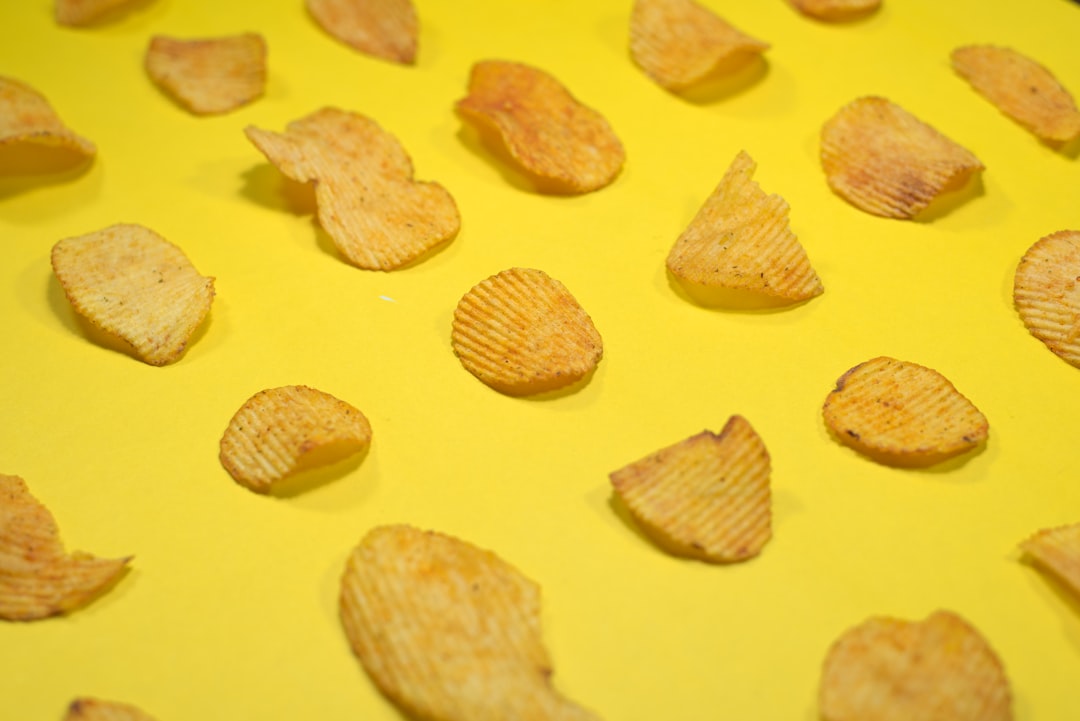
The diets react (see scores below)
Diet Ratings
Most commercial veggie chips are made from potato starch, tapioca, or vegetable purees with 12-15g net carbs per ounce. Processed grain-like product incompatible with keto.
Plant-based but heavily processed with added oils, salt, and often artificial flavors. May contain dairy-based seasonings or non-vegan additives depending on brand.
Processed snack made from vegetables but fried in seed oils (typically canola or soybean) and often contains added salt and additives. The processing and seed oil use violate paleo principles despite vegetable base.
Processed vegetable product often high in sodium and oil. While vegetable-based, the processing and frying method contradicts Mediterranean preference for whole vegetables. Better to consume fresh vegetables directly.
Some practitioners view veggie chips as acceptable occasional snacks if made with minimal processing and olive oil, particularly for those transitioning to Mediterranean diet.
Made from vegetables (plant-derived). Explicitly excluded from carnivore diet regardless of processing or frying method.
Veggie chips are a recreated junk food/snack that violates Whole30 spirit. They are processed, often contain added oils, salt, and starches, and mimic the texture/experience of forbidden chips.
Veggie chips vary widely by ingredient. Common vegetables used include potato, corn, and spinach (low-FODMAP), but many brands include onion powder, garlic powder, or high-FODMAP vegetables (beet, carrot in excess). Monash testing is limited for commercial veggie chip blends. Check ingredient labels carefully.
Monash University does not provide comprehensive testing on most commercial veggie chip brands. Clinical practitioners recommend checking ingredient lists for onion/garlic powder and limiting portions due to potential vegetable FODMAP content.
While vegetable-based, most commercial veggie chips are fried or baked with added oils, salt, and processing. Sodium typically 100-200mg per ounce. Less nutritious than whole vegetables. Acceptable occasionally but not a substitute for whole vegetables.
Often made from potato starch or cassava with added oils. High-glycemic carbs despite vegetable labeling. Difficult to portion into Zone blocks without exceeding carb limits.
Most commercial veggie chips are fried or baked with seed oils (sunflower, safflower, corn), which are high in pro-inflammatory omega-6 fatty acids. Often contain added salt and may include refined starches. Minimal vegetable content relative to oil. Whole vegetables are vastly superior.
Typically fried or baked with added oil (5-8g fat per serving), minimal protein (1-2g), moderate fiber (1-2g). Calorie-dense relative to satiety. Better than regular potato chips but not ideal for GLP-1 patients who need high protein density and low fat per serving.
Nutritional profile
Six traits that cut across every diet.
Fiber & Plants
How much whole-plant food and fiber it delivers.
Healthy Fats
The quality of its fats (unsaturated, omega-3).
Whole / Unprocessed
How close it is to its natural, unprocessed form.
Gut Gentle
How easy it is on digestion (low FODMAP, few irritants).
Low Glycemic
How little it spikes your blood sugar.
Protein Density
How much protein it packs per calorie.
Controversy Index
Score range: 1–5/10. Higher controversy = more disagreement between diets.
Diet-Specific Tips for Veggie chips
 Vegan — 5/10
- Heavily processed
- High sodium content
- Variable ingredient quality
- Some brands use dairy seasonings
 Mediterranean — 4/10
- processed vegetable product
- high sodium
- high oil content
- whole vegetables preferred
 Low-FODMAP — 5/10
- Ingredient variability across brands
- Onion and garlic powder are common additives
- Base vegetables may be low or high-FODMAP
- Limited Monash testing on blended products
 DASH — 4/10
- Sodium: 100-200mg per ounce
- Added oils increase saturated fat
- Processing reduces fiber
- Inferior to whole vegetables
 Zone — 4/10
- high-glycemic starch base
- minimal protein
- processed vegetable product
- portion control critical
 Anti-Inflammatory — 4/10
- seed oil content (omega-6)
- high sodium
- minimal whole vegetable benefit
- processed format
- refined starch base
 GLP-1 Friendly — 4/10
- moderate fat
- low protein
- low fiber
- calorie-dense
- processed