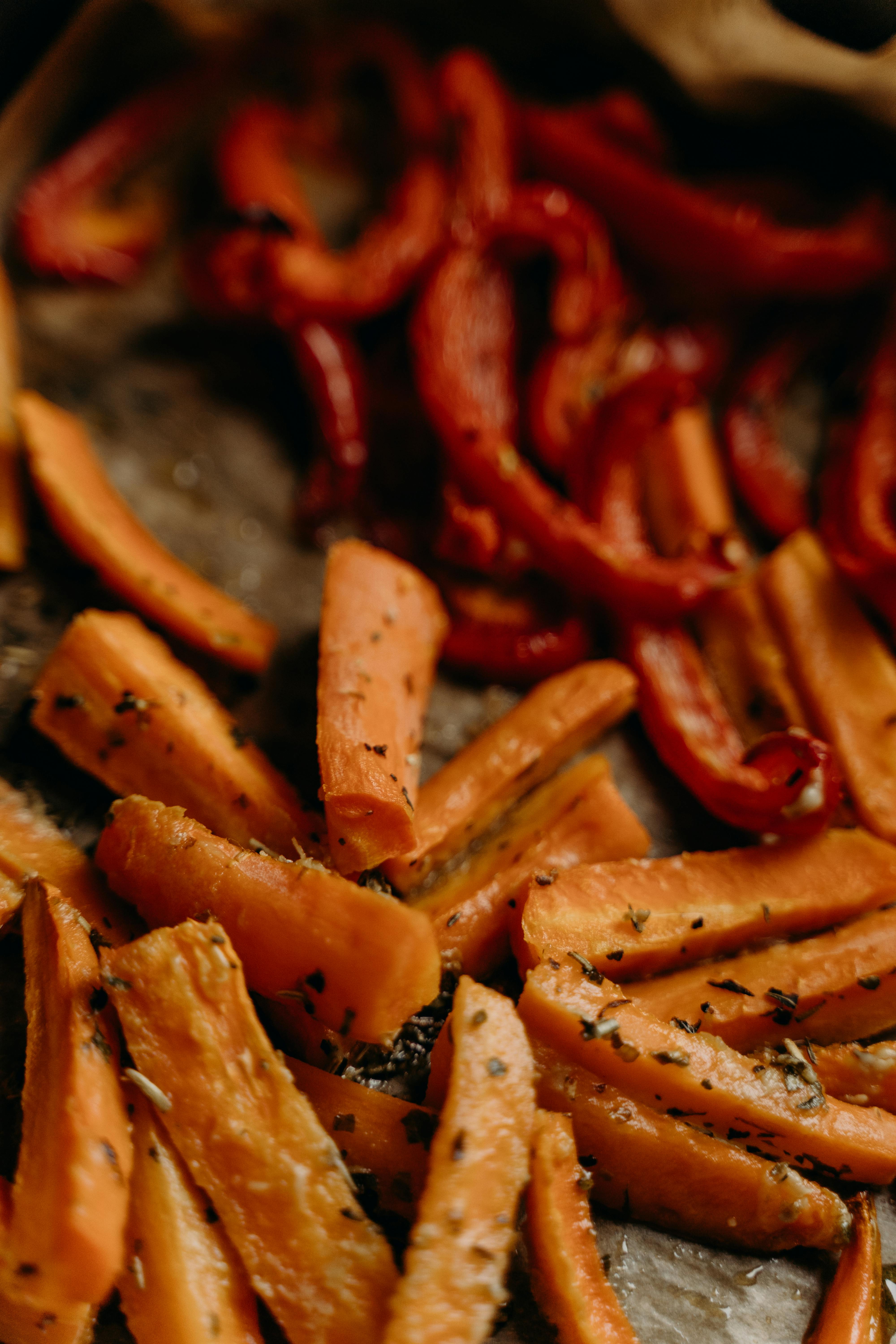
The diets react (see scores below)
Diet Ratings
Veggie straws are primarily potato starch and tapioca with vegetable powder for flavor. Contain 12-14g net carbs per ounce. Processed grain-equivalent incompatible with ketosis.
Plant-based but ultra-processed with minimal actual vegetable content. High in refined carbohydrates and sodium. Often contain artificial flavors and colors.
Processed snack made from vegetable purees, starches, and typically fried in seed oils. Contains added salt and additives. The processing and seed oil use violate paleo principles despite vegetable origin.
Highly processed snack with minimal vegetable content, often containing refined starches, oils, and sodium. Despite vegetable marketing, nutritionally similar to refined grain snacks. Contradicts Mediterranean whole food emphasis.
Made from vegetables and plant-derived starches. Explicitly excluded from carnivore diet regardless of processing or form.
Veggie straws are a recreated junk food/snack that explicitly violates Whole30 rules. The program prohibits straws, crackers, and similar processed snack foods, regardless of vegetable content.
Veggie straws are similar to veggie chips—ingredient variability is high. Many brands use potato starch with vegetable powders (spinach, tomato) and seasonings. Onion and garlic powder are common. Monash testing on commercial veggie straws is limited. Individual brand assessment is necessary.
Monash University does not provide comprehensive testing on most veggie straw brands. Clinical practitioners recommend label review for onion/garlic powder and limiting portions due to potential FODMAP additives.
Similar to veggie chips: primarily refined starch with vegetable powder for flavor. Sodium typically 100-200mg per ounce. Minimal fiber or nutrients compared to whole vegetables. Acceptable occasionally but not nutritionally equivalent to whole vegetables.
Primarily potato starch with minimal vegetable content. High-glycemic, minimal protein, fried in seed oils. Marketing as 'veggie' is misleading; nutritionally equivalent to potato chips.
Highly processed snack made from refined starches and seed oils. Minimal actual vegetable content (often <10%). High in omega-6 fatty acids from frying oils. High sodium. No fiber or meaningful antioxidants. Essentially a refined carbohydrate snack masquerading as healthy.
Baked snack with minimal nutritional value (no protein, 1-2g fiber, 4-6g fat per serving). Better than fried chips but still calorie-dense relative to satiety. Works as occasional crunch substitute but doesn't meet GLP-1 priorities (protein, fiber, low fat).
Nutritional profile
Six traits that cut across every diet.
Fiber & Plants
How much whole-plant food and fiber it delivers.
Healthy Fats
The quality of its fats (unsaturated, omega-3).
Whole / Unprocessed
How close it is to its natural, unprocessed form.
Gut Gentle
How easy it is on digestion (low FODMAP, few irritants).
Low Glycemic
How little it spikes your blood sugar.
Protein Density
How much protein it packs per calorie.
Controversy Index
Score range: 1–5/10. Higher controversy = more disagreement between diets.
Diet-Specific Tips for Veggie straws
 Vegan — 5/10
- Ultra-processed
- Minimal vegetable content
- High sodium
- Artificial additives common
 Low-FODMAP — 5/10
- Ingredient variability across brands
- Onion and garlic powder are common
- Vegetable powder content varies
- Limited Monash testing on blended products
 DASH — 4/10
- Sodium: 100-200mg per ounce
- Refined starch base
- Minimal fiber
- Vegetable powder only
 GLP-1 Friendly — 4/10
- low protein
- low fiber
- moderate fat
- calorie-dense
- processed