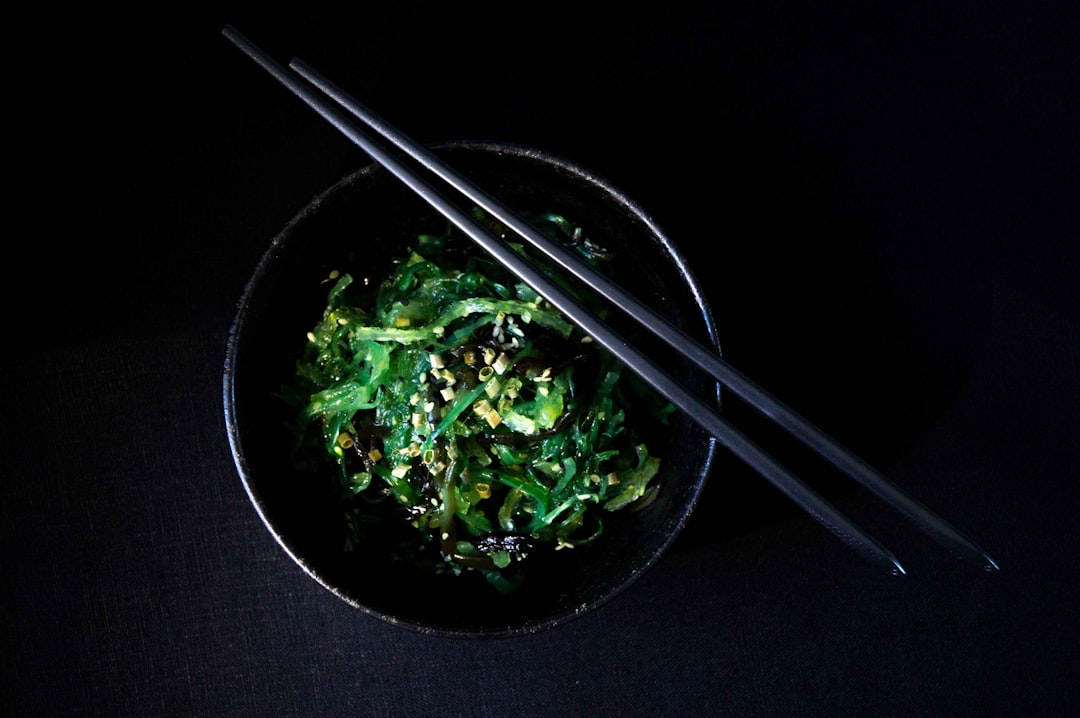
The diets react (see scores below)
Diet Ratings
Wakame (seaweed) is virtually carb-free (<1g net carbs per serving), mineral-rich, and provides umami flavor. Excellent keto-friendly addition to soups and salads with minimal impact on macros.
Edible seaweed, whole plant food. Rich in minerals, iodine, and trace nutrients. Fully plant-based. Minimal processing. Excellent nutritional density.
Edible seaweed available in ocean environments accessible to coastal Paleolithic populations. Whole, unprocessed food rich in minerals and nutrients. No additives in pure wakame form.
Sea vegetable with minerals and nutrients. Mediterranean diet includes seaweed consumption in some regions (Mediterranean seaweeds). Wakame is non-traditional but nutritionally compatible. Use as occasional ingredient acceptable.
Some Mediterranean diet purists argue for Mediterranean-origin seaweeds (dulse, sea lettuce) over Asian varieties, though nutritional profiles are similar.
Edible seaweed (marine algae). While from ocean, algae is plant-derived and violates carnivore exclusion of all plant foods.
Wakame is a sea vegetable (seaweed) that is whole, unprocessed, and contains no excluded ingredients. It is nutrient-dense and fully compliant with Whole30 guidelines. Commonly used in compliant cooking.
Wakame is a seaweed with minimal carbohydrate content and no fermentable oligosaccharides, disaccharides, monosaccharides, or polyols. Monash confirms seaweeds are low-FODMAP. Verify no added garlic or onion in seasoning.
Wakame seaweed is extremely high in sodium (872mg per 2g dry serving) and iodine. Excessive sodium directly contradicts DASH guidelines. Even small portions exceed recommended daily limits.
Seaweed with negligible carbs and calories, rich in minerals and polyphenols. Anti-inflammatory. Excellent low-glycemic vegetable substitute. Supports omega-3 profile. No macro disruption. Highly nutrient-dense.
Nutrient-dense sea vegetable rich in polyphenols, iodine, minerals, and fucoidan (anti-inflammatory compound). Low calorie, high micronutrient density. Supports thyroid function and provides unique anti-inflammatory compounds absent in land plants.
Wakame (seaweed) is extremely nutrient-dense with minimal calories, provides iodine, minerals, and fiber. Very low fat, easy to digest, works well in small portions (soups, salads). Supports hydration and satiety without GI burden.
Nutritional profile
Six traits that cut across every diet.
Fiber & Plants
How much whole-plant food and fiber it delivers.
Healthy Fats
The quality of its fats (unsaturated, omega-3).
Whole / Unprocessed
How close it is to its natural, unprocessed form.
Gut Gentle
How easy it is on digestion (low FODMAP, few irritants).
Low Glycemic
How little it spikes your blood sugar.
Protein Density
How much protein it packs per calorie.
Controversy Index
Score range: 2–9/10. Higher controversy = more disagreement between diets.
Diet-Specific Tips for Wakame
 Keto — 9/10
- <1g net carbs per serving
- Mineral-dense (iodine, magnesium)
- Whole food
- Minimal caloric impact
 Vegan — 9/10
- Whole food
- Rich in iodine
- Mineral-dense
- Minimal processing
- Sustainable harvesting concerns (minor)
 Paleo — 8/10
- Whole, unprocessed food
- Available to coastal hunter-gatherers
- Rich in minerals and iodine
- No processing required
 Mediterranean — 6/10
- Nutrient-dense
- Mineral-rich
- Non-Mediterranean origin
- Low calorie
- Iodine content
 Whole30 — 9/10
- Whole food
- Sea vegetable
- No additives
- Nutrient-dense
 Low-FODMAP — 9/10
- Seaweed is naturally low-FODMAP
- Minimal fermentable carbohydrates
- Check for added salt and seasonings
- No portion restrictions
 Zone — 9/10
- Negligible carbs
- Mineral-rich
- Polyphenol content
- Anti-inflammatory
- Supports omega-3 balance
 Anti-Inflammatory — 8/10
- fucoidan (anti-inflammatory)
- polyphenols
- iodine and minerals
- low calorie density
- unique phytonutrients
 GLP-1 Friendly — 8/10
- Nutrient-dense per calorie
- High fiber
- Low fat
- Mineral-rich
- Easy to digest
- Hydration support