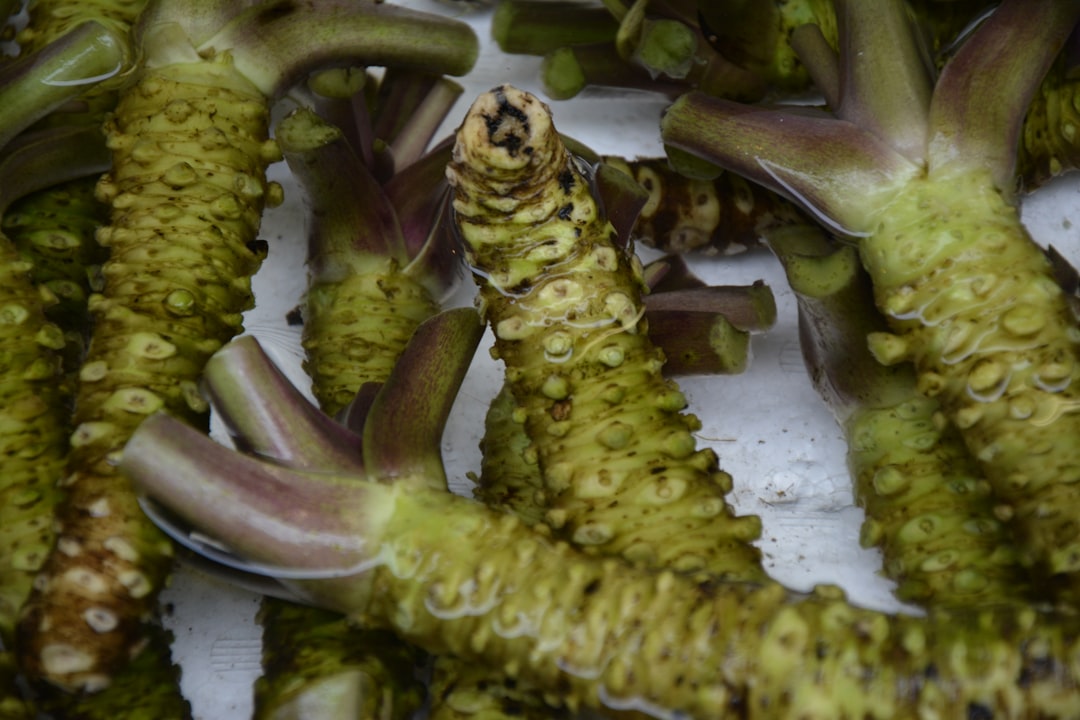
The diets react (see scores below)
Diet Ratings
Pure wasabi is essentially zero carb, made from wasabi root with minimal additives. Provides flavor without carb impact. Most commercial wasabi pastes contain some fillers but remain very low carb.
Pure wasabi is a plant-based condiment made from the wasabi root. Whole food ingredient with no animal products or derivatives.
Wasabi is a root vegetable (Wasabia japonica) with no grains, legumes, dairy, or seed oils. Pure wasabi is unprocessed and available to hunter-gatherers. Commercial wasabi paste may contain additives, but pure wasabi root is paleo-compliant.
Wasabi is a pungent condiment made from horseradish root with minimal processing, no added sugars, and no unhealthy fats. It adds flavor without calories and aligns with Mediterranean principles of using herbs and spices for taste.
Wasabi is a plant-derived condiment made from the wasabi root. It contains plant compounds and is not an animal product, violating core carnivore principles.
Pure wasabi is a root vegetable condiment with no excluded ingredients. It's a whole, unprocessed spice/vegetable product.
Pure wasabi (horseradish) is low-FODMAP. Monash has tested horseradish and confirmed low-FODMAP status at typical serving sizes. Most commercial wasabi products are low-FODMAP unless they contain added garlic or onion.
Wasabi is a low-sodium, low-calorie condiment made from horseradish root. Contains negligible sodium, no added sugars, and provides phytonutrients. Excellent for flavoring without compromising DASH principles.
Pure wasabi is essentially a spice with negligible carbs, protein, and fat. Adds flavor without macronutrient disruption. Anti-inflammatory properties from isothiocyanates.
Wasabi is a cruciferous rhizome with potent anti-inflammatory compounds including isothiocyanates and glucosinolates. Contains minimal calories and no inflammatory ingredients. Supports the anti-inflammatory emphasis on pungent spices and herbs.
Wasabi is very spicy and may trigger reflux, nausea, or GI distress in GLP-1 patients with sensitive stomachs. However, it contains negligible calories and no problematic macronutrients, making it acceptable in very small amounts as a condiment for those who tolerate spice well.
Some GLP-1 RDs recommend avoiding all very spicy condiments due to reflux risk; others note that individual tolerance varies widely and small amounts of wasabi with sushi or fish are unlikely to cause problems if the patient has no baseline reflux.
Nutritional profile
Six traits that cut across every diet.
Fiber & Plants
How much whole-plant food and fiber it delivers.
Healthy Fats
The quality of its fats (unsaturated, omega-3).
Whole / Unprocessed
How close it is to its natural, unprocessed form.
Gut Gentle
How easy it is on digestion (low FODMAP, few irritants).
Low Glycemic
How little it spikes your blood sugar.
Protein Density
How much protein it packs per calorie.
Controversy Index
Score range: 2–9/10. Higher controversy = more disagreement between diets.
Diet-Specific Tips for Wasabi
 Keto — 9/10
- Near-zero net carbs per serving
- No sugar
- Minimal calories
- Pure spice/condiment
 Vegan — 9/10
- Plant-based root vegetable
- Minimal processing
- No animal ingredients
 Paleo — 9/10
- Root vegetable
- Unprocessed when pure
- No anti-nutrients
- Check commercial versions for additives
 Mediterranean — 8/10
- Minimal processing
- No added sugars
- Flavor-enhancing condiment
- Low calorie
 Whole30 — 9/10
- Whole vegetable product
- No added sugar or excluded ingredients
- Common Whole30 condiment
 Low-FODMAP — 8/10
- Pure horseradish base is low-FODMAP
- Check ingredient list for garlic/onion additives
- Standard serving size is small (1-2 tsp)
 DASH — 9/10
- Minimal sodium (<50mg per teaspoon)
- No added sugars
- Phytonutrient-rich
- Zero saturated fat
 Zone — 9/10
- Zero meaningful macronutrients
- Spice-based condiment
- No glycemic impact
- Anti-inflammatory compounds
 Anti-Inflammatory — 8/10
- Isothiocyanates with anti-inflammatory properties
- Glucosinolates support detoxification
- Zero added sugars or inflammatory additives
- Pungent spice category emphasized in anti-inflammatory diet
 GLP-1 Friendly — 5/10
- Very spicy — may worsen reflux/nausea
- Negligible calories and macronutrients
- Used in tiny amounts
- Individual tolerance varies significantly