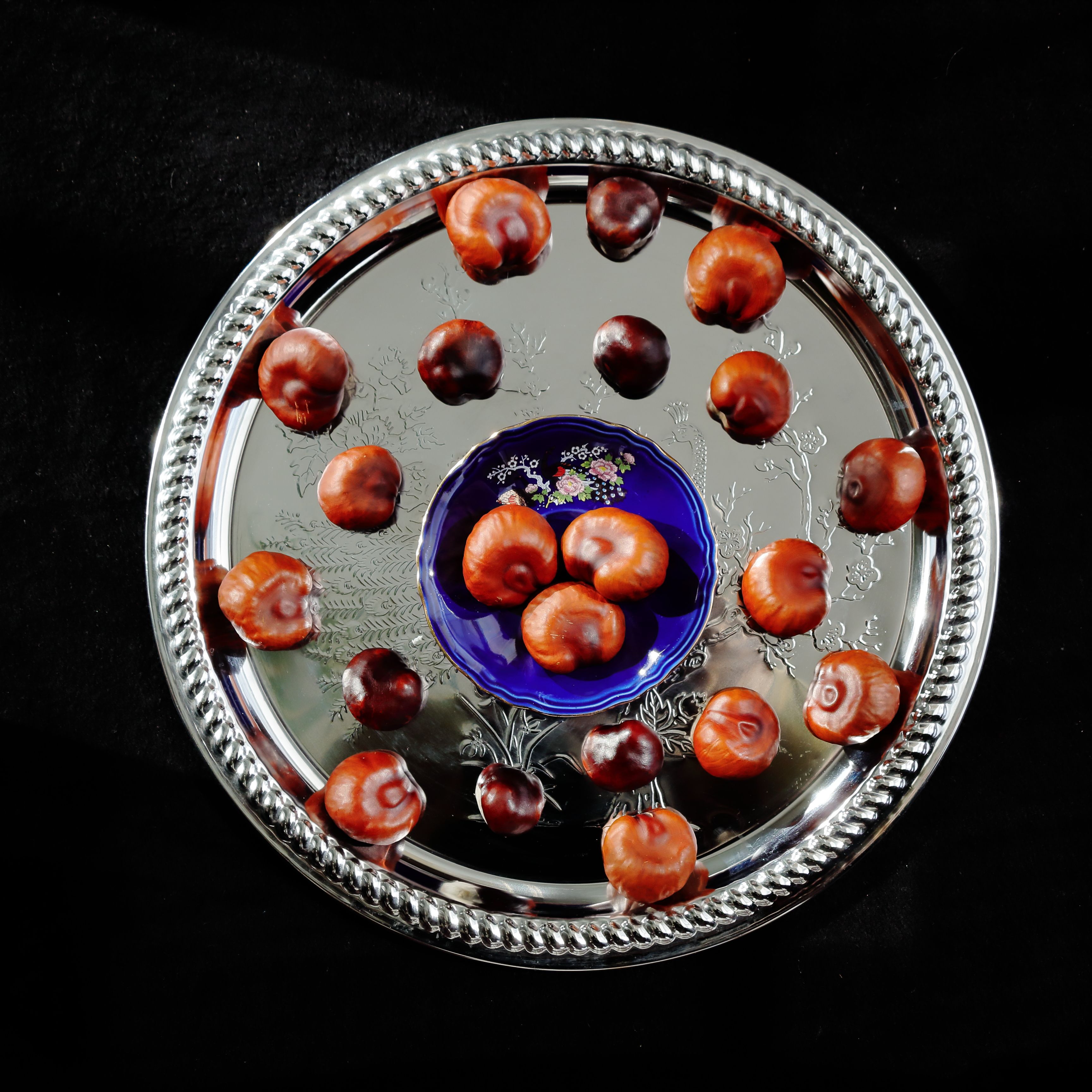
The diets react (see scores below)
Diet Ratings
Contains ~7g net carbs per 100g, moderate carb density. Small portions (30-50g) can fit within daily limits, but regular consumption requires careful tracking. Borderline compatibility.
Strict keto practitioners avoid water chestnuts entirely due to carb content, while flexible keto allows small measured portions as occasional vegetable additions.
Whole plant aquatic vegetable with good carbohydrate and fiber content. Minimally processed and fully vegan-compliant.
Water chestnuts are aquatic tubers with moderate starch content. Generally acceptable in paleo but higher carb profile than non-starchy vegetables. Portion control recommended.
Strict paleo practitioners may exclude water chestnuts due to higher starch content and limited availability to Paleolithic humans. Some paleo authorities treat them similarly to white potatoes—acceptable in moderation but not emphasized.
Starchy vegetable with moderate carbohydrate content. Often canned with added sodium. While a whole plant food, higher glycemic impact and non-traditional Mediterranean ingredient.
Some modern Mediterranean diet interpretations accept water chestnuts as vegetable options, though they lack historical presence in Mediterranean regions.
Aquatic plant tuber, plant-derived. Explicitly excluded from carnivore diet. Contains plant compounds and carbohydrates.
Whole vegetable aquatic plant, no excluded ingredients. Fully compliant.
Water chestnuts contain moderate amounts of fructans and polyols. Monash data suggests caution at portions above 75g. High carbohydrate density relative to serving size creates FODMAP concern.
Monash University testing on water chestnuts is limited; some sources suggest low-FODMAP status at small portions, while others flag fructan content. Clinical practitioners recommend strict portion control (max 75g) or avoidance during elimination phase.
Low-sodium starchy vegetable with fiber, potassium, and vitamin B6. Supports DASH vegetable and whole-food carbohydrate intake. Minimal processing when fresh or canned in water.
Water chestnuts contain moderate carbs (approximately 9.6g carbs per 100g raw). Higher glycemic than leafy/cruciferous vegetables but lower than starchy roots. Counts toward vegetable servings but requires portion control. Less ideal than colorful, lower-carb vegetable options.
Some Zone practitioners accept water chestnuts as acceptable vegetable if portioned as 1/2 cup cooked ≈ 1 carb block. Depends on overall meal carb allocation.
Water chestnuts are relatively high in carbohydrates with moderate fiber. While they contain some polyphenols and antioxidants, they lack the potent anti-inflammatory compounds of cruciferous or deeply colored vegetables. Acceptable in moderation as part of diverse vegetable intake but not a priority anti-inflammatory food.
Some traditional medicine systems value water chestnuts for cooling properties and digestive support, though modern anti-inflammatory research is limited.
Low calorie (30 cal per cup raw), high water content (74%), minimal fat, but low fiber (1.8g per cup) and low protein (0.6g per cup). Crunchy texture aids satiety. Carbohydrate content is moderate (7.6g per cup). Acceptable as textural component in meals but should not be primary vegetable; pair with higher-fiber, higher-protein foods.
Some RDs appreciate water chestnuts for their low calorie density and hydration support. Others note the low fiber and protein make them less ideal than alternatives like bamboo shoots or daikon radish for GLP-1 patients.
Nutritional profile
Six traits that cut across every diet.
Fiber & Plants
How much whole-plant food and fiber it delivers.
Healthy Fats
The quality of its fats (unsaturated, omega-3).
Whole / Unprocessed
How close it is to its natural, unprocessed form.
Gut Gentle
How easy it is on digestion (low FODMAP, few irritants).
Low Glycemic
How little it spikes your blood sugar.
Protein Density
How much protein it packs per calorie.
Controversy Index
Score range: 1–10/10. Higher controversy = more disagreement between diets.
Diet-Specific Tips for Water chestnuts
 Keto — 5/10
- moderate net carbs
- portion-dependent
- carb tracking required
- occasional use acceptable
 Vegan — 9/10
- Whole plant food
- Good carbohydrate source
- Minimal processing
- Versatile use
 Paleo — 6/10
- Aquatic tuber with moderate starch
- Higher carb than non-starchy vegetables
- Unprocessed
- Limited Paleolithic availability
 Mediterranean — 6/10
- Starchy vegetable
- Sodium content variable
- Non-traditional ingredient
- Moderate fiber
 Whole30 — 10/10
- Whole vegetable
- No excluded ingredients
 Low-FODMAP — 4/10
- Moderate fructan content
- Polyol presence
- High carbohydrate density
 DASH — 8/10
- Low sodium
- Good fiber
- Potassium-rich
- Vitamin B6
- Choose canned in water
 Zone — 5/10
- Moderate carb content
- Requires portion control
- Less nutrient-dense than colorful vegetables
- Useful for texture in meals
 Anti-Inflammatory — 5/10
- Moderate carbohydrate content
- Modest polyphenol content
- Limited anti-inflammatory research
- Acceptable as part of vegetable diversity
 GLP-1 Friendly — 5/10
- low calorie
- high water content
- minimal fat
- low fiber
- low protein
- crunchy texture