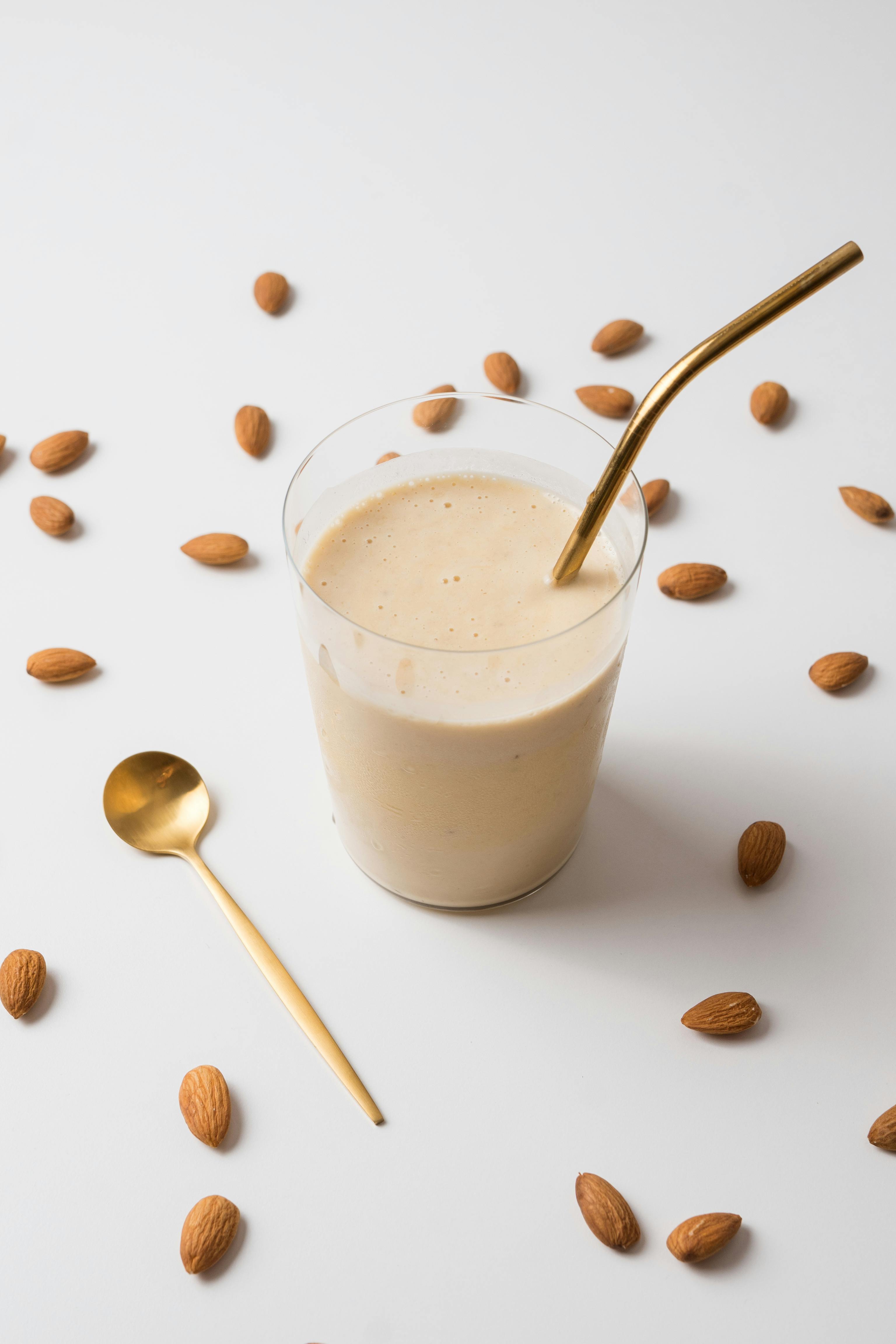
The diets react (see scores below)
Diet Ratings
Whey protein shakes vary widely: unflavored whey isolate has ~1g net carbs per scoop, but flavored commercial shakes often contain 5-15g net carbs due to added sugars and thickeners. Depends heavily on product selection.
Some keto practitioners prefer whole-food protein sources and avoid shakes entirely due to processing and potential hidden carbs, while mainstream keto accepts quality isolates with minimal carbs.
Whey is a dairy byproduct derived from milk. Explicitly excluded from vegan diet.
Whey protein is a processed dairy derivative. While paleo excludes dairy, whey isolate is heavily processed and removes most lactose/casein. Some paleo practitioners accept it as a supplement; others reject all dairy derivatives.
Strict Cordain-school paleo excludes all dairy products and derivatives. Modern paleo practitioners (Sisson, Whole30) often accept whey protein isolate as a processed supplement distinct from whole dairy, though this contradicts the 'unprocessed' philosophy.
Whey protein shakes are processed supplements not traditionally Mediterranean. While protein is important, Mediterranean diet emphasizes whole food sources (fish, legumes, nuts, dairy). Acceptable occasionally but not a staple replacement for whole foods.
Some modern Mediterranean diet practitioners accept whey protein shakes as convenient post-exercise nutrition, particularly for athletes, when whole foods aren't immediately available.
Whey protein is animal-derived (dairy byproduct) and widely consumed by carnivore practitioners. However, most commercial protein shakes contain additives, sweeteners, and fillers. Pure whey isolate with minimal processing is acceptable; flavored versions with artificial ingredients are problematic.
Strict carnivore practitioners question processed protein powders, preferring whole animal foods (meat, eggs, dairy) for complete nutrient profiles. Some 'Lion Diet' adherents exclude all dairy products, including whey. Others argue whole food sources are superior to isolated proteins.
Whey protein powder is a processed supplement, not a whole food. Most commercial varieties also contain added sugar, artificial sweeteners, or other excluded ingredients. Even unflavored whey is processed beyond Whole30 standards.
Plain whey protein isolate is low-FODMAP. However, most commercial protein shakes contain added ingredients (sweeteners, flavorings, thickeners) that may be high-FODMAP. Monash testing is limited on complete shake products.
Monash University confirms whey protein isolate is low-FODMAP, but most ready-to-drink or powder formulations contain high-FODMAP additives (honey, inulin, sugar alcohols, artificial sweeteners). Clinical practitioners recommend checking ingredient labels carefully.
Whey protein is lean protein source (DASH-approved), but commercial shakes often contain added sugar (10-25g), sodium (200-400mg), and artificial ingredients. Homemade shakes with unsweetened whey are better. Acceptable if low-sodium and low-sugar.
Whey isolate ≈ 25g protein, 1-2g carbs, 1-2g fat per scoop. Excellent protein source but requires careful pairing with carbs and fats to hit 40/30/30. Macro-balancing is essential; shake alone is protein-heavy.
Whey protein is a lean protein source but often contains added sugars, artificial sweeteners, and additives depending on formulation. Quality matters significantly. Whole food protein sources are preferred in anti-inflammatory diet.
Some sports nutrition and mainstream authorities view whey protein as acceptable post-workout. However, Weil's framework emphasizes whole foods and plant-based proteins (legumes, tofu) over isolated protein powders.
Whey protein shakes are essential for GLP-1 patients to meet 100-120g daily protein target. High protein density (20-30g per serving), low fat if unflavored or low-fat, easy to digest, nutrient-dense per calorie. Commonly recommended by obesity medicine physicians.
Nutritional profile
Six traits that cut across every diet.
Fiber & Plants
How much whole-plant food and fiber it delivers.
Healthy Fats
The quality of its fats (unsaturated, omega-3).
Whole / Unprocessed
How close it is to its natural, unprocessed form.
Gut Gentle
How easy it is on digestion (low FODMAP, few irritants).
Low Glycemic
How little it spikes your blood sugar.
Protein Density
How much protein it packs per calorie.
Controversy Index
Score range: 1–9/10. Higher controversy = more disagreement between diets.
Diet-Specific Tips for Protein shake (whey)
 Keto — 6/10
- 1-15g net carbs (product-dependent)
- High protein content (beneficial)
- Requires careful product selection
- Processing concerns for some
 Paleo — 5/10
- Dairy derivative
- Heavily processed
- Lactose/casein mostly removed
- Supplement vs. food
 Mediterranean — 5/10
- Processed supplement
- Not whole food source
- Convenient but not traditional
- Depends on added sugars/ingredients
 Carnivore — 6/10
- Animal-derived (dairy)
- Often contains additives and sweeteners
- Processing level varies by product
- Dairy debate within carnivore community
 Low-FODMAP — 6/10
- Whey protein isolate itself is low-FODMAP
- Added sweeteners (honey, sorbitol, xylitol) are high-FODMAP
- Thickeners and flavorings may contain FODMAPs
- Ingredient label review is essential
 DASH — 6/10
- Lean protein source
- Often high in added sugar
- 200-400mg sodium (commercial)
- Artificial sweeteners/flavors common
 Zone — 6/10
- Lean protein source
- Low carb (isolate)
- Requires macro-balancing
- Portion-dependent
 Anti-Inflammatory — 5/10
- Processed food
- Variable sugar content
- Artificial additives common
- Isolated protein vs. whole food
- Quality-dependent
 GLP-1 Friendly — 9/10
- high protein density
- meets daily protein target
- easy to digest
- convenient
- low fat if unflavored
- nutrient-dense per calorie