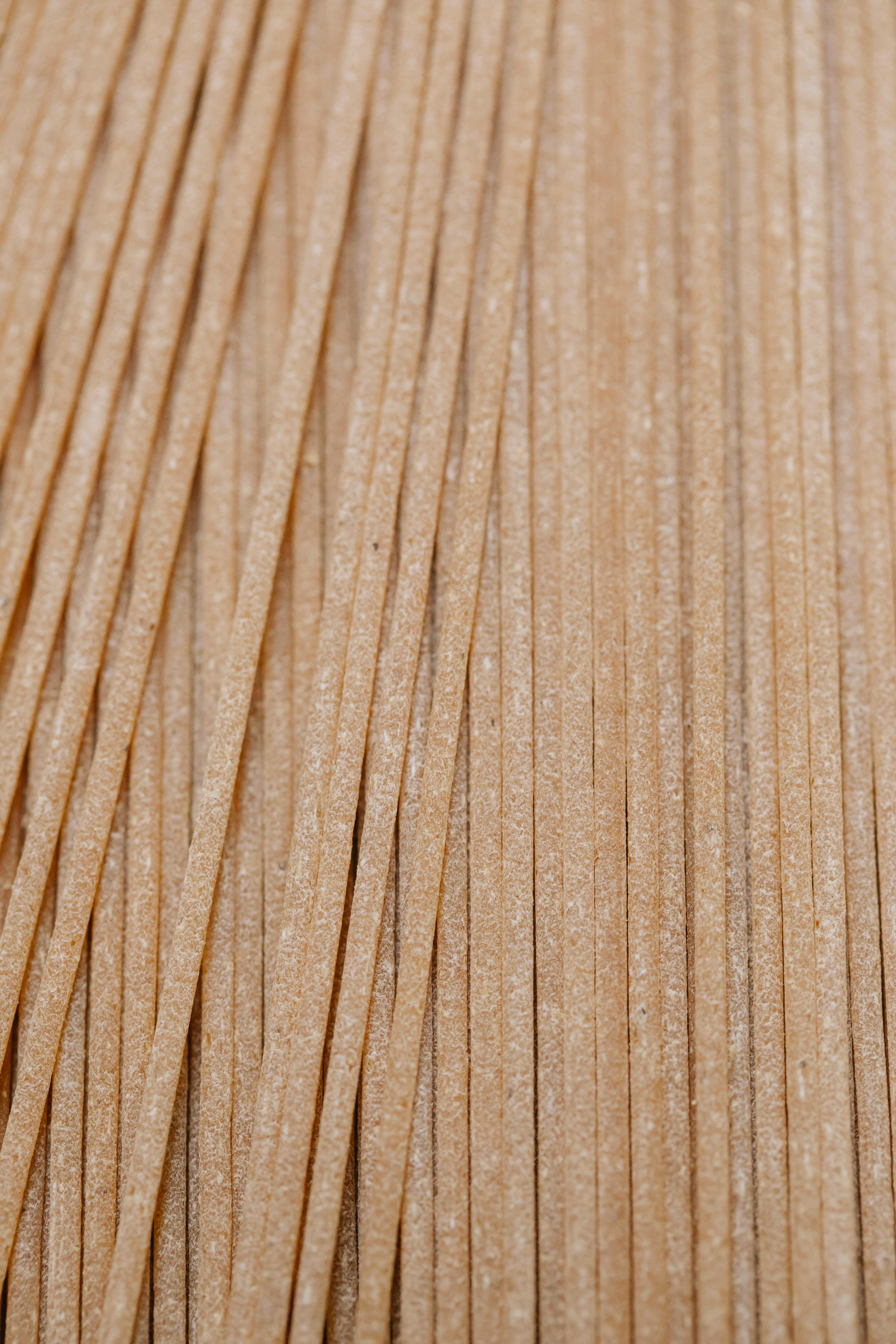
The diets react (see scores below)
Diet Ratings
Whole wheat pasta contains ~30g net carbs per 100g cooked. Despite being 'whole grain,' it remains a grain product with carb density far exceeding keto limits. No meaningful portion exists that fits ketogenic macros.
Plant-based grain product with no animal products or derivatives. Whole grain variety provides superior nutrition. Minimal processing.
Whole wheat pasta is a processed grain product containing gluten and high levels of anti-nutrients. It is explicitly excluded from paleo diets with universal consensus across all paleo authorities.
Whole wheat pasta retains the bran and germ, providing more fiber and nutrients than refined pasta. It is a staple in Mediterranean regions and supports the whole grain principle.
Plant-derived grain product. Processed plant food with high carbohydrate content. Completely excluded from carnivore diet.
Pasta is explicitly excluded from Whole30. Wheat is a grain and also excluded. Additionally, pasta violates the 'no recreating junk food' rule. Not compliant.
Whole wheat pasta is high in fructans due to wheat content. Monash University rates wheat-based products as high-FODMAP during elimination phase.
Whole grain source of fiber, magnesium, and potassium. Core DASH grain. Low sodium in plain form; watch sodium in sauces.
Moderate glycemic index (~42-50). Contains ~37g carbs per cooked cup, requiring portion control (~1/2 cup per Zone meal). Whole grain provides fiber advantage over refined pasta. Zone protocol limits grains; better choices exist for carb blocks.
Whole grain pasta retains bran and germ with fiber, B vitamins, and minerals. Better glycemic profile than refined pasta. Aligns with Weil's whole grain emphasis.
Better than refined pasta due to higher fiber (6g per 100g cooked) and slightly more protein (3.6g per 100g cooked), but still calorie-dense and low in absolute protein. Portion control critical. Best paired with high-protein sauce or protein source.
Nutritional profile
Six traits that cut across every diet.
Fiber & Plants
How much whole-plant food and fiber it delivers.
Healthy Fats
The quality of its fats (unsaturated, omega-3).
Whole / Unprocessed
How close it is to its natural, unprocessed form.
Gut Gentle
How easy it is on digestion (low FODMAP, few irritants).
Low Glycemic
How little it spikes your blood sugar.
Protein Density
How much protein it packs per calorie.
Controversy Index
Score range: 1–8/10. Higher controversy = more disagreement between diets.
Diet-Specific Tips for Whole wheat pasta
 Vegan — 8/10
- whole grain
- plant-based
- fiber-rich
- minimal additives
 Mediterranean — 8/10
- Whole grain composition
- Higher fiber content
- Traditional Mediterranean staple
- Better glycemic response
 DASH — 8/10
- Whole grain
- High fiber
- Good magnesium content
- Low sodium base
 Zone — 5/10
- Moderate glycemic index
- High carb density
- Whole grain benefit
- Portion control essential
 Anti-Inflammatory — 8/10
- whole grain
- fiber
- B vitamins
- lower glycemic index
 GLP-1 Friendly — 5/10
- moderate fiber
- low protein
- calorie-dense
- portion-sensitive
- requires pairing with protein