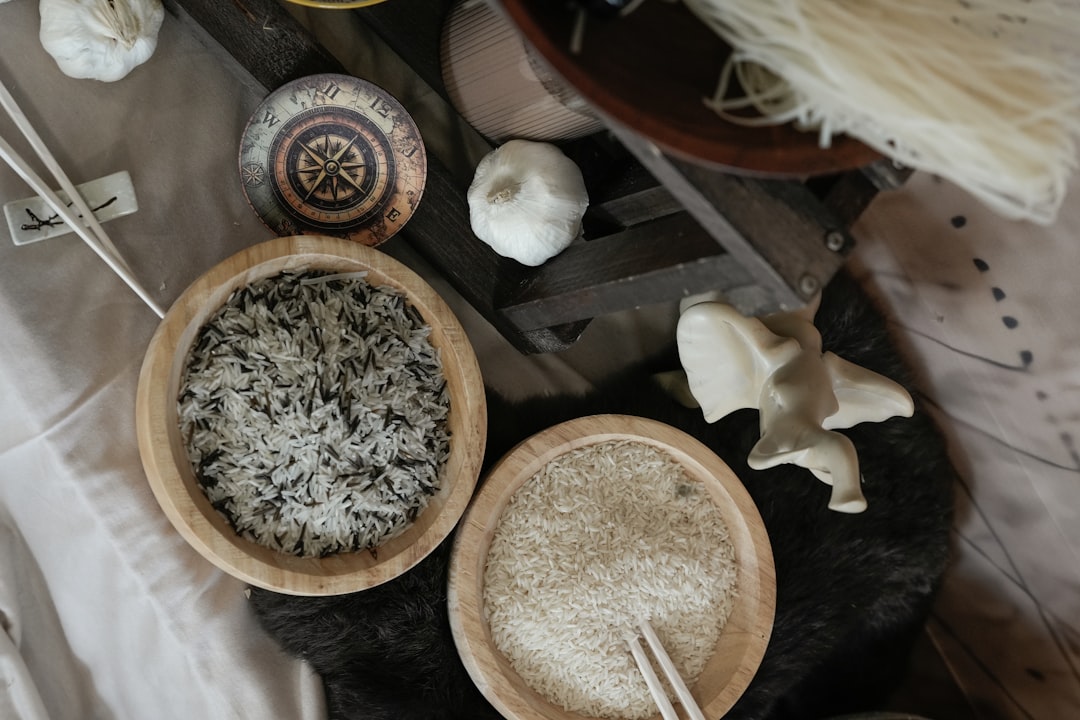
The diets react (see scores below)
Diet Ratings
Wild rice contains approximately 35g net carbs per 100g cooked. Despite 'wild' branding, it is a grain with high carbohydrate density. Incompatible with ketosis.
Whole grain with no animal products or derivatives. Unprocessed and naturally vegan. Excellent plant protein source.
Wild rice is a grain (technically a grass seed) and explicitly excluded from paleo diet. Despite being less processed than white rice, it remains a grain with anti-nutrients (lectins, phytic acid) that paleo avoids.
Whole grain with superior fiber, protein, and micronutrient profile compared to refined grains. Aligns with Mediterranean emphasis on whole grains as dietary staple.
Plant-derived grain product. Carnivore diet excludes all grains and plant foods. Wild rice is plant-based despite being a whole grain with higher protein than white rice.
Despite its name, wild rice is a grain and is explicitly excluded from Whole30. All rice varieties, including wild rice, are non-compliant.
Wild rice is low in FODMAPs at standard serving sizes. Monash University has tested and confirmed low-FODMAP status. Contains minimal fructans and no GOS, lactose, or polyol content.
Whole grain with superior nutrient profile vs. white rice. Rich in fiber, protein, magnesium, and potassium. Low sodium when prepared without added salt. Excellent DASH grain choice.
Lower glycemic index than white/brown rice (~45) with more fiber and protein. However, still higher glycemic than Zone-preferred carbs. Usable as occasional whole grain serving with careful portioning.
Whole grain with superior polyphenol content compared to white or brown rice, higher fiber, and lower glycemic index. Contains lignans and other anti-inflammatory compounds.
Better than white rice: higher protein (6.3g per 100g cooked), higher fiber (3.5g per 100g cooked), lower glycemic index. However, still calorie-dense (101 cal per 100g cooked) and requires large volume to feel satisfying. Best used in small portions as side with high-protein main dish, not as primary component.
Some RDs recommend wild rice as acceptable whole grain for GLP-1 patients due to superior fiber/protein profile vs. refined grains; others suggest that even whole grains displace limited calorie budget better spent on vegetables and protein, especially early in GLP-1 therapy.
Nutritional profile
Six traits that cut across every diet.
Fiber & Plants
How much whole-plant food and fiber it delivers.
Healthy Fats
The quality of its fats (unsaturated, omega-3).
Whole / Unprocessed
How close it is to its natural, unprocessed form.
Gut Gentle
How easy it is on digestion (low FODMAP, few irritants).
Low Glycemic
How little it spikes your blood sugar.
Protein Density
How much protein it packs per calorie.
Controversy Index
Score range: 1–10/10. Higher controversy = more disagreement between diets.
Diet-Specific Tips for Wild rice
 Vegan — 10/10
- 100% plant-based
- Whole grain
- No processing
- Good protein content
 Mediterranean — 8/10
- Whole grain product
- High fiber content
- Complete protein profile
- Minimal processing
 Low-FODMAP — 8/10
- Low fructan content
- No GOS content
- Standard serving 1 cup cooked is safe
 DASH — 8/10
- Whole grain status
- High fiber content
- Plant-based protein
- Rich in magnesium and potassium
 Zone — 5/10
- Lower glycemic than refined grains
- Higher fiber and protein content
- Still moderate glycemic load
- Requires portion control
 Anti-Inflammatory — 8/10
- whole grain
- polyphenols
- lignans
- fiber
- lower glycemic index
 GLP-1 Friendly — 6/10
- higher protein than white rice
- good fiber
- lower glycemic index
- calorie-dense
- requires large volume for satiety