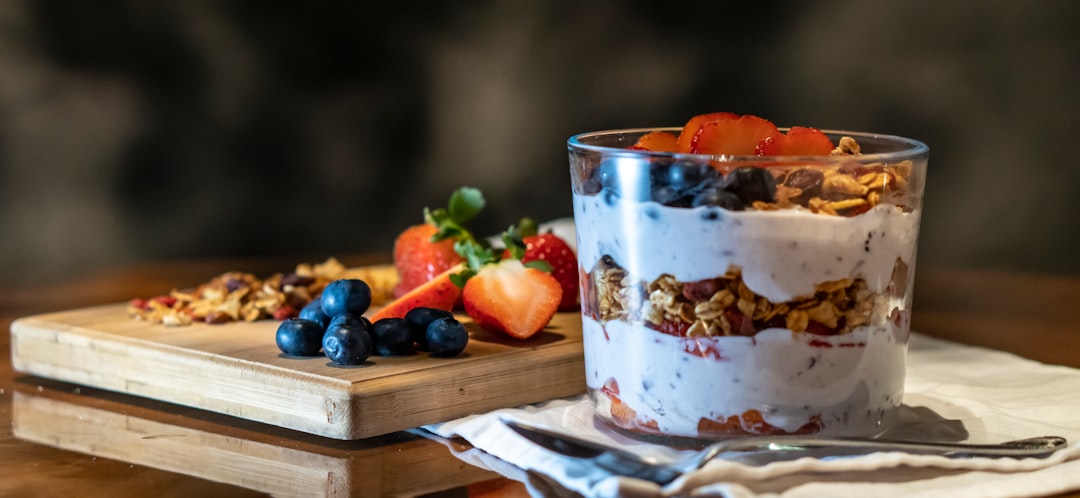
The diets react (see scores below)
Diet Ratings
Yogurt parfaits typically layer sweetened yogurt, granola, and fruit, totaling 30-50g net carbs per serving. Granola alone is grain-based and high-carb. Completely incompatible with keto.
Yogurt is a dairy product. Parfaits typically layer yogurt with other ingredients, making the entire dish non-vegan.
Yogurt parfait contains dairy yogurt, added sugars, and often grains (granola) or processed ingredients. Violates paleo on multiple counts: dairy, refined sugar, and processing.
Depends heavily on composition. Plain yogurt with fresh fruit and nuts is acceptable; with granola, added sugars, and sweetened layers it becomes problematic. Mediterranean diet supports yogurt with whole foods, not processed layered desserts.
Some Mediterranean diet practitioners accept yogurt parfaits made with plain yogurt, fresh fruit, and minimal honey as acceptable occasional treats, particularly in Greek traditions where yogurt is central.
Yogurt parfaits contain yogurt (debated dairy), but critically include granola, fruits, honey, and sweeteners—all plant-derived. Multiple violations of carnivore principles.
Yogurt parfait contains yogurt (dairy, excluded) and typically includes granola or other grains (excluded) plus added sugar. Multiple violations.
Yogurt parfait depends on components: yogurt type, granola, fruit, and sweeteners. Plain full-fat yogurt is low-FODMAP in small amounts, but granola often contains high-FODMAP ingredients (wheat, honey, dried fruit with excess fructose). Overall FODMAP status is highly variable.
Monash University rates plain full-fat yogurt as low-FODMAP at 200g, but most commercial parfaits exceed this and include high-FODMAP toppings. Clinical practitioners recommend building custom low-FODMAP parfaits with tested components only.
Depends heavily on composition. If made with plain low-fat yogurt, fresh fruit, and minimal added sugar/granola, it aligns with DASH. If commercial with added sugars and full-fat yogurt, it becomes problematic.
Typically combines flavored yogurt (high sugar), granola (high-glycemic carbs), and sweetened fruit. Total sugar often 30-40g per serving. Violates Zone carb quality across all components.
Depends heavily on composition. If made with plain Greek yogurt, berries, and nuts, it can be anti-inflammatory. If commercial with flavored yogurt, granola, and added sugars, it becomes pro-inflammatory. Requires careful ingredient selection.
Some nutritionists consider well-composed yogurt parfaits (plain yogurt + berries + nuts) as excellent anti-inflammatory snacks due to probiotics, antioxidants, and omega-3s. The verdict depends entirely on specific ingredients used.
Depends heavily on composition. If made with plain yogurt, fresh fruit, and nuts, it can be approve-worthy (protein, fiber, micronutrients). If made with flavored yogurt, granola, and honey, it's high in sugar and fat. Typical store-bought versions are sugar-heavy. Portion control is critical — parfaits are easy to overeat despite reduced appetite.
Some RDs recommend yogurt parfaits as a balanced meal if carefully constructed (plain yogurt + berries + almonds). Others caution that the layered, indulgent nature of parfaits can trigger psychological overeating patterns and recommend simpler, more transparent food combinations.
Nutritional profile
Six traits that cut across every diet.
Fiber & Plants
How much whole-plant food and fiber it delivers.
Healthy Fats
The quality of its fats (unsaturated, omega-3).
Whole / Unprocessed
How close it is to its natural, unprocessed form.
Gut Gentle
How easy it is on digestion (low FODMAP, few irritants).
Low Glycemic
How little it spikes your blood sugar.
Protein Density
How much protein it packs per calorie.
Controversy Index
Score range: 1–5/10. Higher controversy = more disagreement between diets.
Diet-Specific Tips for Yogurt parfait
 Mediterranean — 5/10
- Composition-dependent
- Added sugars in many commercial versions
- Plain yogurt base is acceptable
- Fresh fruit additions are encouraged
 Low-FODMAP — 4/10
- Yogurt type and portion critical
- Granola typically high-FODMAP
- Fruit selection matters
- Sweetener type variable
 DASH — 5/10
- Composition-dependent
- Added sugar in commercial versions
- Granola often high in sugar/fat
- Homemade versions preferred
 Anti-Inflammatory — 5/10
- ingredient-dependent
- probiotics if plain yogurt
- antioxidants if berries
- omega-3s if nuts
- added sugars if commercial
 GLP-1 Friendly — 4/10
- composition-dependent
- often high in added sugar
- portion-sensitive
- can be nutrient-dense if made carefully
- psychological overeating risk