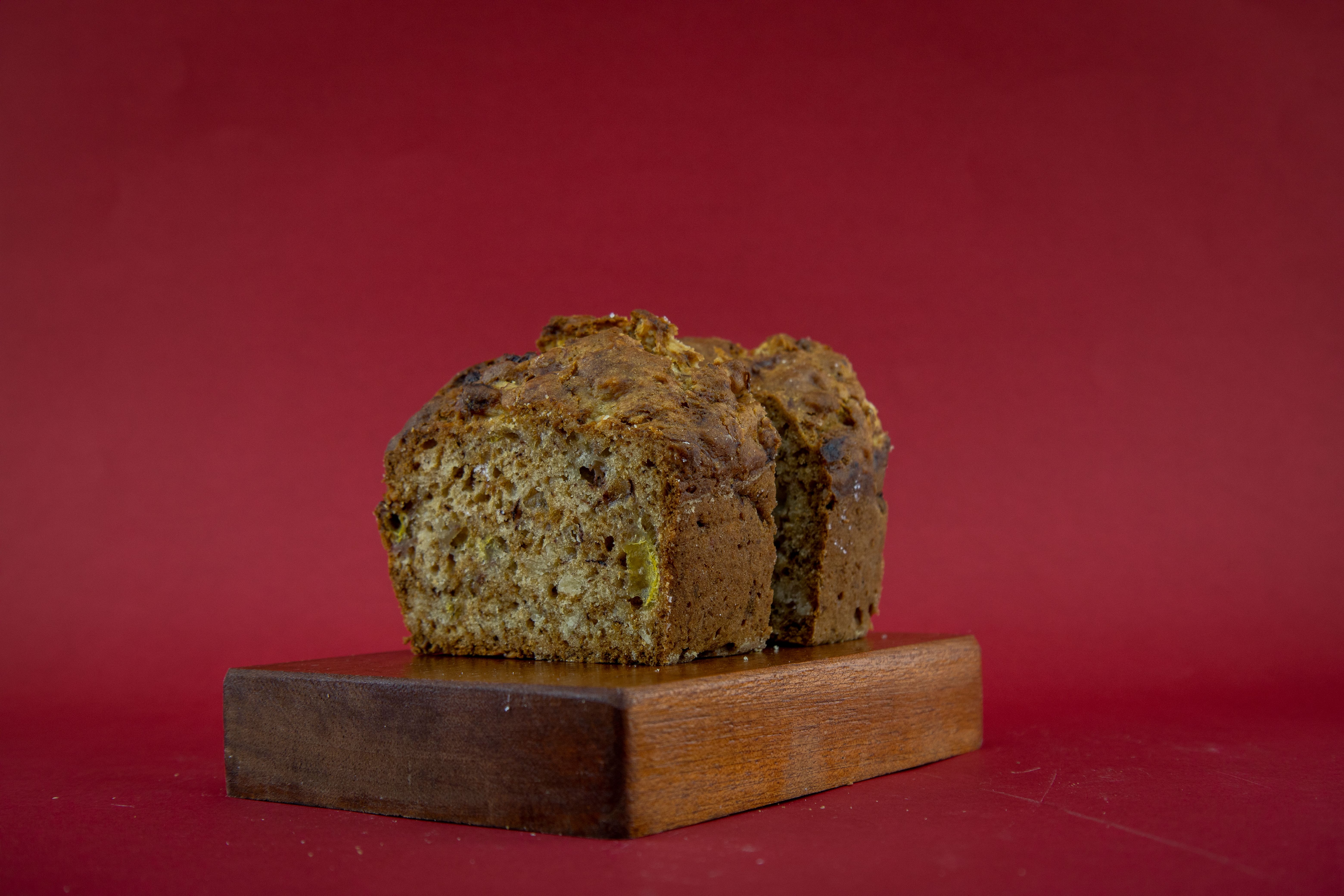
The diets react (see scores below)
Diet Ratings
Zucchini bread typically contains 12-18g net carbs per slice due to refined flour and added sugars, even though zucchini itself is low-carb. Homemade versions with almond flour and sugar substitutes can be keto-compatible.
Strict keto advocates avoid traditional zucchini bread entirely due to refined flour content. However, some keto practitioners accept homemade versions made with almond flour and sugar substitutes as occasional treats.
Traditional zucchini bread contains eggs, butter, and/or milk. Non-vegan unless made with plant-based substitutes.
Zucchini bread is made from wheat flour (grain), refined sugar, and often contains dairy and seed oils. While zucchini is paleo-approved, the base violates core paleo principles.
Zucchini bread contains vegetables (positive) but is typically made with refined flour, added sugars, and oils. The vegetable content is minimal relative to processed ingredients. Homemade whole grain versions are more acceptable.
Some Mediterranean diet practitioners view vegetable-based baked goods more favorably when made with whole grains and minimal added sugars, as they incorporate vegetables into the diet.
Zucchini bread contains grain flour, vegetables (zucchini), and sugar. All components are explicitly excluded from carnivore diet.
Zucchini bread is explicitly prohibited as a baked good on Whole30. It contains grains and typically added sugar and dairy. Violates both ingredient rules and spirit of program.
Zucchini bread is made with wheat flour, which is high in fructans. Although zucchini is low-FODMAP, the wheat base makes the product high-FODMAP. Monash rates wheat-based baked goods as high-FODMAP.
Zucchini adds fiber and micronutrients, but bread format typically includes added sugars and refined flour. Homemade versions with whole grains and reduced sugar score higher than commercial varieties.
NIH DASH guidelines emphasize whole grains and limit added sugars; updated clinical interpretation acknowledges zucchini's vegetable nutrients, but commercial versions often contain 15-25g added sugar, negating benefits.
Zucchini is low-glycemic vegetable, but zucchini bread typically contains refined flour and added sugars. ~30g carbs, 8g fat per slice, minimal protein. Zucchini's benefit overwhelmed by refined carbs. Homemade versions with almond flour and sugar substitutes score higher.
Homemade zucchini bread using almond flour, minimal added sugar, and proper protein addition could score 'caution 6-7'. Commercial versions consistently fail due to refined flour and sugar content.
Zucchini adds fiber and nutrients, but bread is typically made with refined flour, added sugars, and butter. Vegetable content provides some anti-inflammatory benefit but insufficient to offset inflammatory base.
Some whole-food advocates view vegetable-based breads more favorably for nutrient density, while others emphasize that refined flour and added sugars remain primary inflammatory concerns.
Zucchini bread contains vegetables (fiber, water content) but is typically high in sugar and fat (oil/butter). Minimal protein. Zucchini adds some nutritional value and digestibility compared to banana bread, but sugar and fat content remain concerns. Better than traditional sweet breads but not ideal.
Some RDs view zucchini bread as acceptable due to vegetable content and water, while others argue the added sugar and fat negate the benefit and recommend whole zucchini instead.
Nutritional profile
Six traits that cut across every diet.
Fiber & Plants
How much whole-plant food and fiber it delivers.
Healthy Fats
The quality of its fats (unsaturated, omega-3).
Whole / Unprocessed
How close it is to its natural, unprocessed form.
Gut Gentle
How easy it is on digestion (low FODMAP, few irritants).
Low Glycemic
How little it spikes your blood sugar.
Protein Density
How much protein it packs per calorie.
Controversy Index
Score range: 1–5/10. Higher controversy = more disagreement between diets.
Diet-Specific Tips for Zucchini bread
 Keto — 4/10
- Traditional versions too high in carbs (12-18g per slice)
- Refined flour is primary carb source
- Homemade almond flour versions can be keto-friendly
- Check for added sugars
 Mediterranean — 4/10
- Contains vegetables
- Usually refined flour base
- High added sugars typical
- Processed preparation
 DASH — 4/10
- Zucchini provides fiber and micronutrients
- High added sugars in most recipes (15-25g per slice)
- Often refined flour, minimal whole grains
- Saturated fat from oil/butter
 Zone — 5/10
- Zucchini is low-glycemic vegetable
- Refined flour base typical
- Added sugars common
- Recipe variation significant
 Anti-Inflammatory — 4/10
- vegetable content
- refined flour base
- added sugars
- saturated fat
- minimal whole grain
 GLP-1 Friendly — 4/10
- Contains vegetables (fiber, water)
- High sugar content
- Moderate-to-high fat
- Very low protein
- Moderate fiber from zucchini
- Better digestibility than banana bread