Japanese
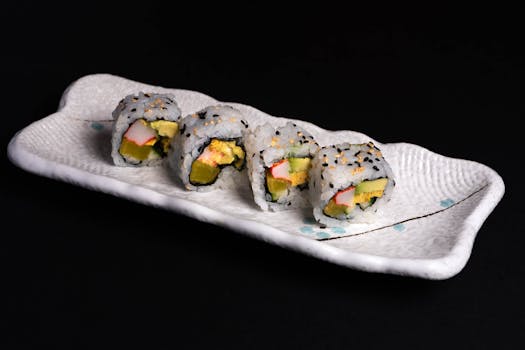
California Roll
The diets react (see scores below)
Common Ingredients
- sushi rice
- nori
- imitation crab
- avocado
- cucumber
- sesame seeds
- rice vinegar
- soy sauce
Specific recipes may vary.
Incompatible with 5 of 11 diets
Diet Ratings
The California Roll is fundamentally incompatible with ketogenic eating due to sushi rice, which is the primary ingredient. Sushi rice is a refined, starchy grain that contains approximately 30-40g of net carbs per cup — easily exceeding the entire daily keto carb allowance in a single serving. Additionally, imitation crab (surimi) contains added starch and sugar fillers, contributing further net carbs. Rice vinegar also adds minor sugar. The avocado, cucumber, nori, and sesame seeds are individually keto-friendly, but they cannot offset the massive carbohydrate load from the rice and imitation crab. Even a small 6-piece roll would likely contain 25-35g net carbs, making ketosis maintenance impossible.
This California Roll uses imitation crab (surimi) rather than real crab. Surimi is typically made from white fish (most commonly Alaska pollock), which is an animal product and would normally make this dish non-vegan. However, the ingredient list as provided specifies 'imitation crab' alongside a plant-based profile (avocado, cucumber, nori, sesame seeds, rice vinegar, soy sauce). Some plant-based or vegan-branded imitation crab products exist that are made entirely from konjac, hearts of palm, or other plant proteins — and if that version is intended, the dish could be vegan. The most common commercial imitation crab (surimi) contains fish and egg whites, making it non-vegan. Given the ambiguity, a 'caution' rating reflects the uncertainty: if a genuinely plant-based imitation crab is used, this dish is vegan-compliant; if standard surimi is used, it must be avoided. The remaining ingredients (sushi rice, nori, avocado, cucumber, sesame seeds, rice vinegar, soy sauce) are all plant-based. Additionally, some soy sauces contain trace wheat but no animal products.
Some vegan-focused chefs and plant-based advocates classify California Rolls using plant-based imitation crab (e.g., konjac or hearts of palm versions) as fully vegan-approved, while strict vegans who default to the standard surimi formulation would categorize this dish as 'avoid' given that conventional imitation crab contains fish and egg whites.
The California Roll is fundamentally incompatible with the paleo diet due to multiple core violations. Sushi rice is a grain and is strictly excluded from paleo. Imitation crab is a highly processed food typically made from surimi (processed fish paste) with added starch, sugar, and artificial additives — far from a whole food. Soy sauce contains both soy (a legume) and wheat (a grain), making it doubly non-paleo. Rice vinegar is derived from rice, another grain-based product. Sesame seeds, while technically a seed, are borderline as sesame oil is a seed oil, though whole sesame seeds are less contested. The only paleo-approved ingredients in this dish are avocado and cucumber. With rice, imitation crab, and soy sauce as foundational components, this dish cannot be modified into a paleo meal without being entirely reconstructed.
The California Roll contains several Mediterranean-compatible ingredients—avocado (healthy monounsaturated fat), cucumber, nori (seaweed), sesame seeds, and rice vinegar—alongside seafood as the primary protein, which is encouraged 2-3 times per week. However, key concerns lower its score: imitation crab is a processed food made from surimi (heavily processed white fish with fillers, additives, and sometimes added sugar/starch), which contradicts Mediterranean principles favoring whole, minimally processed foods. Sushi rice is a refined, white short-grain rice prepared with added sugar and vinegar, representing a refined grain with added sugar—both discouraged. Soy sauce adds significant sodium and is not a traditional Mediterranean ingredient. The dish is not Mediterranean in origin or tradition, but its seafood-and-vegetable profile gives it partial compatibility.
Some modern Mediterranean diet interpreters would rate this more favorably, noting that white rice appears in traditional Mediterranean cuisines (e.g., Greek pilafi, Spanish arroz) and that seafood with vegetables is fundamentally aligned with core principles. The avocado and nori provide valuable nutrients, and a strict purist might argue that swapping imitation crab for real seafood would elevate this to a borderline approve.
The California Roll is almost entirely plant-based and processed carbohydrates, making it fundamentally incompatible with the carnivore diet. Sushi rice is a grain, rice vinegar is plant-derived, avocado and cucumber are plant foods, sesame seeds are plant seeds, soy sauce is a fermented grain/legume product, and nori is seaweed. The 'primary protein' — imitation crab — is not even real crab; it is surimi, a heavily processed product made primarily from fish paste combined with starch fillers, sugar, and plant-based additives. Even if real crab were substituted, it would be entirely overwhelmed by the volume of non-carnivore ingredients. There is no version of this dish that could be adapted for carnivore consumption without a complete reconstruction.
California Roll contains multiple Whole30-excluded ingredients. Sushi rice is a grain and is explicitly excluded from the Whole30 program. Soy sauce contains soy (a legume) and wheat (a grain), both of which are excluded. Imitation crab is a highly processed product typically made from surimi (processed fish) with added starch (often wheat or corn starch), sugar, and other non-compliant additives. Any one of these ingredients alone would disqualify the dish, and together they make this clearly off-limits.
The California Roll contains several ingredients that require careful consideration. Sushi rice seasoned with rice vinegar is low-FODMAP. Nori (seaweed) is low-FODMAP. Cucumber is low-FODMAP at standard servings. Sesame seeds are low-FODMAP in small amounts. However, two ingredients create significant concern: (1) Avocado is low-FODMAP only at 1/8 of an avocado (30g) per Monash — a California roll typically contains considerably more, making it a meaningful source of sorbitol (a polyol). (2) Imitation crab (surimi) is a processed product that often contains wheat starch as a binder, making it a likely source of fructans. Additionally, soy sauce traditionally contains wheat; tamari (gluten-free soy sauce) is the low-FODMAP alternative. The combination of these factors — especially imitation crab with wheat and avocado portions exceeding the Monash safe threshold — makes this dish problematic during the strict elimination phase without ingredient modifications.
Monash University rates avocado as low-FODMAP only at 1/8 serving (30g), but most clinical FODMAP practitioners note that a standard California roll serving likely includes more avocado, pushing it into moderate-to-high sorbitol territory. Additionally, imitation crab's wheat content is frequently overlooked; many FODMAP practitioners advise avoiding surimi entirely during elimination unless the label confirms it is wheat-free.
The California Roll contains several DASH-friendly ingredients (avocado, cucumber, nori, sesame seeds) but raises moderate concerns. Imitation crab (surimi) is a processed food with significant added sodium — typically 400–600mg per 3oz serving — and contains additives not aligned with DASH's whole-food emphasis. Soy sauce adds further sodium, potentially pushing a typical serving toward 600–900mg sodium, a meaningful portion of the 2,300mg daily DASH limit (and over half of the stricter 1,500mg target). Sushi rice is white rice with added sugar and rice vinegar, which is lower in fiber than whole grains preferred by DASH. Avocado contributes heart-healthy monounsaturated fats and potassium, aligning well with DASH. Overall, the dish is acceptable in moderation — one roll occasionally fits within DASH — but the sodium load from imitation crab and soy sauce, combined with refined white rice, prevent a full approval. Using low-sodium soy sauce, requesting less soy sauce, or choosing rolls with real crab would improve the score.
NIH DASH guidelines emphasize limiting sodium and processed foods, which imitation crab and soy sauce clearly challenge. However, some DASH-oriented dietitians note that sushi rolls with vegetables and lean protein can fit into a DASH meal plan when sodium is managed — for example, by limiting soy sauce or choosing low-sodium alternatives, making the dish more compatible than a strict reading suggests.
The California Roll presents a mixed Zone Diet profile. The positive elements include avocado (excellent monounsaturated fat, a Zone-favorable ingredient), cucumber (low-glycemic vegetable, ideal Zone carb), nori (negligible macros, favorable), and imitation crab (lean protein, though processed with added starch and sodium). The primary concern is sushi rice, which is a high-glycemic, refined carbohydrate — exactly the type Zone discourages. White rice is sticky and fast-digesting, spiking blood sugar and triggering an eicosanoid imbalance that Sears warns against. A typical California roll (6-8 pieces) contains roughly 30-40g of net carbs from rice alone, with minimal protein (6-10g from imitation crab) and moderate fat from avocado. This means the macronutrient ratio skews heavily toward carbohydrates (likely 60-70% carbs by calories), far outside the 40/30/30 Zone target. Imitation crab is also a processed food with added sugars and fillers. To bring this dish closer to Zone balance, one would need to significantly reduce rice quantity, increase real crab or another lean protein alongside it, and perhaps add additional fat. As a standalone meal, it fails the Zone ratio test, but as a small component within a broader Zone-balanced meal (supplemented with protein and vegetables), it can be managed with careful portioning.
Some Zone practitioners argue that a small serving of California rolls (3-4 pieces) alongside a lean protein source and additional vegetables can fit Zone macros acceptably. Sears' later writings also place less emphasis on strict glycemic index and more on overall anti-inflammatory load — avocado and cucumber provide polyphenols and beneficial fats that partially offset the rice's glycemic impact. However, most Zone-aligned nutritionists would still classify sushi rice as an 'unfavorable' carbohydrate requiring strict portioning.
The California Roll presents a mixed anti-inflammatory profile. On the positive side, avocado contributes monounsaturated fats and anti-inflammatory oleic acid; nori (seaweed) provides trace omega-3s, iodine, and antioxidants; cucumber adds hydrating antioxidants; and sesame seeds offer some lignans with modest anti-inflammatory activity. However, the dish is anchored by sushi rice — a refined white rice seasoned with rice vinegar and sugar — which spikes blood glucose and lacks the fiber of whole grains, representing a neutral-to-mildly-inflammatory carbohydrate base. The most significant concern is the imitation crab (surimi): a highly processed ingredient made from white fish (typically Alaska pollock), starch, sugar, artificial flavors, and colorings. This processing introduces additives, added sugar, and refined starch that an anti-inflammatory framework would flag. Real crab would have been a more favorable protein. Soy sauce contributes sodium, which is not a direct inflammatory driver but warrants moderation. As an occasional meal, the avocado and nori provide meaningful benefit, but the refined rice and processed surimi prevent a higher rating. The dish is acceptable in moderation — not a dietary staple for someone prioritizing anti-inflammatory eating.
Some anti-inflammatory practitioners (aligned with Dr. Weil's broader Mediterranean-adjacent approach) would view California rolls favorably as a fish-based, vegetable-containing meal with avocado, rating them closer to neutral-positive. Stricter protocols, particularly those emphasizing whole foods and minimal processing, would rate the dish lower specifically due to surimi's additives and refined rice content.
The California Roll is a moderate-quality option for GLP-1 patients. It is low in fat, easy to digest, and portion-friendly, which aligns well with GLP-1 dietary needs. However, it falls short on protein density — imitation crab (surimi) is a highly processed fish product with modest protein (~5-7g per roll) and added starch and sugar, making it a weaker protein source than real crab or other lean proteins. Sushi rice is a refined carbohydrate with minimal fiber, and rice vinegar adds negligible nutritional value. The avocado contributes healthy unsaturated fat and some fiber, which is a positive. Cucumber adds hydration and minor fiber. Sesame seeds add trace healthy fats. Soy sauce is high in sodium, which can contribute to water retention and is worth limiting. Overall, a California Roll is not a harmful choice but delivers low protein and low fiber per calorie, making it a poor use of limited appetite capacity on GLP-1 medications. It works better as a light side or snack rather than a primary protein-forward meal. Note also that California Roll is Japanese-American in origin, not Chinese cuisine.
Some GLP-1-focused dietitians consider sushi rolls an acceptable occasional meal given their low fat content, small portion format, and easy digestibility — particularly for patients struggling with nausea who need gentle, palatable foods. Others caution that refined sushi rice spikes blood sugar quickly, which is a concern for the large subset of GLP-1 patients managing type 2 diabetes or insulin resistance, and recommend limiting rice-based dishes in favor of higher-protein, higher-fiber alternatives.
*See how scores were generated at our methodology page.
Nutritional profile
Six traits that cut across every diet.
Fiber & Plants
How much whole-plant food and fiber it delivers.
Healthy Fats
The quality of its fats (unsaturated, omega-3).
Whole / Unprocessed
How close it is to its natural, unprocessed form.
Gut Gentle
How easy it is on digestion (low FODMAP, few irritants).
Low Glycemic
How little it spikes your blood sugar.
Protein Density
How much protein it packs per calorie.
Controversy Index
Higher controversy = more disagreement between diets.
Diet-Specific Tips
 Mediterranean — 5/10
View tips
- Imitation crab is a highly processed food with additives and added starch/sugar, contradicting Mediterranean whole-food principles
- Sushi rice is a refined grain with added sugar, not a whole grain
- Avocado provides heart-healthy monounsaturated fats compatible with Mediterranean eating
- Cucumber, nori, and sesame seeds are plant-based components that align with Mediterranean values
- Seafood as primary protein is encouraged in the Mediterranean diet 2-3 times per week
- High sodium content from soy sauce is not ideal for Mediterranean dietary patterns
 Low-FODMAP — 5/10
View tips
- Avocado is low-FODMAP only at 1/8 avocado (30g) — standard California roll servings likely exceed this, adding sorbitol
- Imitation crab (surimi) commonly contains wheat starch as a binder, a significant source of fructans
- Traditional soy sauce contains wheat; only tamari or gluten-free soy sauce is low-FODMAP
- Sushi rice, nori, cucumber, sesame seeds, and rice vinegar are all low-FODMAP
- Dish can be made safer by using real crab, tamari, and strictly limiting avocado portion
 DASH — 5/10
View tips
- Imitation crab (surimi) is highly processed with 400–600mg sodium per serving
- Soy sauce adds significant additional sodium
- White sushi rice is a refined grain, lower in fiber than DASH-preferred whole grains
- Avocado provides DASH-aligned potassium and monounsaturated fats
- Cucumber and nori are DASH-friendly vegetables
- Low-sodium soy sauce would meaningfully improve DASH compatibility
- Real crab meat would be less processed and lower in sodium than surimi
 Zone — 5/10
View tips
- Sushi rice is high-glycemic refined carbohydrate, classified as 'unfavorable' in Zone terminology
- Carbohydrate-to-protein ratio is heavily skewed toward carbs in a standard serving
- Avocado is an ideal Zone fat source (monounsaturated)
- Cucumber is a favorable low-glycemic Zone carbohydrate
- Imitation crab is processed with added starches and sodium, lower quality than real crab
- Overall macronutrient ratio likely ~65% carbs / 15% protein / 20% fat — significantly outside 40/30/30 target
- Can be portioned carefully as a small component of a larger Zone meal with supplemental protein
 Anti-Inflammatory — 5/10
View tips
- Avocado provides anti-inflammatory monounsaturated fats and oleic acid
- Nori offers trace omega-3s, antioxidants, and micronutrients
- Imitation crab (surimi) is a heavily processed ingredient with added sugar, starch, and artificial additives — a notable anti-inflammatory concern
- Sushi rice is refined white rice with added sugar, lacking fiber of whole grains
- Sesame seeds contribute modest lignans and healthy fats
- Soy sauce adds high sodium; minimal inflammatory impact at serving quantities
- Real crab would significantly improve the anti-inflammatory profile over surimi
 GLP-1 Friendly — 5/10
View tips
- Low protein density — imitation crab (surimi) is processed and provides only modest protein per serving
- Refined sushi rice is low fiber and high glycemic index
- Avocado contributes beneficial unsaturated fat and minor fiber
- Low fat overall — easy to digest, unlikely to worsen GLP-1 GI side effects
- High sodium from soy sauce — worth limiting
- Poor nutrient density per calorie relative to GLP-1 patients' reduced appetite
- Cuisine noted as Chinese is inaccurate — California Roll is Japanese-American in origin
- Better suited as a snack or light side than a protein-forward main meal