Photo: Change C.C / Pexels
Chinese
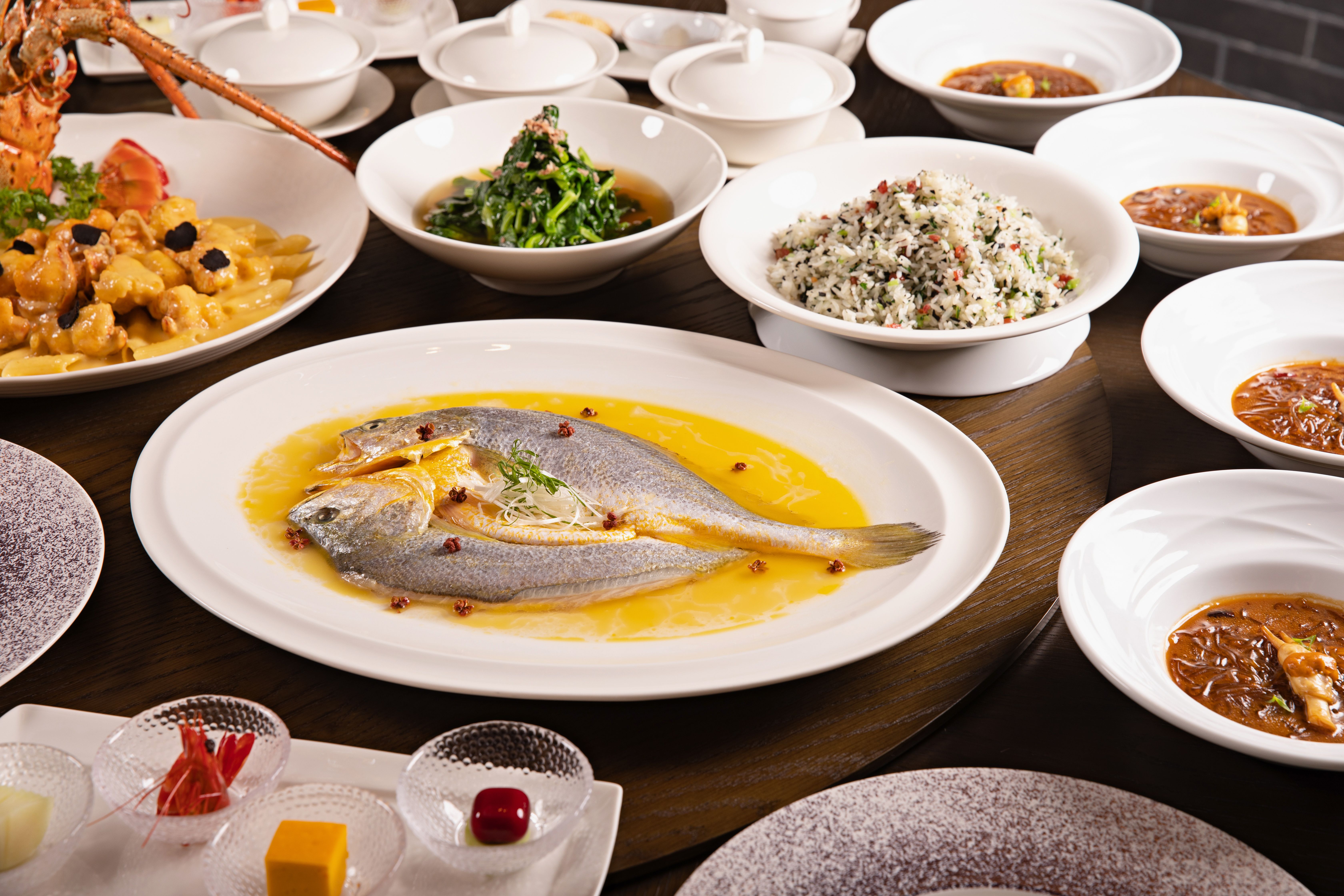
Cantonese Steamed Fish
The diets react (see scores below)
Common Ingredients
- whole sea bass
- ginger
- scallions
- soy sauce
- Shaoxing wine
- cilantro
- sesame oil
- vegetable oil
Specific recipes may vary.
Incompatible with 4 of 11 diets
Diet Ratings
Cantonese Steamed Fish is fundamentally keto-friendly — white fish (sea bass) is an excellent lean protein, and the aromatics (ginger, scallions, cilantro) add minimal carbs. However, two ingredients raise concerns: Shaoxing rice wine contains carbohydrates from fermented rice and residual sugars (roughly 4-5g carbs per tablespoon used), and traditional soy sauce contains wheat, adding small amounts of gluten-derived carbs. The sesame and vegetable oils are fine. In a typical serving, the combined carb load from soy sauce and Shaoxing wine likely lands in the 3-6g net carb range — manageable but requiring attention. The dish is easily adapted by substituting dry sherry or omitting Shaoxing wine, and using tamari (wheat-free soy sauce) or coconut aminos.
Strict keto practitioners argue that Shaoxing wine should be eliminated entirely due to its grain-derived fermentation base and sugar content, and that standard soy sauce is disqualifying due to wheat. These purists would rate this dish as avoid unless explicitly modified with compliant substitutes.
Cantonese Steamed Fish contains whole sea bass as its primary ingredient, which is a fish — an animal product explicitly excluded under all mainstream vegan definitions. There is no ambiguity here: fish are animals, and consuming them is incompatible with a vegan diet regardless of preparation method. The remaining ingredients (ginger, scallions, soy sauce, Shaoxing wine, cilantro, sesame oil, vegetable oil) are all plant-derived, but the central protein makes this dish entirely off-limits for vegans.
While the base of this dish — whole sea bass, ginger, scallions, and cilantro — is entirely paleo-compliant, three ingredients disqualify it clearly. Soy sauce is a legume-derived, heavily processed condiment with added salt and often wheat, making it a firm avoid. Shaoxing wine is a grain-based fermented rice wine, placing it in the grain-exclusion category. Sesame oil is a seed oil explicitly excluded from paleo. Vegetable oil is likewise a processed seed oil and a paleo avoid. With four non-compliant ingredients out of eight total, this dish as prepared cannot be considered paleo-friendly. A paleo adaptation would substitute coconut aminos for soy sauce, omit the Shaoxing wine or replace with a small amount of dry white wine, and swap both oils for avocado oil or coconut oil.
Cantonese steamed fish aligns well with Mediterranean diet principles: whole white fish (sea bass) is an excellent lean protein source encouraged 2-3 times weekly, and steaming is a healthy preparation method with no added saturated fat. Ginger, scallions, and cilantro are plant-based aromatics that add nutritional value. However, soy sauce introduces significant sodium (not traditional to Mediterranean cuisine), Shaoxing wine is a non-Mediterranean ingredient, and sesame oil — while a plant-based fat — is not the preferred Mediterranean fat source (extra virgin olive oil is). The dish is not Mediterranean in origin, but its core composition (lean fish, vegetables, light cooking method) fits the dietary pattern well.
Some Mediterranean diet purists would rate this lower due to the absence of olive oil as the primary fat and the high sodium content from soy sauce, which diverges from traditional Mediterranean cooking; modern clinical guidelines emphasize not just food categories but also preparation methods aligned with the tradition.
While the sea bass itself is a carnivore-approved animal protein, this dish is dominated by plant-derived and processed ingredients that disqualify it entirely from the carnivore diet. Ginger, scallions, cilantro, and sesame oil are all plant-derived and excluded. Soy sauce is a fermented grain-based condiment (made from soybeans and wheat) — completely off-limits. Shaoxing wine is a plant-derived alcoholic cooking wine. Vegetable oil is a seed/plant oil, one of the most strongly avoided items in the carnivore community. The only carnivore-compatible component is the fish itself; every other ingredient violates carnivore rules. This is not a dish that can be 'modified slightly' — the seasoning and sauce base is entirely plant-derived.
This dish contains two excluded ingredients: soy sauce (made from soy, a legume, and often wheat/grain) and Shaoxing wine (an alcoholic rice wine, excluded on Whole30 as both alcohol and a grain-derived product). These are core components of the dish, not optional garnishes. The remaining ingredients — sea bass, ginger, scallions, cilantro, sesame oil, and vegetable oil — are all Whole30-compliant. To make a compliant version, soy sauce would need to be replaced with coconut aminos, and Shaoxing wine would need to be omitted entirely or replaced with a small amount of compliant rice vinegar or chicken broth.
Cantonese Steamed Fish is largely low-FODMAP, with the sea bass, ginger, sesame oil, and vegetable oil all being safe. The primary concerns are scallions and soy sauce. Scallions (spring onions) are low-FODMAP only when using the green tops — the white bulb portion is high in fructans and must be avoided. In traditional Cantonese preparation, whole scallions including the white parts are commonly used as a garnish and flavor base, which introduces fructan risk. Soy sauce contains wheat (a fructan source), but the quantity used per serving is typically very small (1-2 tsp) and Monash rates regular soy sauce as low-FODMAP at standard serving sizes of up to 2 tablespoons. Shaoxing wine is used in small quantities and is generally considered low-FODMAP at culinary doses. Cilantro is safe. Overall, the dish is manageable with modifications — using only the green parts of scallions is the critical adjustment — but as traditionally prepared with whole scallions, it warrants caution.
Monash University rates the green tops of scallions as low-FODMAP, making a modified version of this dish approvable; however, many clinical FODMAP practitioners advise patients to avoid dishes where scallion white parts cannot be reliably separated (as in restaurant or home cooking where juices mingle during steaming), recommending caution during the strict elimination phase.
Cantonese Steamed Fish is built around white fish (sea bass), which is an excellent lean protein that DASH explicitly endorses. The cooking method — steaming — is ideal for DASH, preserving nutrients without added saturated fat. Ginger, scallions, and cilantro are all DASH-friendly aromatics. However, the dish's primary concern is soy sauce, which is very high in sodium (typically 900–1,100mg per tablespoon), a direct conflict with DASH's core sodium restriction (<2,300mg/day standard, <1,500mg/day low-sodium). Traditional Cantonese preparations can use 2–4 tablespoons of soy sauce per serving, potentially pushing sodium content to 1,800–3,000mg+ in one dish alone. Shaoxing wine adds minimal nutritional concern but does contribute a small amount of sodium. Sesame oil and vegetable oil add modest amounts of unsaturated fat, which is acceptable in DASH. The dish would score significantly higher (7–8) if prepared with low-sodium soy sauce and reduced quantities, making it a genuinely DASH-compatible meal given its lean protein, minimal saturated fat, and vegetable aromatics.
NIH DASH guidelines flag soy sauce as a high-sodium condiment to limit, making standard preparations of this dish a sodium risk. However, some DASH-oriented clinicians and dietitians note that when low-sodium soy sauce is substituted and portions are controlled, the overall dish profile — lean steamed fish, no saturated fat, rich in potassium and omega-3s — aligns closely with DASH principles, and would approve it with that modification.
Cantonese Steamed Fish is an excellent Zone Diet candidate. White fish (sea bass) is a lean, high-quality protein source that fits neatly into Zone protein blocks at approximately 7g protein per block, with minimal fat. Steaming is one of the healthiest cooking methods, avoiding added fats from frying. Ginger, scallions, and cilantro are low-glycemic, polyphenol-rich vegetables that contribute negligible carbohydrate blocks. Soy sauce contributes minimal carbs and sodium but is used in small quantities. The primary concern is the fat profile: sesame oil is predominantly polyunsaturated (omega-6) rather than the preferred monounsaturated fat, and vegetable oil (likely high-omega-6) is used for the hot oil pour — both deviate from Zone's preference for olive oil or monounsaturated fats. However, these oils are used in small amounts. Shaoxing wine adds minor sugar/carbs but in typical cooking quantities is negligible at the block level. As a main dish, this pairs naturally with a side of low-glycemic vegetables and a small portion of whole grain to complete a balanced Zone meal. Sea bass also provides some omega-3 fatty acids, supporting the anti-inflammatory focus central to the Zone protocol.
The sesame oil and vegetable oil used in the traditional hot oil pour introduce omega-6 polyunsaturated fats, which Sears' later anti-inflammatory writings (particularly 'The Zone Diet' and his work on eicosanoids) explicitly discourage in favor of monounsaturated fats like olive oil. A strict Zone practitioner following Sears' anti-inflammatory protocol might substitute olive oil and reduce or eliminate the vegetable oil pour, effectively upgrading this dish to a 9. Some practitioners accept sesame oil in small amounts as a flavoring agent rather than a fat block contributor, keeping the score high regardless.
Cantonese Steamed Fish is a largely anti-inflammatory dish anchored by lean white fish (sea bass), which provides quality protein, selenium, and some omega-3 fatty acids — though at lower levels than fatty fish like salmon. The cooking method (steaming) preserves nutrients without adding significant fat. Ginger is a well-established anti-inflammatory spice (gingerols inhibit COX enzymes), and scallions and cilantro contribute polyphenols and antioxidants. Soy sauce in the small amounts typical of this preparation is acceptable, though it is high in sodium and often contains additives — tamari or low-sodium soy sauce would be preferable. Shaoxing rice wine is used in small culinary quantities and poses minimal inflammatory concern. Sesame oil in modest amounts is acceptable and contains sesamol and sesamin with antioxidant properties. The main concern is the vegetable oil (likely a refined seed oil such as sunflower or corn oil), which is typically used to finish the dish by pouring hot oil over the fish. This small amount of heated seed oil is a modest inflammatory concern due to omega-6 content and oxidation at high heat, but the quantity used is small enough that it does not overturn the dish's overall anti-inflammatory profile. Overall, this is a clean, minimally processed preparation with genuinely anti-inflammatory components.
Most anti-inflammatory protocols would rate this favorably given the steamed lean fish, ginger, and aromatic herbs. However, some practitioners (consistent with seed oil concerns raised in protocols like those of Dr. Paul Saladino or strict omega-6-reduction frameworks) would flag the hot poured vegetable oil as a meaningful source of oxidized omega-6 fatty acids, and might suggest substituting avocado oil or simply omitting the hot oil finish — potentially lowering the score to 6-7 for those frameworks.
Cantonese steamed fish is an excellent GLP-1-friendly dish overall. Sea bass is a lean white fish with high protein density and very low saturated fat, making it easy to digest and unlikely to worsen GLP-1 GI side effects. Steaming is the ideal cooking method for GLP-1 patients — no added frying fat, gentle on the stomach, and preserves nutrients. Ginger actively supports digestion and may help reduce nausea, a common GLP-1 side effect. Scallions and cilantro add micronutrients with negligible calories. The main cautions are the finishing oils: sesame oil and hot vegetable oil are poured over the fish at serving, adding a moderate fat load and potentially triggering reflux or nausea in sensitive patients. Shaoxing wine contributes a small amount of alcohol and sodium, and soy sauce adds significant sodium — relevant for patients managing blood pressure or water retention. These are minor concerns at typical serving quantities and do not override the dish's strong protein and digestibility profile.
The finishing oil technique (hot vegetable oil poured over the fish) is where GLP-1 clinicians diverge: most consider the quantity small enough to be acceptable, but some RDs working with patients experiencing active nausea or reflux recommend requesting the dish without the hot oil pour, or substituting a light broth finish, since even moderate added fat can significantly worsen symptoms in the early weeks of GLP-1 therapy.
*See how scores were generated at our methodology page.
Nutritional profile
Six traits that cut across every diet.
Fiber & Plants
How much whole-plant food and fiber it delivers.
Healthy Fats
The quality of its fats (unsaturated, omega-3).
Whole / Unprocessed
How close it is to its natural, unprocessed form.
Gut Gentle
How easy it is on digestion (low FODMAP, few irritants).
Low Glycemic
How little it spikes your blood sugar.
Protein Density
How much protein it packs per calorie.
Controversy Index
Higher controversy = more disagreement between diets.
Diet-Specific Tips
 Keto — 6/10
View tips
- Sea bass is a clean, keto-friendly protein with zero carbs
- Shaoxing rice wine contains grain-derived carbs and residual sugars (~4-5g per tablespoon)
- Traditional soy sauce contains wheat, adding trace gluten-derived carbs
- Ginger, scallions, and cilantro contribute minimal net carbs in cooking quantities
- Sesame oil and vegetable oil are keto-neutral fats
- Easily made fully keto-compliant by swapping Shaoxing wine for dry sherry and using tamari or coconut aminos
 Mediterranean — 8/10
View tips
- Whole sea bass is an excellent Mediterranean-compatible lean protein
- Steaming is a healthy, low-fat cooking method
- Ginger, scallions, and cilantro are nutritious plant-based ingredients
- Soy sauce adds significant sodium, not typical of Mediterranean cuisine
- Sesame oil is a plant fat but not the preferred Mediterranean fat (olive oil)
- Shaoxing wine is a non-Mediterranean ingredient, though wine in moderation is accepted in the diet
- No refined grains, added sugars, or processed ingredients
 Low-FODMAP — 5/10
View tips
- Sea bass is low-FODMAP — safe protein
- Scallion green tops are low-FODMAP but white bulb portions are high in fructans
- Traditional preparation often uses whole scallions, introducing fructan risk
- Soy sauce contains wheat but is used in small enough quantities to remain low-FODMAP at standard serving
- Shaoxing wine is low-FODMAP at culinary doses
- Ginger, sesame oil, vegetable oil, and cilantro are all low-FODMAP
- Dish can be made fully low-FODMAP by using only scallion greens
 DASH — 5/10
View tips
- Sea bass is a DASH-approved lean protein source
- Steaming is an ideal low-fat cooking method for DASH
- Soy sauce is very high in sodium (~900–1,100mg/tbsp), the primary concern
- Traditional preparation may deliver 1,800–3,000mg+ sodium per serving
- Low-sodium soy sauce substitution would dramatically improve DASH compatibility
- Sesame oil and vegetable oil contribute unsaturated fats, acceptable in DASH
- No saturated fat, full-fat dairy, red meat, or added sugar present
- Shaoxing wine is a minor sodium contributor
 Zone — 8/10
View tips
- Sea bass is an ideal Zone lean protein source — fits 1 protein block per ~30g cooked fish
- Steaming method adds no extraneous fat or carbohydrates
- Sesame oil and vegetable oil are omega-6 heavy, deviating from Zone's monounsaturated fat preference
- Ginger, scallions, and cilantro are favorable low-glycemic Zone carb sources rich in polyphenols
- Soy sauce adds sodium and minimal carbs; acceptable in Zone in condiment quantities
- Shaoxing wine contributes negligible carbohydrate blocks at typical cooking volumes
- Sea bass provides some omega-3 fatty acids supporting the anti-inflammatory Zone goal
- Dish lacks a complete Zone carb block — needs pairing with vegetables or low-GI carb side to hit 40/30/30
 Anti-Inflammatory — 8/10
View tips
- Sea bass provides lean protein and moderate omega-3 fatty acids
- Steaming is a low-fat, nutrient-preserving cooking method
- Ginger is a well-researched anti-inflammatory ingredient (gingerols, shogaols)
- Scallions and cilantro contribute antioxidants and polyphenols
- Sesame oil in small amounts contains anti-inflammatory lignans (sesamol, sesamin)
- Vegetable oil used hot is a moderate concern — refined seed oils are high in omega-6 and prone to oxidation at high heat
- Soy sauce adds sodium and potential additives; small culinary amounts are acceptable but low-sodium versions preferred
- Shaoxing wine is used in minimal culinary quantities with negligible inflammatory impact
 GLP-1 Friendly — 8/10
View tips
- Lean white fish: high protein, very low saturated fat — strong GLP-1 fit
- Steamed preparation: ideal cooking method, easy to digest, no frying fat
- Ginger: evidence-supported anti-nausea effect, beneficial for GLP-1 side effect management
- Finishing oils (sesame + vegetable): moderate fat addition that may worsen nausea or reflux in sensitive patients
- Soy sauce + Shaoxing wine: elevated sodium and trace alcohol — minor concern at typical quantities
- Low fiber: no vegetable or grain components in the dish itself; pair with steamed greens or brown rice to address fiber priority
- Portion-friendly: whole fish presentation allows flexible serving sizes