Photo: FAÍSCA CRIATIVA / Pexels
American
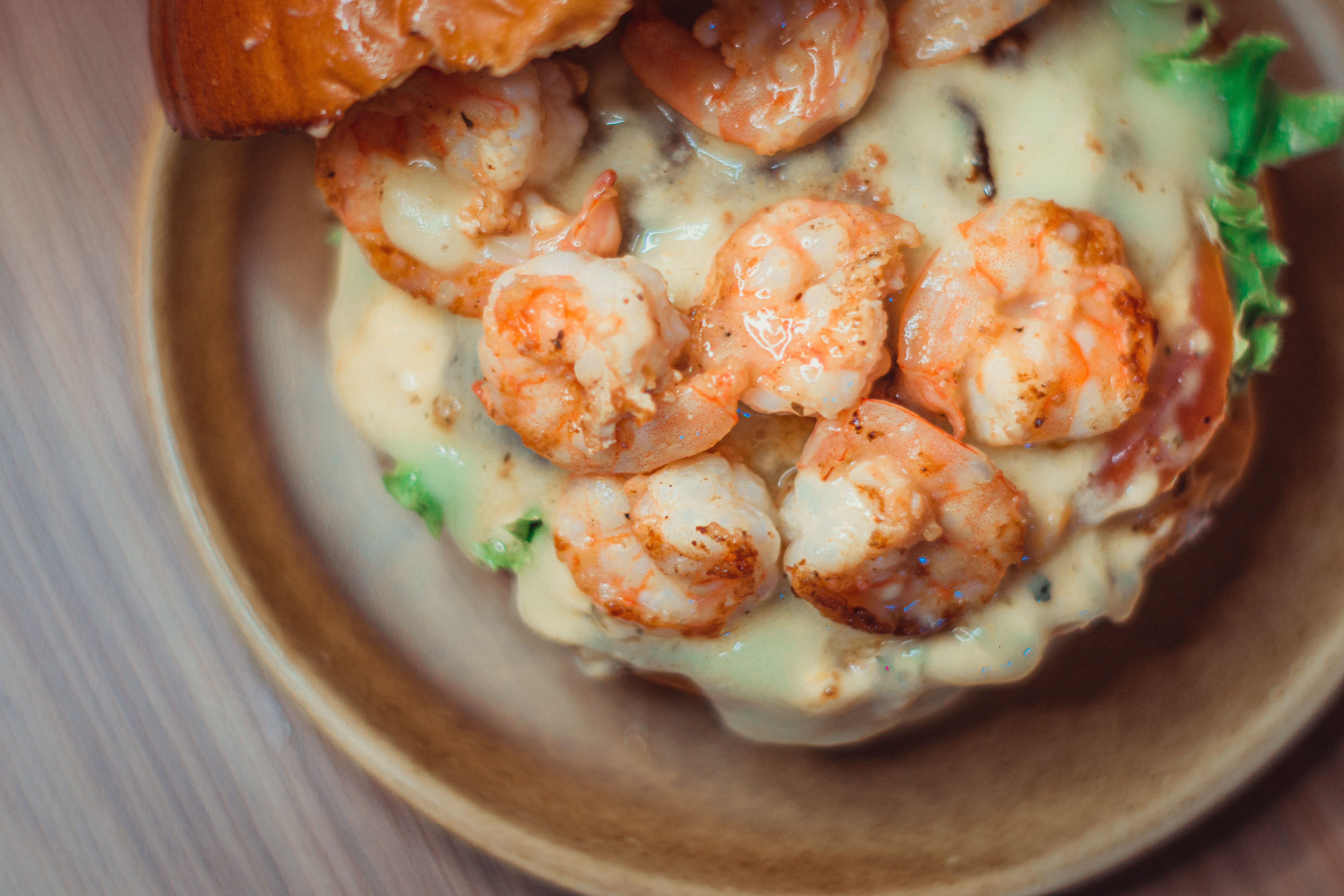
Crawfish Étouffée
The diets react (see scores below)

That’s a heavy plate — want to see the leaner version?
Common Ingredients
- crawfish tails
- butterExtra virgin olive oil
Extra-virgin olive oil swaps saturated fat for monounsaturated fat in place of butter.
- flourWhole wheat flour
Whole-wheat flour adds fiber and lowers the refined-grain load versus flour.
- onion
- bell pepper
- celery
- garlic
- white riceBrown rice
Brown rice adds fiber and a lower glycemic load than white rice.
Specific recipes may vary.
Incompatible with 6 of 11 diets
Diet Ratings
Crawfish Étouffée as traditionally prepared is incompatible with a ketogenic diet due to two major carbohydrate sources: white rice (a high-glycemic grain, roughly 45g net carbs per cup) and a flour-based roux, both of which will spike blood sugar and break ketosis. While crawfish tails themselves are lean, keto-friendly protein and the butter base is excellent, the dish's foundational components — flour roux and white rice — make it a clear avoid. Even a modest serving would likely exceed the entire daily net carb allowance. A keto adaptation could theoretically substitute cauliflower rice and a xanthan gum or no-roux thickener, but as standardly prepared this dish is off-limits.
Crawfish Étouffée contains multiple animal-derived ingredients that disqualify it from a vegan diet. Crawfish are crustaceans (animals), and butter is a dairy product. Both are fundamental to this dish and cannot be overlooked. The remaining ingredients — flour, onion, bell pepper, celery, garlic, and white rice — are plant-based, but the core protein and fat components are unambiguously animal-derived. There is no vegan version of this dish without completely replacing the crawfish and butter, which would make it an entirely different recipe.
Crawfish Étouffée contains multiple non-paleo ingredients that are central to the dish. Flour is a grain-based thickener that is firmly excluded from paleo. Butter is a dairy product excluded by strict paleo guidelines. White rice, served as the base, is a grain and a core paleo exclusion. While crawfish tails, onion, bell pepper, celery, and garlic are all paleo-approved, the dish's foundational structure — a flour-thickened butter roux served over rice — makes this dish incompatible with paleo as traditionally prepared. There is no meaningful version of this dish without significant non-paleo substitutions.
Crawfish Étouffée has a mixed Mediterranean diet profile. The crawfish tails are a positive element — shellfish and seafood are encouraged 2-3 times weekly. The aromatic vegetables (onion, bell pepper, celery, garlic) are classic Mediterranean-friendly plant foods. However, the dish departs significantly from Mediterranean principles in its fat base: butter is used instead of extra virgin olive oil, which is the canonical fat in Mediterranean eating. The flour-thickened roux also introduces refined grain content. The white rice base, while not catastrophically unhealthy, is a refined grain that Mediterranean guidelines prefer to replace with whole grains. The dish is not heavily processed and contains no added sugars or red meat, so it avoids the worst offenders, but the butter-roux foundation and white rice prevent a full approval.
Some Mediterranean diet practitioners note that shellfish-forward dishes can be adapted to full compliance simply by substituting olive oil for butter and serving over whole grains or legumes — in that framing, the core protein and vegetable profile would earn a strong approval. Traditional Provençal and Spanish seafood stews share a similar aromatic vegetable base and could be seen as structural cousins to étouffée.
Crawfish Étouffée is fundamentally incompatible with the carnivore diet. While the crawfish tails themselves are a permitted animal protein, the dish is built around a base of multiple plant foods and a grain. Flour (a grain-based thickener forming the roux), onion, bell pepper, celery, and garlic are all plant-derived ingredients central to the dish's identity — not incidental garnishes. White rice, served as the bed for the étouffée, is a grain and a major carbohydrate source. These plant ingredients collectively make up the structural and flavor foundation of this dish. The only carnivore-compatible elements are the crawfish and butter. As a dish, it cannot be considered carnivore in any tier of the diet.
Crawfish Étouffée as listed contains two clearly excluded ingredients: butter (dairy, not ghee) and flour (a grain). White rice is also excluded as a grain. The dish is built around a butter-and-flour roux, which is fundamental to the recipe, making this incompatible with Whole30 without a complete reformulation. Even if butter were swapped for ghee and flour omitted, serving over white rice would still disqualify it.
Crawfish Étouffée contains multiple high-FODMAP ingredients that make it unsuitable during the elimination phase. Onion and garlic are among the highest-FODMAP foods in the Monash system, both rich in fructans, and are foundational to this dish — they cannot be reduced to a safe serving size within a standard portion of étouffée. The holy trinity base (onion, celery, bell pepper) compounds the problem: while celery is moderate-FODMAP and bell pepper is low-FODMAP, onion alone disqualifies the dish. Garlic adds a second major fructan source. Wheat flour used as a roux thickener contributes additional fructans. White rice served alongside is low-FODMAP, and crawfish tails, butter, and bell pepper are all low-FODMAP, but the high-FODMAP components (onion, garlic, wheat flour) are structural to the dish and present in significant quantities in every serving.
Crawfish Étouffée presents a mixed DASH profile. Crawfish tails are a lean, low-fat protein source with beneficial nutrients, and the holy trinity of onion, bell pepper, and celery aligns well with DASH's vegetable emphasis. However, the dish is traditionally made with a significant amount of butter, which adds saturated fat — a nutrient DASH explicitly limits. Traditional étouffée also tends to be high in sodium, often exceeding 800-1,200mg per serving due to seasoning blends, Cajun spices, and sometimes added salt. White rice, while not prohibited, is a refined grain that DASH would prefer replaced with brown rice or another whole grain. The flour roux is a minor concern. The dish can be modified toward DASH compliance by using less butter (or substituting olive oil), reducing sodium-heavy seasonings, and swapping white rice for brown rice or cauliflower rice, but as traditionally prepared it requires meaningful modification.
NIH DASH guidelines emphasize limiting saturated fat and sodium, which makes traditional étouffée a marginal choice. However, some updated clinical interpretations note that crawfish is an exceptionally lean shellfish with favorable omega-3 and mineral content, and that a modest butter reduction can bring the dish within acceptable DASH saturated fat thresholds — making it a reasonable occasional inclusion in a DASH pattern rather than a food to strictly moderate.
Crawfish Étouffée presents a mixed Zone Diet profile. The crawfish tails themselves are an excellent lean protein source — low fat, high protein, comparable to shrimp — and the aromatic vegetables (onion, bell pepper, celery, garlic) are Zone-favorable low-glycemic carbs. However, the dish has two significant Zone liabilities: (1) The roux is made with butter and flour — butter adds saturated fat rather than the preferred monounsaturated fat, and flour is a high-glycemic refined carbohydrate that disrupts the 40/30/30 balance without adding nutritional value. (2) White rice is a high-glycemic, unfavorable Zone carbohydrate that causes a rapid insulin spike. The combination of flour-thickened sauce over white rice means the carbohydrate load is heavily skewed toward high-glycemic sources, making it very difficult to achieve a balanced Zone block ratio in a traditional preparation. To Zone-adapt this dish, one would need to eliminate the white rice (substitute cauliflower rice), reduce or eliminate the flour roux, and swap butter for olive oil. In its traditional form, the dish is usable in Zone but requires significant modification.
Crawfish Étouffée has a genuinely mixed anti-inflammatory profile. On the positive side, crawfish tails are a lean shellfish with modest omega-3 content, low saturated fat, and useful micronutrients (selenium, zinc, B12) that support immune function. The aromatic base — onion, bell pepper, celery, and garlic — is a classic anti-inflammatory trinity rich in quercetin, flavonoids, and organosulfur compounds. However, the dish is built on a butter-and-flour roux, which introduces meaningful saturated fat (butter is a 'limit' ingredient in anti-inflammatory frameworks) and refined carbohydrates from the flour. White rice as the serving base adds more refined starch with little fiber or nutritional benefit, contributing to glycemic load. The overall dish is not aggressively pro-inflammatory, but the saturated fat from butter and the refined carbohydrate load from both the roux and white rice keep it from anti-inflammatory approval. Substituting extra virgin olive oil for butter and serving over brown rice or cauliflower rice would meaningfully improve the profile.
Some anti-inflammatory practitioners would rate this more favorably, emphasizing the anti-inflammatory aromatics (garlic, onion, bell pepper) and the lean shellfish protein, noting that modest butter use in a whole-food-based dish is acceptable within Dr. Weil's broader framework, which does not categorically ban butter. Stricter anti-inflammatory protocols, however, would flag the saturated fat from butter and refined starch load as meaningful concerns.
Crawfish étouffée has a mixed nutritional profile for GLP-1 patients. Crawfish tails are a lean, high-protein shellfish (roughly 15-18g protein per 3 oz serving) and score well on protein density and digestibility. However, the traditional preparation relies heavily on butter as its fat base, significantly increasing saturated fat content per serving, which can worsen GLP-1 side effects like nausea and reflux. The holy trinity vegetables (onion, bell pepper, celery) and garlic add fiber, micronutrients, and digestive support. The flour-based roux adds refined starch with minimal nutritional value. White rice as the base is a refined grain — low fiber, moderate glycemic load — that takes up valuable stomach real estate without contributing meaningfully to protein or fiber targets. A standard restaurant portion is also significantly larger than the small servings recommended for GLP-1 patients. With modifications — reduced butter, smaller rice portion or substitution with cauliflower rice or brown rice, and a modest serving size — this dish becomes more GLP-1 compatible.
Some GLP-1-focused RDs would rate this higher given that crawfish is an excellent lean protein and the dish contains meaningful vegetables, arguing that butter quantity is controllable and the overall fat load is lower than many other Southern dishes. Others would rate it lower, noting that butter-heavy sauces are among the most commonly reported triggers for nausea and delayed gastric emptying symptoms in GLP-1 patients, and that white rice makes the dish calorie-dense with poor nutrient return.
*See how scores were generated at our methodology page.
Nutritional profile
Six traits that cut across every diet.
Fiber & Plants
How much whole-plant food and fiber it delivers.
Healthy Fats
The quality of its fats (unsaturated, omega-3).
Whole / Unprocessed
How close it is to its natural, unprocessed form.
Gut Gentle
How easy it is on digestion (low FODMAP, few irritants).
Low Glycemic
How little it spikes your blood sugar.
Protein Density
How much protein it packs per calorie.
Controversy Index
Higher controversy = more disagreement between diets.
Diet-Specific Tips
 Mediterranean — 4/10
View tips
- Crawfish/shellfish is a Mediterranean-encouraged protein source
- Butter used as primary fat instead of extra virgin olive oil
- Flour roux adds refined grain content
- White rice base is a refined rather than whole grain
- Aromatic vegetable trinity (onion, bell pepper, celery, garlic) is plant-forward and compatible
- No red meat, added sugars, or highly processed ingredients
 DASH — 4/10
View tips
- Crawfish is a lean protein low in saturated fat and beneficial for DASH
- High butter content increases saturated fat beyond DASH recommendations
- Traditional seasoning and preparation typically results in high sodium per serving (800-1,200mg+)
- White rice is a refined grain; brown rice would better align with DASH whole grain guidelines
- Vegetables (onion, bell pepper, celery, garlic) are positive DASH-aligned ingredients
- Can be made more DASH-compatible by reducing butter, lowering sodium, and using whole grain rice
 Zone — 4/10
View tips
- Crawfish is a lean, Zone-favorable protein comparable to shrimp — excellent protein block source
- White rice is an 'unfavorable' high-glycemic carbohydrate in Zone terminology — causes insulin spike
- Flour in the roux adds high-glycemic refined carbohydrate with no nutritional benefit
- Butter provides saturated fat rather than preferred monounsaturated fat (olive oil, avocado)
- The holy trinity vegetables (onion, bell pepper, celery) are Zone-favorable low-glycemic carbs
- Traditional preparation skews heavily toward high-GI carbs, making 40/30/30 ratio difficult to achieve
- Cauliflower rice substitution and olive oil swap would significantly improve Zone compatibility
 Anti-Inflammatory — 5/10
View tips
- Crawfish: lean shellfish with modest omega-3s, selenium, and zinc — anti-inflammatory protein source
- Butter: saturated fat, a 'limit' ingredient in anti-inflammatory diets; used as primary cooking fat here
- Flour roux: refined carbohydrate, adds to glycemic load with minimal nutritional benefit
- White rice: refined grain with high glycemic index; minimal fiber
- Onion, bell pepper, celery: rich in quercetin, flavonoids, and antioxidants — strongly positive
- Garlic: organosulfur compounds with well-documented anti-inflammatory effects
- No omega-3-rich fats (e.g., EVOO, fatty fish) are present to offset the saturated fat
 GLP-1 Friendly — 5/10
View tips
- Crawfish is a lean, high-protein shellfish — a genuine GLP-1 strength
- Butter base introduces significant saturated fat, a known GLP-1 side effect trigger
- White rice is a refined grain with low fiber and poor nutrient density per calorie
- Holy trinity vegetables contribute fiber and micronutrients
- Standard restaurant portions far exceed recommended small serving sizes
- Flour roux adds refined starch with minimal nutritional benefit
- Dish is modifiable — reduced butter and rice substitution significantly improve the profile