This dish contains raw or undercooked ingredients. Consume at your discretion.
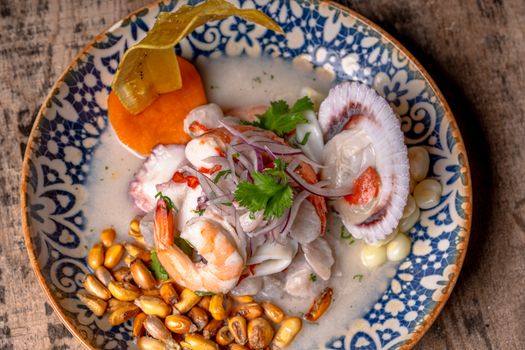
Photo: Nano Erdozain / Pexels
Mexican
Ceviche de Camarón
The diets react (see scores below)
Common Ingredients
- shrimp
- lime juice
- tomato
- red onion
- jalapeño
- cucumber
- cilantro
- avocado
Specific recipes may vary.
Incompatible with 2 of 11 diets
Diet Ratings
Ceviche de Camarón is a moderately keto-friendly dish with some considerations. Shrimp is an excellent lean protein with virtually zero carbs. Avocado adds healthy fats, which is a strong keto positive. The problematic elements are cumulative: lime juice contributes sugars (roughly 5-7g net carbs per ¼ cup), tomato adds ~3-4g net carbs per medium tomato, and red onion contributes ~2-3g net carbs per quarter cup. Combined across a standard serving, the dish can land in the 10-15g net carb range, which is manageable within a daily keto budget but requires portion awareness. Jalapeño, cucumber, and cilantro are low-carb and non-issues. The dish is unprocessed and whole-food based, which aligns with keto principles. With portion control—particularly limiting lime juice volume and tomato quantity—this dish can fit within a keto framework, but it's not a freely-eat food.
Strict keto practitioners may flag this dish due to the combined carb load from lime juice and tomato, arguing that the cumulative effect across a meal with other foods makes ketosis harder to maintain, especially for metabolically sensitive individuals. Some clinical keto protocols would recommend eliminating tomato entirely and minimizing lime juice to make this dish reliably keto.
Ceviche de Camarón is centered on shrimp as its primary protein, which is unambiguously an animal product (seafood). Despite the otherwise plant-based supporting ingredients — lime juice, tomato, red onion, jalapeño, cucumber, cilantro, and avocado — the inclusion of shrimp makes this dish incompatible with a vegan diet under any mainstream vegan framework. Shrimp are animals, and their consumption is excluded by all major vegan organizations including the Vegan Society and PETA.
Ceviche de Camarón is an excellent paleo dish. Every ingredient — shrimp, lime juice, tomato, red onion, jalapeño, cucumber, cilantro, and avocado — is whole, unprocessed, and squarely within the Paleolithic food framework. Shrimp is a high-quality animal protein available to coastal hunter-gatherers. Lime juice acts as the natural acid 'cooking' agent and is simply squeezed fruit. The remaining ingredients are all fresh vegetables and fruit with no grains, legumes, dairy, seed oils, refined sugar, or additives present. This dish is essentially a raw seafood and vegetable preparation — arguably one of the most ancestrally authentic meal formats possible.
Ceviche de Camarón aligns exceptionally well with Mediterranean diet principles. Shrimp is a lean seafood that fits the recommended 2-3 times weekly fish and seafood guideline. The dish is packed with Mediterranean-friendly vegetables and plant foods: tomato, red onion, jalapeño, cucumber, and cilantro all mirror the vegetable-forward emphasis of the diet. Avocado provides heart-healthy monounsaturated fats analogous to olive oil's role. Lime juice is a whole, natural acid with no added sugars. There are no refined grains, processed ingredients, red meat, or added sugars. The overall profile — lean seafood, abundant fresh vegetables, healthy fat from avocado, minimal processing — is essentially what the Mediterranean diet prescribes, despite being a Mexican dish rather than a traditionally Mediterranean one.
Ceviche de Camarón is almost entirely incompatible with the carnivore diet. While shrimp is a fully approved animal protein, it represents only a minor portion of this dish. The overwhelming majority of ingredients are plant-derived: tomato, red onion, jalapeño, cucumber, cilantro, and avocado are all excluded vegetables/fruits on carnivore. Lime juice, while used in small quantities as an acid marinade, is also plant-derived. This dish is fundamentally a plant-forward preparation that uses shrimp as a secondary component within a vegetable-and-citrus base. No carnivore practitioner — strict or liberal — would consider this dish compatible. The shrimp itself could be isolated and consumed, but the dish as prepared and served is definitively off-limits.
Ceviche de Camarón as described is fully Whole30 compliant. Every ingredient — shrimp, lime juice, tomato, red onion, jalapeño, cucumber, cilantro, and avocado — is a whole, unprocessed food explicitly allowed on the program. Shrimp is seafood (approved protein), lime juice is 100% fruit juice (approved per 2024 guidance in any context), and all remaining ingredients are fresh vegetables, herbs, and a natural fat (avocado). There are no excluded ingredients whatsoever. This dish represents exactly the kind of whole, nutrient-dense meal the Whole30 program is designed to encourage.
Ceviche de Camarón contains several low-FODMAP-friendly ingredients (shrimp, lime juice, tomato, jalapeño, cucumber, cilantro) but is complicated by two dose-dependent ingredients: red onion and avocado. Red onion is high in fructans and is high-FODMAP even at small servings (Monash rates it as high-FODMAP at just 28g/~1/4 small onion). Avocado is low-FODMAP only at 1/8 of a fruit (~30g) and becomes high-FODMAP (sorbitol) at larger, more typical servings. In a standard restaurant or home ceviche portion, both red onion and avocado are almost certainly present in amounts that exceed safe FODMAP thresholds. Shrimp is unambiguously low-FODMAP as a plain protein, and lime juice, tomato (up to ~75g), cucumber (~75g), jalapeño, and cilantro are all low-FODMAP at typical ceviche quantities. The dish can be made low-FODMAP with modifications (omit red onion, limit avocado to 1/8 fruit or omit), but as standardly prepared it poses meaningful FODMAP risk.
Monash University would rate several individual ingredients as conditionally safe at controlled portions, but clinical FODMAP practitioners typically flag red onion as a near-universal avoid during strict elimination regardless of amount, and would counsel patients to skip this dish entirely or request it onion-free with avocado strictly limited, since portion control in practice is unreliable.
Ceviche de Camarón as prepared here is well-aligned with DASH diet principles. Shrimp is a lean, low-saturated-fat protein source rich in potassium and magnesium. The dish is dominated by DASH-core vegetables and fruits — tomato, red onion, cucumber, jalapeño, and lime juice — all of which contribute potassium, magnesium, fiber, and antioxidants with virtually no sodium. Avocado adds heart-healthy monounsaturated fats, potassium, and fiber, consistent with DASH's emphasis on healthy fats. Cilantro is a negligible-sodium herb. The primary concern is shrimp's natural sodium content (~200mg per 3oz serving) and its dietary cholesterol, though the overall dish sodium level remains moderate compared to processed foods. No added salt is listed, which is favorable. The preparation method (acid-marination rather than cooking with oils or salt) keeps the dish light and DASH-friendly.
NIH DASH guidelines historically emphasized limiting dietary cholesterol and were cautious about shellfish like shrimp due to their cholesterol content; however, updated clinical interpretations following the 2020-2025 Dietary Guidelines — which removed the 300mg/day cholesterol cap — now consider shrimp acceptable in DASH contexts given its low saturated fat profile, though conservative cardiologists may still advise moderation for high-risk patients.
Ceviche de Camarón is an exceptionally well-balanced Zone meal. Shrimp is a lean, low-fat protein that fits cleanly into Zone protein blocks (roughly 7g protein per ounce). The carbohydrate sources — tomato, red onion, jalapeño, cucumber, and lime juice — are all low-glycemic, colorful vegetables and citrus that align perfectly with Zone's preferred 'favorable' carbohydrate list. Avocado provides the fat component as a near-ideal monounsaturated fat source, exactly what Dr. Sears recommends. Cilantro and jalapeño contribute polyphenols and anti-inflammatory compounds, further supporting Zone's anti-inflammatory framework. The dish naturally assembles close to a 40/30/30 macronutrient ratio without significant manipulation. There are no high-glycemic carbs, no saturated fat concerns, no processed ingredients, and no omega-6-heavy oils. The only minor adjustment needed is portion-sizing the avocado to stay within the 10–15g fat target per meal, and ensuring shrimp quantity hits the ~25g protein target. This dish is essentially a Zone diet showpiece.
Ceviche de Camarón is a largely anti-inflammatory dish. Shrimp provides lean protein and contains some omega-3 fatty acids (though lower than fatty fish like salmon), along with selenium and astaxanthin — a potent antioxidant carotenoid. Lime juice delivers vitamin C and flavonoids that support antioxidant activity. Avocado contributes heart-healthy monounsaturated fats and oleic acid, which parallel the anti-inflammatory profile of olive oil. Tomato offers lycopene and other carotenoids; red onion supplies quercetin, a well-studied anti-inflammatory flavonoid; jalapeño provides capsaicin, which inhibits NF-κB inflammatory pathways; cucumber adds hydration and minor antioxidants; and cilantro contributes polyphenols. There are no refined carbohydrates, seed oils, added sugars, or processed ingredients. The dish is high in fiber, rich in diverse antioxidants, and very low in saturated fat. The only mild caveats: shrimp contains some arachidonic acid and dietary cholesterol, which some practitioners flag, and tomatoes and jalapeño are nightshades, a minor consideration for autoimmune-sensitive individuals. Overall, this dish aligns strongly with anti-inflammatory principles.
Autoimmune Protocol (AIP) advocates such as Dr. Tom O'Bryan would flag the tomato and jalapeño as nightshades containing solanine and capsaicin compounds potentially irritating to individuals with leaky gut or autoimmune conditions. Additionally, some anti-inflammatory practitioners (notably those following stricter seafood hierarchies) note that shrimp's arachidonic acid content is mildly pro-inflammatory compared to omega-3-rich fatty fish, though mainstream anti-inflammatory guidance including Dr. Weil's framework accepts shrimp in moderation.
Ceviche de Camarón is a strong GLP-1-friendly dish. Shrimp is a lean, high-protein seafood delivering roughly 18-20g of protein per 3 oz serving with very low fat, making it ideal for meeting daily protein targets without triggering nausea or reflux. The preparation is acid-marinated rather than cooked in oil or fat, so it is light and easy to digest. Tomato, cucumber, red onion, and cilantro add fiber, micronutrients, and high water content — supporting hydration and digestion. Lime juice aids palatability and adds vitamin C. The one moderate concern is avocado, which contributes healthy unsaturated fat but also increases caloric density and fat per serving; in a standard ceviche portion this is acceptable, but larger avocado additions could worsen nausea in sensitive patients. Jalapeño is a mild-to-moderate spice that most patients tolerate in small amounts, though those with active reflux or heightened GI sensitivity on GLP-1s should request it reduced or omitted. Overall this dish is nutrient-dense, protein-forward, low in saturated fat, and portion-friendly — well aligned with GLP-1 dietary priorities.
Some GLP-1-focused dietitians flag jalapeño and acidic lime-heavy preparations as potential reflux or nausea triggers in patients with delayed gastric emptying, particularly in the first weeks of dose escalation; those patients may tolerate a milder, less acidic version better. Avocado quantity is also debated — a few tablespoons is fine, but a generous addition meaningfully raises fat load and some clinicians prefer to avoid added fat sources when GI side effects are active.
*See how scores were generated at our methodology page.
Nutritional profile
Six traits that cut across every diet.
Fiber & Plants
How much whole-plant food and fiber it delivers.
Healthy Fats
The quality of its fats (unsaturated, omega-3).
Whole / Unprocessed
How close it is to its natural, unprocessed form.
Gut Gentle
How easy it is on digestion (low FODMAP, few irritants).
Low Glycemic
How little it spikes your blood sugar.
Protein Density
How much protein it packs per calorie.
Controversy Index
Higher controversy = more disagreement between diets.
Diet-Specific Tips
 Keto — 5/10
View tips
- Shrimp is zero-carb, high-quality protein
- Avocado provides healthy monounsaturated fats
- Lime juice contributes meaningful sugar (~5-7g net carbs per ¼ cup used)
- Tomato adds 3-4g net carbs per serving
- Red onion contributes additional carbs (~2-3g)
- Cumulative net carbs per serving estimated at 10-15g — manageable but not negligible
- Dish is whole-food, unprocessed — strong keto alignment in food quality
- Portion control of lime juice and tomato is key for strict keto adherence
 Paleo — 9/10
View tips
- Shrimp is a clean, unprocessed animal protein fully approved on paleo
- Lime juice is pure squeezed fruit with no additives
- Tomato, red onion, jalapeño, and cucumber are all non-starchy vegetables
- Avocado provides healthy monounsaturated fat — a paleo staple
- Cilantro is a natural herb with no concerns
- No grains, legumes, dairy, seed oils, refined sugar, or processed ingredients present
- Preparation method (acid maceration) is ancestrally plausible and uses no industrial processing
 Mediterranean — 9/10
View tips
- Shrimp is lean seafood, fulfilling the 2-3x weekly fish/seafood recommendation
- Tomato, cucumber, red onion, and jalapeño are nutrient-dense vegetables consistent with plant-forward principles
- Avocado provides heart-healthy monounsaturated fats complementary to olive oil
- No refined grains, added sugars, or processed ingredients
- Lime juice adds flavor with no caloric or glycemic burden
- No red meat or saturated fat sources present
 Whole30 — 9/10
View tips
- Shrimp is a compliant seafood protein
- Lime juice is 100% fruit juice, explicitly compatible in any context per current Whole30 rules
- All vegetables (tomato, red onion, jalapeño, cucumber) are fully approved
- Cilantro is a compliant fresh herb
- Avocado provides compliant natural fat
- No grains, dairy, legumes, added sugars, or other excluded ingredients present
- Whole, minimally processed ingredients align perfectly with the program's spirit
 Low-FODMAP — 5/10
View tips
- Red onion is high-FODMAP (fructans) even at small servings — a significant concern in any standard preparation
- Avocado is low-FODMAP only at 1/8 fruit (~30g) due to sorbitol; standard ceviche servings typically exceed this threshold
- Shrimp is low-FODMAP and safe as a protein source
- Lime juice, tomato, cucumber, jalapeño, and cilantro are all low-FODMAP at typical ceviche portions
- Dish can be made elimination-safe by omitting red onion and strictly limiting avocado, but as standardly served it is likely high-FODMAP
 DASH — 8/10
View tips
- Shrimp is a lean protein with low saturated fat, fitting DASH lean protein guidance
- No added salt listed; sodium comes only from shrimp's natural content (~200mg/3oz), keeping dish moderate
- Tomato, cucumber, red onion, and jalapeño are DASH-approved vegetables rich in potassium, magnesium, and fiber
- Avocado provides heart-healthy monounsaturated fats and potassium, consistent with DASH healthy fat guidance
- Lime juice adds vitamin C and flavor without sodium, reducing need for added salt
- Shrimp contains dietary cholesterol (~170mg/3oz), a point of historical DASH caution though less emphasized in current guidelines
- No saturated fat, trans fat, added sugar, or high-sodium processed ingredients present
 Zone — 9/10
View tips
- Shrimp is a lean protein — ideal Zone protein block source with minimal saturated fat
- All carbohydrate sources (tomato, cucumber, red onion, jalapeño, lime) are low-glycemic and 'favorable' in Zone terminology
- Avocado provides monounsaturated fat — the preferred fat type in Zone Diet
- No processed ingredients, no refined carbohydrates, no high-glycemic foods
- Strong anti-inflammatory profile: omega-3s from shrimp, polyphenols from vegetables and cilantro
- Avocado portion should be monitored to keep fat blocks in the 10–15g range per meal
- Natural macronutrient ratio closely approximates 40/30/30 without significant adjustment
 Anti-Inflammatory — 8/10
View tips
- Shrimp provides lean protein, selenium, and astaxanthin (anti-inflammatory carotenoid)
- Avocado adds monounsaturated fats with anti-inflammatory oleic acid
- Red onion supplies quercetin, a potent anti-inflammatory flavonoid
- Jalapeño provides capsaicin, an NF-κB inhibitor
- Tomato contributes lycopene and carotenoids
- Lime juice delivers vitamin C and antioxidant flavonoids
- No refined carbohydrates, seed oils, or added sugars
- Nightshade ingredients (tomato, jalapeño) may be a concern for autoimmune-sensitive individuals
- Shrimp contains modest arachidonic acid — lower omega-3 profile than fatty fish
 GLP-1 Friendly — 8/10
View tips
- High lean protein from shrimp (~18-20g per 3 oz serving)
- No added oil or frying — light, easy-to-digest preparation
- Cucumber and tomato add hydration support and fiber
- Avocado provides healthy unsaturated fat but increases fat load — portion-sensitive
- Jalapeño may worsen reflux or nausea in GI-sensitive patients
- Lime juice acidity could aggravate reflux in some patients during dose escalation
- Nutrient-dense per calorie — well suited for reduced-appetite eating
- Works well as a small meal or protein-rich snack portion