The diets react (see scores below)
Diet Ratings
Dried chili pepper with minimal carbs per serving (1-2g net carbs per tablespoon). No added sugars, high in antioxidants. Used in small quantities as a spice/flavoring.
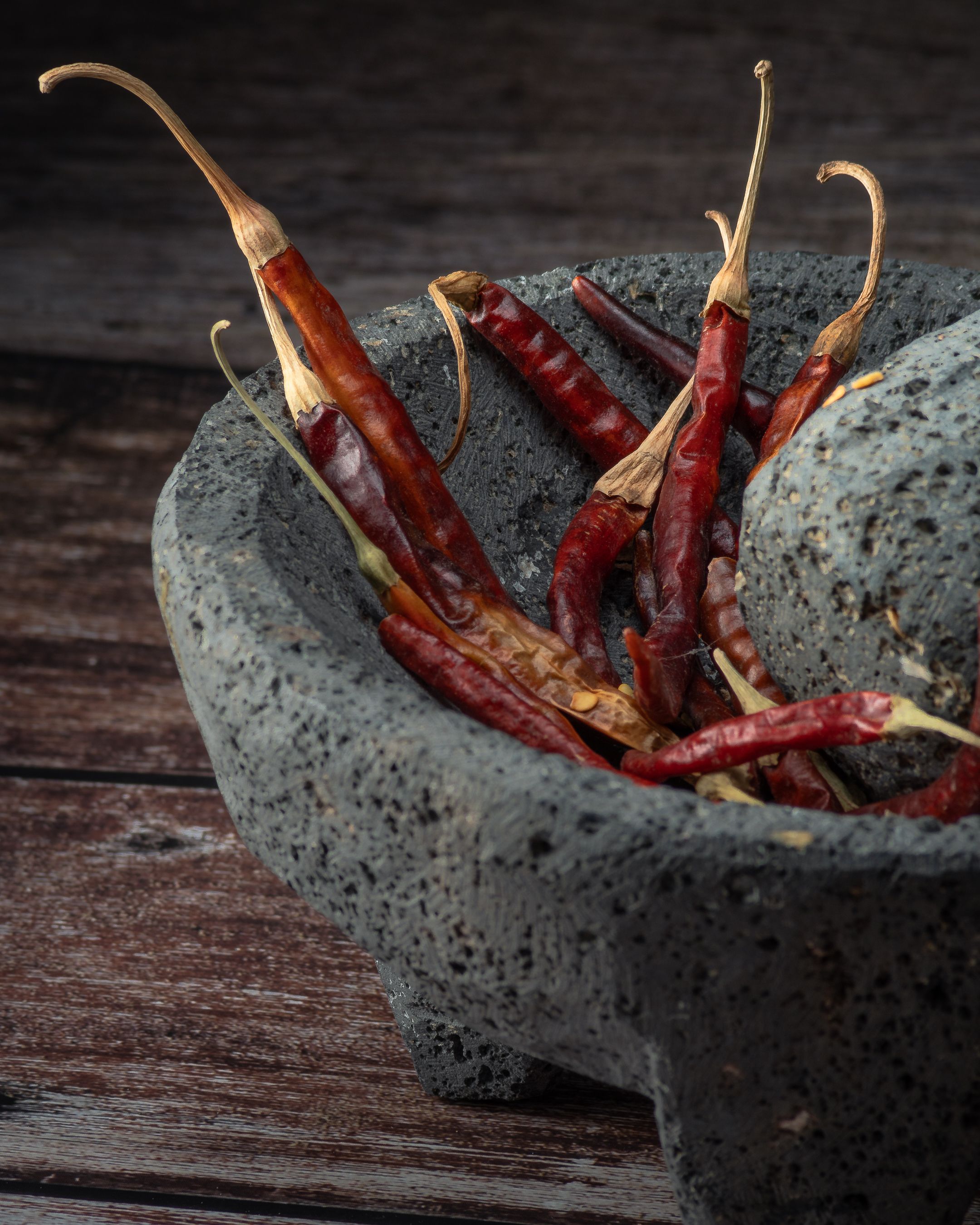
Aji panca is a dried chili pepper with no animal products or derivatives. It is a whole plant food commonly used in Peruvian cuisine.
Dried chili pepper used as a spice/seasoning. Unprocessed plant food available to hunter-gatherers. No grains, legumes, dairy, or seed oils involved.
Aji panca is a dried chili pepper from Peru, not native to Mediterranean cuisine. However, it is a whole, minimally processed plant food with no added sugars or unhealthy fats. It can be used as a seasoning in moderation to enhance Mediterranean dishes, but it is not a traditional staple.
Some modern Mediterranean diet interpretations embrace global spices and chili peppers as flavor enhancers that support the plant-forward ethos, particularly in contemporary Mediterranean cooking that incorporates diverse culinary traditions.
Aji panca is a dried chili pepper, a plant-derived food. Carnivore diet excludes all plant foods including spices and peppers.
Aji panca is a dried chili pepper with no added ingredients. Pure spices and dried peppers are Whole30 compliant.
Aji panca is a dried chili pepper with no significant FODMAP content. Dried peppers are low in fermentable carbohydrates and contain minimal fructans, GOS, lactose, or polyols.
Dried chili pepper with minimal sodium, rich in vitamin C and antioxidants. Low calorie, no added sugars or saturated fat. Aligns with DASH emphasis on vegetables and spices for flavor without sodium.
Dried chili pepper with minimal carbohydrates and no sugar. Low-glycemic, nutrient-dense seasoning that fits Zone protocol. Provides polyphenols and anti-inflammatory compounds aligned with Sears' anti-inflammatory focus.
Aji panca is a dried chili pepper rich in capsaicinoids and carotenoids with demonstrated anti-inflammatory properties. Chili peppers reduce inflammatory markers (CRP, TNF-α) and contain polyphenols. As a whole spice used in cooking, it aligns with anti-inflammatory principles emphasizing herbs and spices.
Aji panca is a dried chili pepper used as a spice/condiment. In small amounts (as a spice), it's low-calorie and nutrient-dense. However, it has moderate heat that may trigger reflux or nausea in GLP-1 patients, especially on an empty stomach or when GI sensitivity is high. Used as a flavoring agent in appropriate portions, it's acceptable; used liberally or in concentrated form, it risks worsening side effects.
Some GLP-1 RDs permit moderate spice use without restriction, arguing that individual tolerance varies widely and many patients tolerate chili peppers well. Others recommend strict avoidance of all spicy foods during the first 4-6 weeks of GLP-1 therapy when nausea is most common.
Nutritional profile
Six traits that cut across every diet.
Fiber & Plants
How much whole-plant food and fiber it delivers.
Healthy Fats
The quality of its fats (unsaturated, omega-3).
Whole / Unprocessed
How close it is to its natural, unprocessed form.
Gut Gentle
How easy it is on digestion (low FODMAP, few irritants).
Low Glycemic
How little it spikes your blood sugar.
Protein Density
How much protein it packs per calorie.
Controversy Index
Score range: 1–9/10. Higher controversy = more disagreement between diets.
Diet-Specific Tips for Aji panca
 Keto — 9/10
- Very low net carbs
- Whole food spice
- No added sugars
- Small serving sizes typical
 Vegan — 9/10
- Whole plant food
- No animal ingredients
- Dried chili pepper
 Paleo — 9/10
- Unprocessed dried pepper
- Used as spice in small quantities
- No additives or processing
 Mediterranean — 5/10
- whole plant food
- no added sugars or unhealthy fats
- not traditional to Mediterranean region
- used as seasoning in small quantities
 Whole30 — 9/10
- Dried chili pepper
- No added sugar or additives
- Whole spice
 Low-FODMAP — 8/10
- Dried chili pepper
- No added sugars or high-FODMAP ingredients
- Minimal fermentable carbohydrates
 DASH — 8/10
- Low sodium
- Rich in antioxidants
- No added sugars
- Minimal saturated fat
 Zone — 8/10
- Low glycemic index
- Minimal carbohydrate content
- Anti-inflammatory polyphenols
- Zero macronutrient blocks required for typical seasoning portions
 Anti-Inflammatory — 8/10
- capsaicinoids
- carotenoids
- polyphenols
- reduces inflammatory markers
 GLP-1 Friendly — 5/10
- Moderate heat may trigger reflux/nausea
- Minimal calories and carbs when used as spice
- Portion-dependent; small amounts acceptable