The diets react (see scores below)
Diet Ratings
Dried chili pepper with approximately 1-2g net carbs per tablespoon when used as a spice. Whole food, no additives. Minimal impact on daily carb budget.
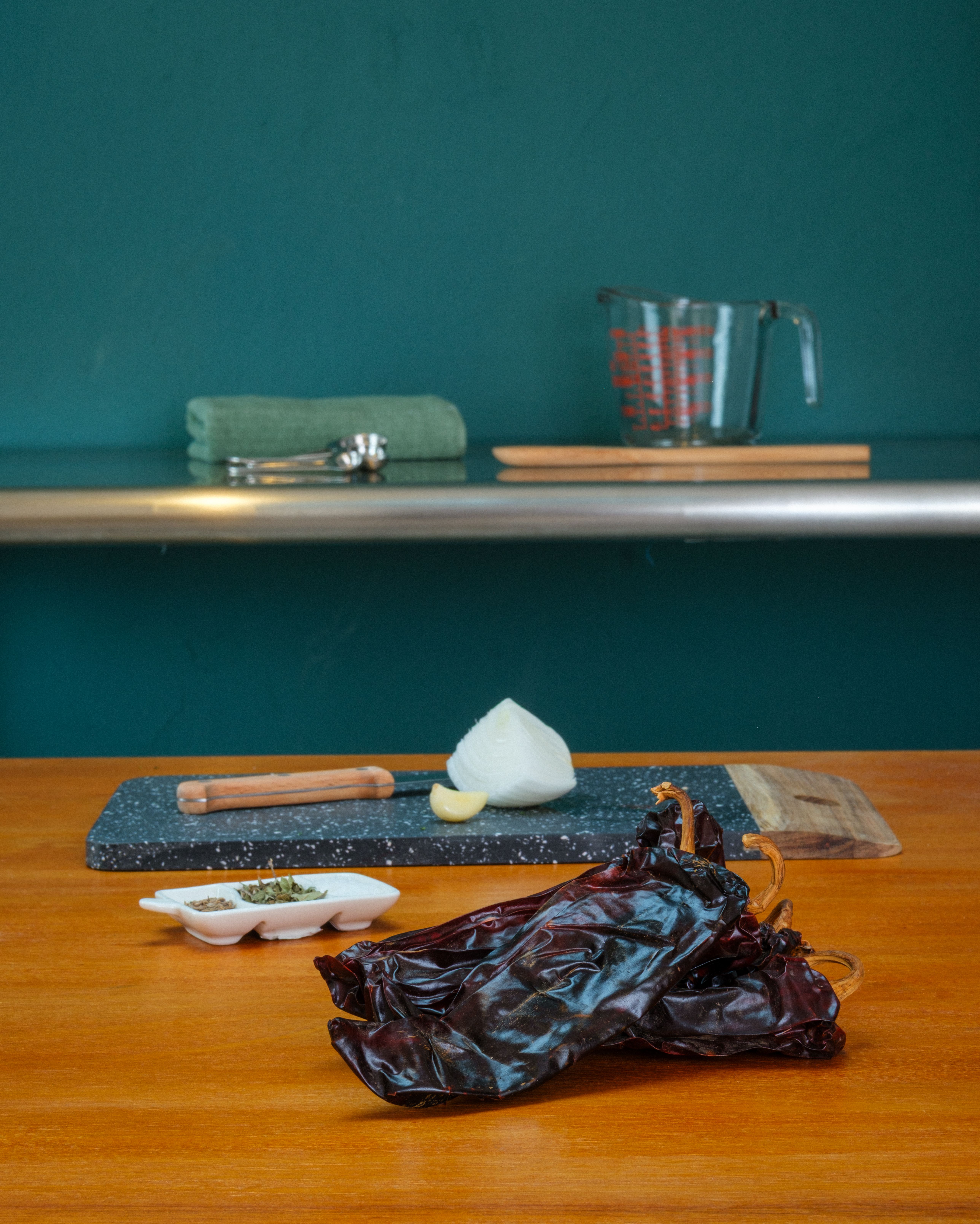
Ancho chiles are dried poblano peppers with no animal products or derivatives. They are a whole plant food used in Mexican cuisine.
Dried poblano peppers used as spice/seasoning. Unprocessed plant food with no additives. Consistent with paleo herb and spice guidelines.
Ancho chiles are dried poblano peppers from Mexico, not traditional to Mediterranean cuisine. Like aji panca, they are whole, unprocessed plant foods suitable for seasoning. They can enhance Mediterranean dishes but are not core staples of the diet.
Modern Mediterranean diet practitioners increasingly incorporate global chili peppers and spices as part of a plant-forward, whole-food approach that aligns with Mediterranean principles, even if not historically traditional.
Ancho chiles are dried poblano peppers, plant-derived. Carnivore diet excludes all plant foods and spices.
Ancho chiles are dried poblano peppers with no added ingredients. Pure dried peppers are Whole30 compliant.
Ancho chiles are dried poblano peppers with negligible FODMAP content. Like all dried peppers, they contain minimal fermentable carbohydrates and are safe during the elimination phase.
Dried chili pepper with negligible sodium and added sugars. Good source of vitamin A and antioxidants. Supports DASH goal of using herbs and spices for flavor without sodium.
Dried chili pepper with negligible carbohydrates and calories in typical seasoning portions. Low-glycemic, polyphenol-rich, and supports anti-inflammatory Zone principles.
Ancho chiles are dried poblano peppers containing capsaicin, carotenoids (including lycopene), and polyphenols. They have anti-inflammatory and antioxidant properties. Like other chili peppers, they reduce inflammatory markers and fit the anti-inflammatory emphasis on spices and herbs.
Ancho chiles are dried poblano peppers with mild-to-moderate heat. Similar to aji panca, they're low in calories and can add flavor without significant macronutrient impact. However, the capsaicin content may worsen reflux, nausea, or bloating in GLP-1 patients. Acceptable in small amounts as a seasoning or sauce base, but not as a primary food component.
Some clinicians note that ancho chiles are milder than fresh jalapeños and tolerate well in most GLP-1 patients after the initial adjustment phase. Others recommend avoiding all chili peppers during early treatment.
Nutritional profile
Six traits that cut across every diet.
Fiber & Plants
How much whole-plant food and fiber it delivers.
Healthy Fats
The quality of its fats (unsaturated, omega-3).
Whole / Unprocessed
How close it is to its natural, unprocessed form.
Gut Gentle
How easy it is on digestion (low FODMAP, few irritants).
Low Glycemic
How little it spikes your blood sugar.
Protein Density
How much protein it packs per calorie.
Controversy Index
Score range: 1–9/10. Higher controversy = more disagreement between diets.
Diet-Specific Tips for Ancho chiles
 Keto — 9/10
- Very low net carbs per serving
- Whole dried pepper
- No added sugars
- Typical use in small amounts
 Vegan — 9/10
- Whole plant food
- No animal ingredients
- Dried chili pepper
 Paleo — 9/10
- Unprocessed dried pepper
- Spice/seasoning use
- No processing or additives
 Mediterranean — 5/10
- whole plant food
- minimal processing
- not Mediterranean origin
- used as seasoning
 Whole30 — 9/10
- Dried chili pepper
- No added sugar or additives
- Whole spice
 Low-FODMAP — 8/10
- Dried chili pepper
- Low fermentable carbohydrate content
- No lactose, excess fructose, or polyols
 DASH — 8/10
- Low sodium
- Rich in vitamin A
- Antioxidant content
- No added fats
 Zone — 8/10
- Low glycemic index
- Minimal net carbohydrates
- Anti-inflammatory compounds
- Negligible macronutrient impact in typical use
 Anti-Inflammatory — 8/10
- capsaicin
- carotenoids
- lycopene
- polyphenols
- antioxidant
 GLP-1 Friendly — 5/10
- Mild-to-moderate heat; lower risk than fresh chiles
- Minimal macronutrient contribution
- May worsen reflux in sensitive patients