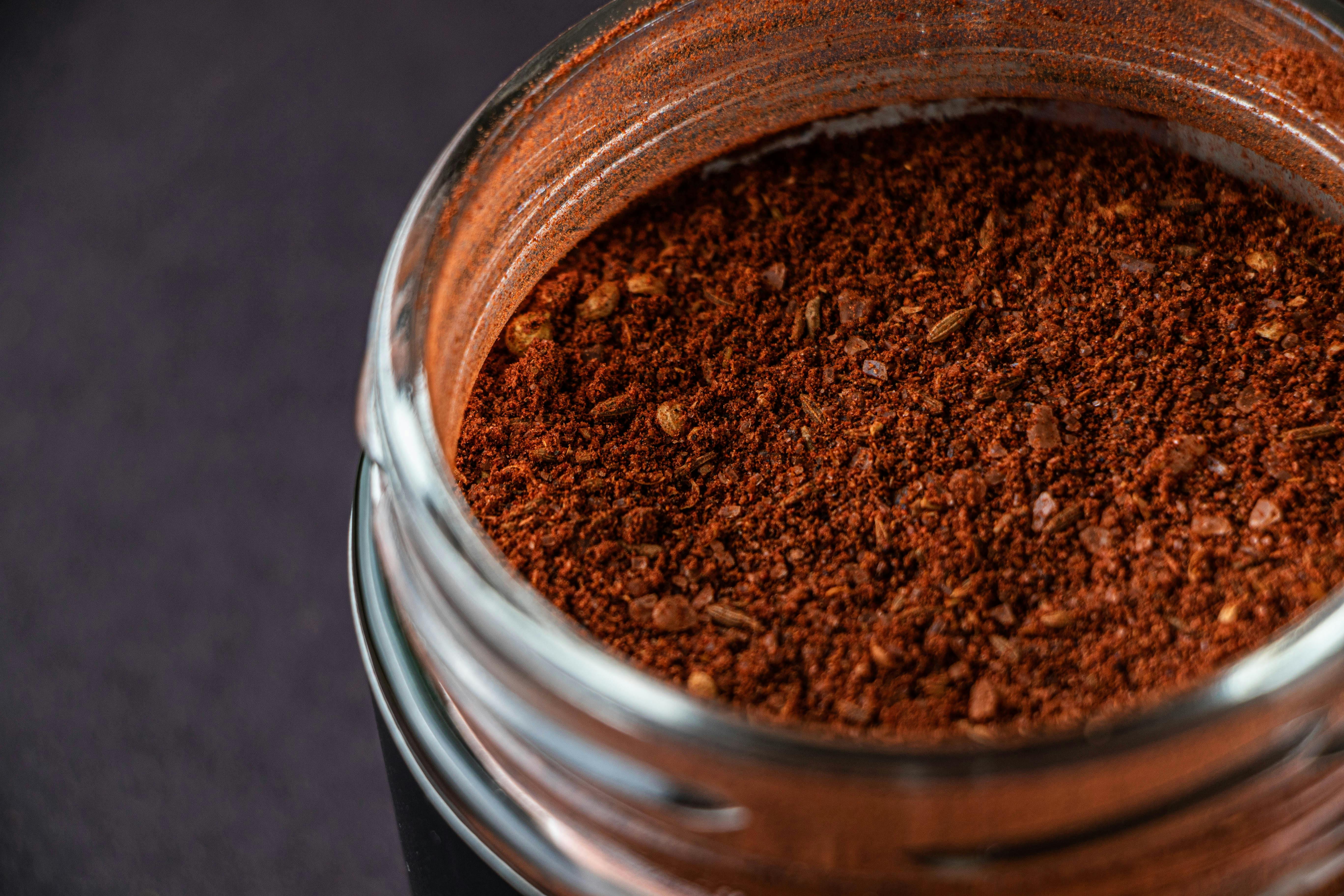
The diets react (see scores below)
Diet Ratings
Spice derived from achiote seeds with negligible carbs (less than 1g per teaspoon). Used in minimal quantities for color and mild flavor. No sugar or additives.
Annatto is a natural food coloring derived from the seeds of the achiote tree. It contains no animal products or animal-derived ingredients.
Natural food coloring derived from achiote seeds. While the seed itself is paleo-compatible, annatto is typically processed into a powder or paste for culinary use. The processing and minimal nutritional value place it in gray area.
Strict paleo practitioners may approve annatto as a natural spice derivative with no additives, similar to other seed-based seasonings. Some paleo authorities accept it without reservation.
Annatto is a natural food coloring derived from achiote seeds, used in Latin American and Asian cuisines. It is minimally processed and plant-based, but not traditional to Mediterranean cooking. In small amounts as a natural colorant, it aligns with whole-food principles.
Some Mediterranean diet authorities view any non-traditional ingredient with caution, while others accept natural plant-based colorants as compatible with the emphasis on whole, unprocessed foods.
Annatto is a plant-derived food coloring from achiote seeds. Carnivore diet excludes all plant foods and seeds.
Annatto is a natural spice derived from achiote seeds used for coloring and flavoring. It contains no excluded ingredients.
Annatto is a spice derived from achiote seeds used as a food colorant and flavoring. It contains negligible amounts of fermentable carbohydrates and is safe at typical culinary portions.
Spice derived from seeds with minimal sodium and no saturated fat. Contains antioxidants and used in small quantities for coloring. Aligns with DASH spice-based flavoring approach.
Seed-based spice with minimal carbohydrates and calories in typical seasoning portions. Low-glycemic and nutrient-dense, fitting Zone protocol as a flavoring agent.
Annatto (achiote) is a seed-based spice with some antioxidant compounds (bixin, norbixin) but limited research on anti-inflammatory effects in typical culinary amounts. It is not inherently inflammatory but lacks strong evidence of anti-inflammatory benefit. Used in small amounts as a coloring agent, it is neutral to slightly beneficial.
Some sources classify annatto as a minor antioxidant spice with potential benefits, while others note insufficient research to claim meaningful anti-inflammatory effects at typical culinary doses.
Annatto (achiote) is a seed-based spice used for color and mild flavor. It contributes negligible calories, fat, protein, and carbs—essentially a zero-impact seasoning. It does not trigger GI distress, is easy to digest, and adds nutritional interest without compromising GLP-1 goals. Ideal for flavoring without side effects.
Nutritional profile
Six traits that cut across every diet.
Fiber & Plants
How much whole-plant food and fiber it delivers.
Healthy Fats
The quality of its fats (unsaturated, omega-3).
Whole / Unprocessed
How close it is to its natural, unprocessed form.
Gut Gentle
How easy it is on digestion (low FODMAP, few irritants).
Low Glycemic
How little it spikes your blood sugar.
Protein Density
How much protein it packs per calorie.
Controversy Index
Score range: 1–9/10. Higher controversy = more disagreement between diets.
Diet-Specific Tips for Annatto
 Keto — 9/10
- Negligible carbs
- Whole food spice
- Minimal serving sizes
- No added ingredients
 Vegan — 9/10
- Plant-based food coloring
- No animal ingredients
- Whole plant seed derivative
 Paleo — 5/10
- Derived from seeds (paleo-compatible source)
- Processed into powder/paste form
- Minimal nutritional content
- Natural coloring agent
 Mediterranean — 5/10
- plant-based natural colorant
- minimal processing
- not Mediterranean traditional
- used in very small quantities
 Whole30 — 9/10
- Natural spice
- No added sugar or additives
- Whole food derivative
 Low-FODMAP — 9/10
- Spice/colorant with minimal carbohydrate content
- Used in small quantities
- No FODMAP-relevant compounds
 DASH — 7/10
- Minimal sodium
- No saturated fat
- Antioxidant properties
- Used in small portions
 Zone — 8/10
- Minimal carbohydrate content
- Low glycemic index
- Negligible macronutrient blocks in typical portions
- Polyphenol content
 Anti-Inflammatory — 5/10
- limited anti-inflammatory research
- minor antioxidant compounds
- typically used in small amounts
 GLP-1 Friendly — 8/10
- Negligible caloric/macronutrient impact
- No known GI side effects
- Adds flavor without risk