The diets react (see scores below)
Diet Ratings
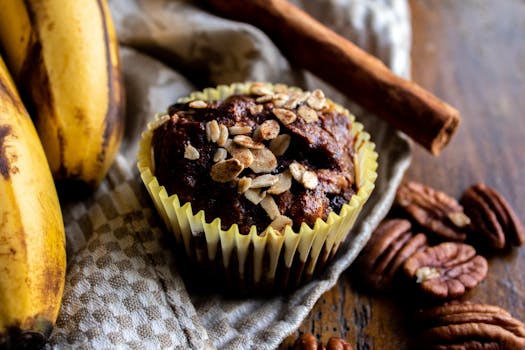
Banana muffins combine refined flour, banana (15-20g carbs), and added sugar. Typically 35-45g net carbs per muffin, exceeding entire daily keto allowance.
Most banana muffins contain eggs and dairy (butter or milk). Some vegan versions exist using plant-based substitutes. Requires ingredient verification.
Some vegans accept commercially-made vegan muffins as fully compliant if certified plant-based, while others prefer homemade versions to ensure no cross-contamination.
Muffins are made with wheat flour (grain), typically contain added sugar, and often include dairy. Even though banana is paleo-approved, the muffin structure violates paleo principles through grains and processing.
Most banana muffins contain refined flour, added sugars, and oils. While banana provides some nutrients, the overall product is processed and high in added sugars, contradicting Mediterranean principles.
Banana muffins contain wheat flour, sugar, and fruit (banana). All primary ingredients are plant-derived and explicitly excluded from carnivore diet.
Muffins are explicitly prohibited under 'no recreating baked goods.' Additionally, typical banana muffins contain grains, added sugar, and often dairy.
Banana muffins contain wheat flour (fructans), often include added sugars, and may contain milk/eggs. Wheat flour is the primary high-FODMAP ingredient at any reasonable serving.
Banana provides potassium and fiber, supporting DASH principles. However, most commercial banana muffins are high in added sugars, refined flour, and often saturated fat (butter, oil). Homemade whole-grain versions with minimal added sugar are preferable.
NIH DASH guidelines focus on whole grains and minimal added sugar; updated interpretation recognizes banana's potassium benefit, but commercial muffins typically exceed recommended added sugar limits.
Banana muffins combine high-glycemic fruit (banana), refined flour, and added sugar. Bananas are explicitly discouraged in Zone (high sugar, high-glycemic). Muffins add refined carbs and often saturated fat. Minimal protein. Incompatible with Zone principles.
Most commercial banana muffins contain refined flour, added sugars, and often vegetable oils (omega-6 rich). While banana provides potassium and some fiber, the refined carbohydrate base and added sugars create net pro-inflammatory effect. Homemade versions with whole grain flour and minimal sugar would score higher.
High sugar (banana + added sugar in batter), moderate fat (oil/butter), minimal protein, low fiber relative to calorie content. Refined grain base. Poor nutrient density and triggers blood sugar spikes. Minimal satiety value.
Nutritional profile
Six traits that cut across every diet.
Fiber & Plants
How much whole-plant food and fiber it delivers.
Healthy Fats
The quality of its fats (unsaturated, omega-3).
Whole / Unprocessed
How close it is to its natural, unprocessed form.
Gut Gentle
How easy it is on digestion (low FODMAP, few irritants).
Low Glycemic
How little it spikes your blood sugar.
Protein Density
How much protein it packs per calorie.
Controversy Index
Score range: 1–4/10. Higher controversy = more disagreement between diets.
 Vegan
Vegan DASH
DASH