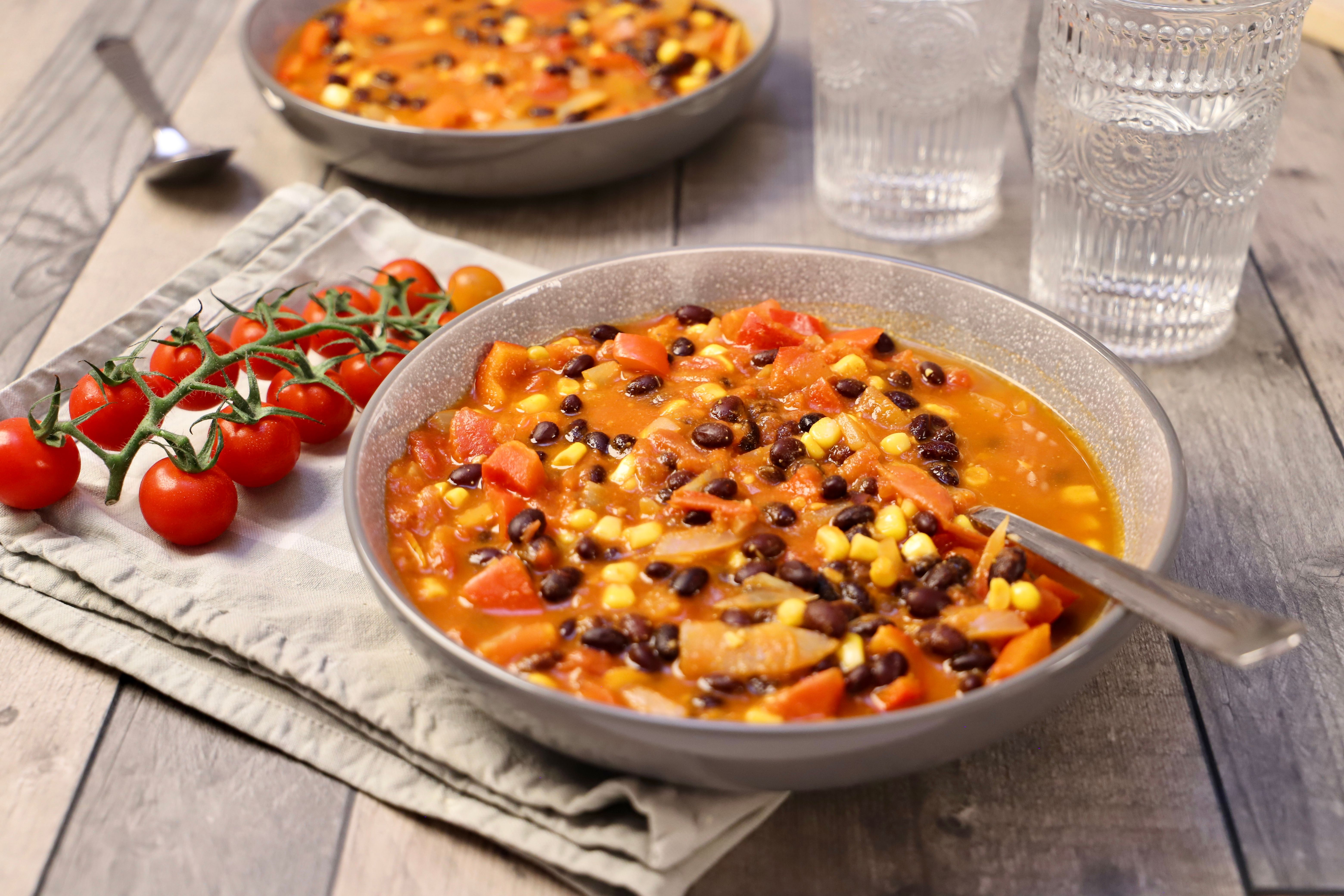
The diets react (see scores below)
Diet Ratings
Black beans are legumes with 15-20g net carbs per cup. A typical serving of soup contains 25-35g net carbs, far exceeding keto limits. Incompatible with ketosis.
Legume-based whole food that is typically vegan. High in protein and nutrients. Score reduced slightly if made with animal broth or cream, which requires verification.
Some strict vegans question whether commercially-made versions may contain animal stock or be processed with animal-derived additives, requiring ingredient verification.
Black beans are legumes, explicitly excluded from paleo diet. Soups often contain added salt and processed ingredients.
Legumes are Mediterranean staples, emphasized for daily consumption. Black beans provide fiber, plant protein, and micronutrients. Soup format aids nutrient absorption and satiety.
Black beans are legumes, which are plant-based and explicitly excluded from carnivore diet. Soup base typically contains vegetable broth, onions, garlic, and other plant ingredients. No animal-derived components justify inclusion.
Black beans are legumes (excluded). Core Whole30 violation regardless of other ingredients.
Black beans are high in GOS (galacto-oligosaccharides), a FODMAP class. Even small portions (1/2 cup cooked beans) exceed low-FODMAP threshold. Soup base often includes onion and garlic, compounding FODMAP load.
Excellent source of fiber, potassium, and plant-based protein. However, canned/restaurant versions often high in sodium (500-900mg per serving). Homemade low-sodium version is ideal.
Black beans provide fiber and plant-based protein, but are carb-dense (15-20g carbs per cup). Soup format often includes added sodium and may lack sufficient lean protein for 40/30/30 balance. Usable if portion-controlled and paired with lean protein and monounsaturated fat.
Dr. Sears initially classified legumes as acceptable carb sources due to fiber content, but later emphasized their carb density. Modern Zone guidance suggests treating beans as carb blocks rather than protein sources.
Beans and legumes are core anti-inflammatory foods, rich in fiber, polyphenols, and resistant starch. Black beans specifically contain anthocyanins (antioxidants). Whole food, minimally processed. Excellent plant-based protein and anti-inflammatory profile.
Excellent fiber (6-8g per cup), good plant-based protein (8-10g per cup), high water content supports hydration, easy to digest, and nutrient-dense. Low fat if broth-based. Supports digestive health and prevents constipation. Portion-friendly in small servings.
Nutritional profile
Six traits that cut across every diet.
Fiber & Plants
How much whole-plant food and fiber it delivers.
Healthy Fats
The quality of its fats (unsaturated, omega-3).
Whole / Unprocessed
How close it is to its natural, unprocessed form.
Gut Gentle
How easy it is on digestion (low FODMAP, few irritants).
Low Glycemic
How little it spikes your blood sugar.
Protein Density
How much protein it packs per calorie.
Controversy Index
Score range: 1–8/10. Higher controversy = more disagreement between diets.
Diet-Specific Tips for Black bean soup
 Vegan — 8/10
- Legume-based whole food
- High protein content
- Requires broth verification
- May contain added oils or salt
 Mediterranean — 8/10
- legume-based
- plant protein
- high fiber
- traditional Mediterranean ingredient
 DASH — 6/10
- High fiber
- High potassium
- Plant-based protein
- Often high sodium (canned/restaurant)
- Homemade version preferred
 Zone — 5/10
- Fiber-rich carbohydrate
- Plant-based protein incomplete
- Carb-dense
- High sodium typical
- Portion control essential
 Anti-Inflammatory — 8/10
- legumes (emphasized)
- high fiber
- polyphenols and anthocyanins
- resistant starch
- whole food
 GLP-1 Friendly — 8/10
- High fiber
- Plant-based protein
- High water content
- Low fat (if broth-based)
- Digestive support
- Nutrient-dense