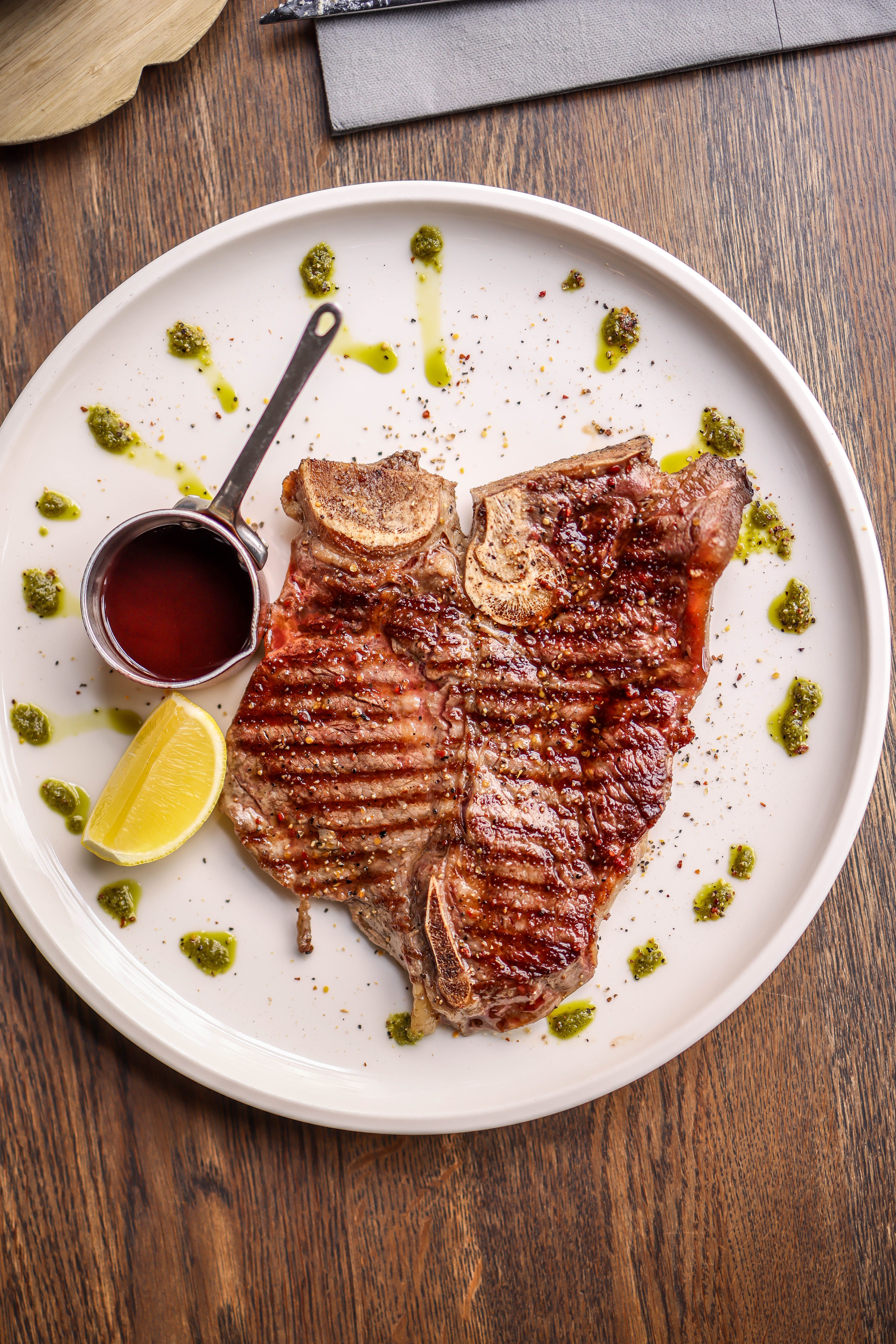
The diets react (see scores below)
Diet Ratings
Bone-in ham often contains added sugars and nitrates in curing. Carb content varies (1-3g per 100g depending on brand/preparation). Quality matters significantly; uncured, sugar-free versions are preferable.
Strict keto practitioners avoid all processed ham due to added sugars and nitrates, preferring fresh pork; others accept quality uncured ham in moderation.
Bone-in ham is cured pork meat with bone. It is an animal product obtained through slaughter and is explicitly excluded from the vegan diet.
Bone-in ham is processed pork that is typically cured with salt and nitrates/nitrites. While the meat itself is paleo-compliant, the processing, added salt, and curing agents are problematic. Uncured, unsalted ham would be acceptable, but most commercial ham contains additives.
Some paleo practitioners, particularly those following Mark Sisson's approach, accept cured meats like ham in moderation if they are minimally processed and free from sugar. However, strict paleo authorities like Loren Cordain discourage all processed meats due to added sodium and preservatives.
Processed pork product, high in sodium and saturated fat. Processed meats contradict Mediterranean principles of whole, minimally processed foods.
Bone-in ham is pork meat with bone, which is animal-derived and acceptable. However, most commercial ham is cured with sugar, nitrates, and other additives. Quality matters significantly: uncured, sugar-free ham with minimal additives scores higher; standard commercial ham with sugar and fillers scores lower.
Strict carnivore practitioners prefer fresh pork cuts over processed/cured meats due to additive concerns. Some accept high-quality, minimally-processed ham with salt-only curing, while others avoid all processed pork products.
Bone-in ham is a processed meat product. While the meat itself is compliant, most commercial ham contains added sugar, nitrates, or other additives that violate Whole30. Some compliant versions exist (uncured, no added sugar), but the majority of ham products are non-compliant. Label reading is essential.
Official Whole30 guidance allows uncured, sugar-free ham, but the program discourages relying on processed meats and emphasizes whole foods. Community practitioners debate whether processed ham aligns with the program's spirit even when technically compliant.
Bone-in ham is processed pork that may contain added ingredients. Plain ham is low-FODMAP, but many commercial hams contain garlic, onion powder, or high-fructose corn syrup as additives. The FODMAP status depends entirely on the specific product and its ingredients. Verification is essential.
Monash rates plain pork as low-FODMAP, but processed ham products often contain hidden high-FODMAP ingredients. During elimination phase, only certified low-FODMAP or ingredient-verified ham should be used.
Processed meat very high in sodium (often 1000+ mg per 3oz serving) and saturated fat. DASH explicitly limits processed meats and sodium.
Bone-in ham is processed pork with variable fat content and typically high sodium. The meat provides protein, but processing and salt content are concerns. Saturated fat varies by cut. Can fit in Zone meals if portion-controlled and lower-sodium varieties are selected, but is not an ideal protein source.
Bone-in ham is processed red meat, typically cured with sodium nitrites and high in saturated fat. Processed meats are explicitly avoided in anti-inflammatory guidelines due to inflammatory additives, high sodium, and pro-inflammatory fat profile. Nitrites are linked to increased inflammatory markers.
Processed meat high in saturated fat (15-20g per 3 oz), sodium, and nitrates. Worsens GLP-1 side effects. Poor nutrient density relative to fat and calorie content. Processed nature adds empty calories.
Nutritional profile
Six traits that cut across every diet.
Fiber & Plants
How much whole-plant food and fiber it delivers.
Healthy Fats
The quality of its fats (unsaturated, omega-3).
Whole / Unprocessed
How close it is to its natural, unprocessed form.
Gut Gentle
How easy it is on digestion (low FODMAP, few irritants).
Low Glycemic
How little it spikes your blood sugar.
Protein Density
How much protein it packs per calorie.
Controversy Index
Score range: 1–6/10. Higher controversy = more disagreement between diets.
Diet-Specific Tips for Bone-in ham
 Keto — 5/10
- Often contains added sugars
- 1-3g net carbs per 100g (varies by brand)
- Processed meat with nitrates
- Quality/sourcing critical
 Paleo — 5/10
- Processed meat
- Added salt and nitrates
- Curing agents
- Variable quality depending on source
 Carnivore — 6/10
- pork meat (animal-derived)
- often contains sugar and additives
- processing method critical
- quality-dependent
 Whole30 — 5/10
- processed meat
- commonly contains added sugar
- often contains nitrates or curing agents
- compliant versions exist but are uncommon
 Low-FODMAP — 5/10
- Base ingredient (pork) is low-FODMAP
- Additives and seasonings may be high-FODMAP
- Product-specific verification required
- Many commercial brands contain garlic or onion
 Zone — 5/10
- processed meat
- high sodium
- variable fat content
- saturated fat present
- portion control needed