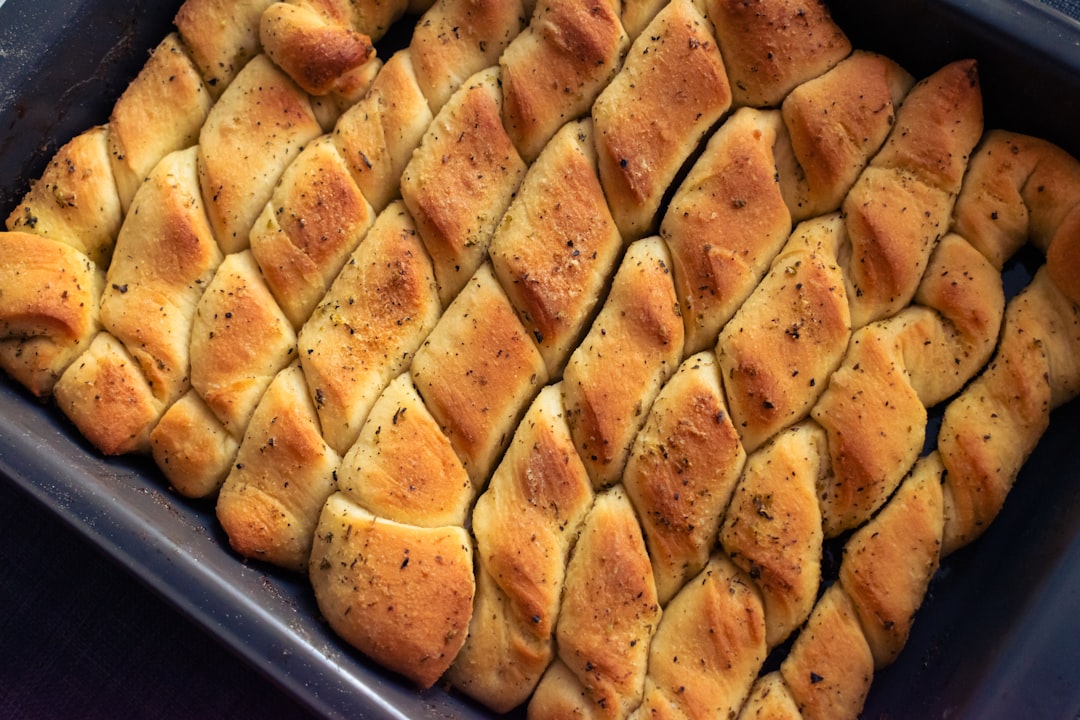
The diets react (see scores below)
Diet Ratings
Breadsticks are grain-based (wheat flour), containing 15-20g net carbs per 2-3 sticks. The bread foundation makes them fundamentally incompatible with ketosis.
Basic breadsticks made from flour, water, yeast, and oil are vegan. However, many commercial breadsticks contain dairy (butter, milk) or eggs in the dough or as toppings (parmesan cheese). Verification required.
Some strict vegans avoid all processed breadsticks due to potential hidden animal-derived additives like mono- and diglycerides, while others accept them if ingredients are verified as plant-based.
Breadsticks are made from wheat flour (grain), a core paleo exclusion. The fundamental ingredient violates paleo principles regardless of preparation method or toppings.
Breadsticks are typically made from refined grains and often contain added fats and sodium. Mediterranean diet emphasizes whole grains. Compatibility depends on whether made with whole grains and minimal added ingredients.
Whole grain breadsticks made with minimal oil and salt can be acceptable in Mediterranean diet, particularly as part of a meal with vegetables and legumes.
Breadsticks are grain-based (wheat flour) with plant-based ingredients. Completely incompatible with carnivore diet regardless of any dipping sauce.
Breadsticks are made from grain flour (wheat or other grains), explicitly excluded on Whole30. They are also a recreated grain-based food, violating the program's spirit.
Breadsticks are made from wheat flour, which contains fructans (high-FODMAP). They are typically seasoned with garlic and/or onion powder, adding to FODMAP load.
Breadsticks are typically made from refined flour (low fiber, high glycemic index) and are high in sodium from salt and often garlic salt. Whole grain versions would be better. Minimal nutritional value. Can fit DASH only if whole grain and low-sodium versions are chosen.
Breadsticks are refined flour (high-glycemic carbs) with minimal protein or healthy fat. Pure carbohydrate source with no nutritional balance. Garlic butter adds saturated fat without offsetting carb load. Incompatible with Zone 40/30/30 ratio.
Breadsticks are refined white flour (inflammatory carbohydrate), typically brushed with butter or seed oils, and often contain added sugars. Minimal fiber, protein, or micronutrients. High glycemic index promotes inflammation. Often served with inflammatory dipping sauces.
Breadsticks are refined grains with minimal protein (2-3g per stick), minimal fiber, and often high fat if buttered or oil-brushed (5-8g fat per stick). Empty calories with no nutritional density. Typically served with high-fat dipping sauces (cheese sauce, garlic butter). Provides no satiety benefit for GLP-1 patients who need every calorie to count. One of the least useful foods for GLP-1 diet.
Nutritional profile
Six traits that cut across every diet.
Fiber & Plants
How much whole-plant food and fiber it delivers.
Healthy Fats
The quality of its fats (unsaturated, omega-3).
Whole / Unprocessed
How close it is to its natural, unprocessed form.
Gut Gentle
How easy it is on digestion (low FODMAP, few irritants).
Low Glycemic
How little it spikes your blood sugar.
Protein Density
How much protein it packs per calorie.
Controversy Index
Score range: 1–6/10. Higher controversy = more disagreement between diets.
Diet-Specific Tips for Breadsticks
 Vegan — 6/10
- Base ingredients may be vegan
- Often contain butter or dairy
- Cheese toppings common
- Requires ingredient verification
- Processed food status
 Mediterranean — 4/10
- Refined vs whole grain
- Added fats and sodium
- Processing level
- Portion control important
 DASH — 4/10
- refined flour (not whole grain)
- high sodium content
- low fiber
- minimal protein or nutrients
- whole grain versions available but uncommon