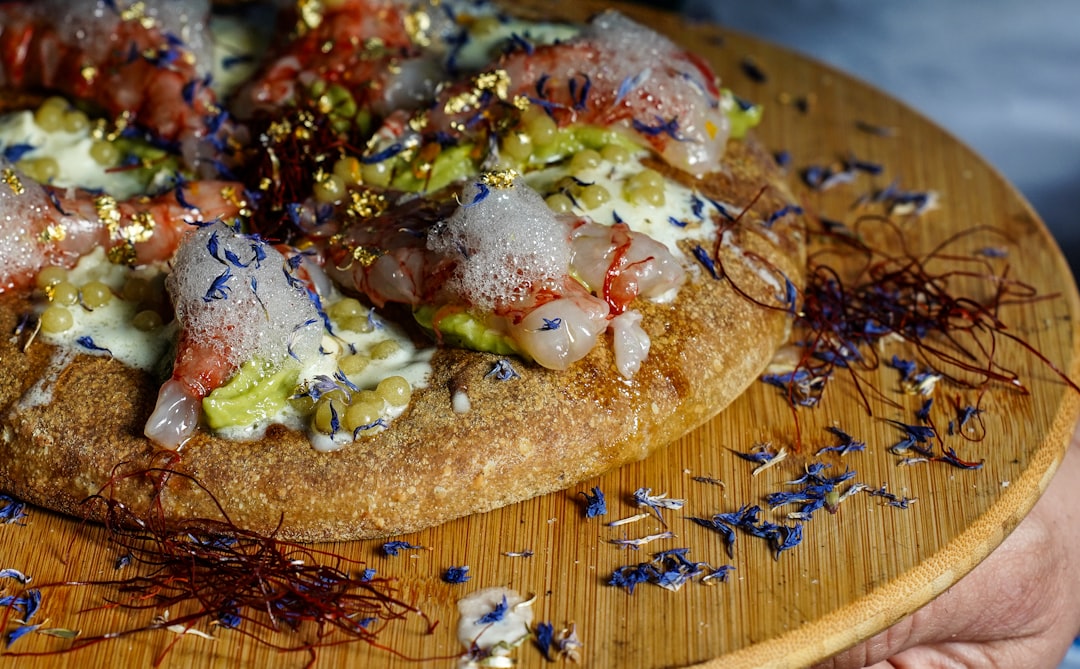
Cauliflower pizza crust
Rated by 11 diets
The diets react (see scores below)
Diet Ratings
Cauliflower is a low-carb vegetable substitute for grain-based crusts. Net carbs are minimal (2-4g per serving), and when prepared with cheese and fat, fits keto macros well.
Whole plant-based vegetable serving as grain substitute. Typically made from cauliflower, ground flaxseed or psyllium husk, and plant oils. No animal products or derivatives.
Cauliflower is paleo-approved, but commercial cauliflower crusts are typically processed with binders, starches, and additives. Homemade versions with just cauliflower, eggs, and fat are acceptable; store-bought versions often contain non-paleo ingredients.
Strict paleo practitioners avoid all pizza formats due to the cultural/processed nature, while modern paleo (Whole30-aligned) accepts homemade cauliflower crusts as a compliant vegetable-based alternative.
Cauliflower is a cruciferous vegetable emphasized in Mediterranean diet. Using it as pizza base replaces refined grains with vegetables, aligning with plant-based emphasis. Pairs well with olive oil and Mediterranean toppings.
Cauliflower is a plant-derived vegetable and explicitly excluded from carnivore diet. The crust base violates the core principle of eating only animal products.
Violates the explicit Whole30 rule against recreating baked goods and pizza, even with compliant ingredients. The spirit of Whole30 prohibits pizza in any form.
Cauliflower is low-FODMAP at standard servings (Monash: 1 cup raw = 75g is low-FODMAP). Pizza crust made from cauliflower avoids wheat fructans. Depends on added ingredients (garlic, onion must be avoided).
Cauliflower is a non-starchy vegetable rich in fiber, potassium, and vitamin C. Low in sodium and calories. Excellent DASH-aligned base when prepared without added salt or excessive oil.
Cauliflower is a non-starchy, low-glycemic vegetable ideal for Zone. Crust made from cauliflower replaces high-glycemic refined flour. When topped with lean protein and monounsaturated fat, creates excellent Zone meal. Minimal net carbs.
Cauliflower is a cruciferous vegetable rich in antioxidants and polyphenols with anti-inflammatory properties. Low in refined carbohydrates compared to wheat crust. Quality depends heavily on preparation method and toppings used.
Low-calorie, high-fiber vegetable base with minimal fat. Nutrient-dense per calorie and easy to digest. Pairs well with lean protein toppings. Portion-friendly and supports satiety without heaviness.
Nutritional profile
Six traits that cut across every diet.
Fiber & Plants
How much whole-plant food and fiber it delivers.
Healthy Fats
The quality of its fats (unsaturated, omega-3).
Whole / Unprocessed
How close it is to its natural, unprocessed form.
Gut Gentle
How easy it is on digestion (low FODMAP, few irritants).
Low Glycemic
How little it spikes your blood sugar.
Protein Density
How much protein it packs per calorie.
Controversy Index
Score range: 2–8/10. Higher controversy = more disagreement between diets.
Diet-Specific Tips for Cauliflower pizza crust
 Keto — 8/10
- Very low net carbs (2-4g per serving)
- High fat when made with cheese and oil
- Whole food base
- Portion control still applies if heavily topped
 Vegan — 8/10
- 100% plant-based
- Whole food base
- Minimal processing
- Verify no egg binder in commercial versions
 Paleo — 6/10
- Processing level
- Binders and additives in commercial versions
- Homemade vs. store-bought distinction
 Mediterranean — 8/10
- vegetable-based
- whole food
- low refined grain content
- versatile for Mediterranean toppings
 Low-FODMAP — 8/10
- Cauliflower is low-FODMAP vegetable
- Avoids wheat fructans
- Must verify no garlic or onion in recipe
- Check for high-fat binding ingredients
 DASH — 8/10
- Low sodium if prepared without salt
- High fiber and micronutrients
- Low calorie density
- Depends on toppings for final DASH alignment
 Zone — 8/10
- Low-glycemic vegetable base
- Non-starchy cruciferous vegetable
- Minimal net carbs
- Requires appropriate protein and fat toppings
 Anti-Inflammatory — 8/10
- Cruciferous vegetable base
- Low glycemic impact
- Antioxidant content
- Preparation method critical
 GLP-1 Friendly — 8/10
- high fiber
- low calorie density
- easy to digest
- nutrient-dense
- pairs well with protein toppings