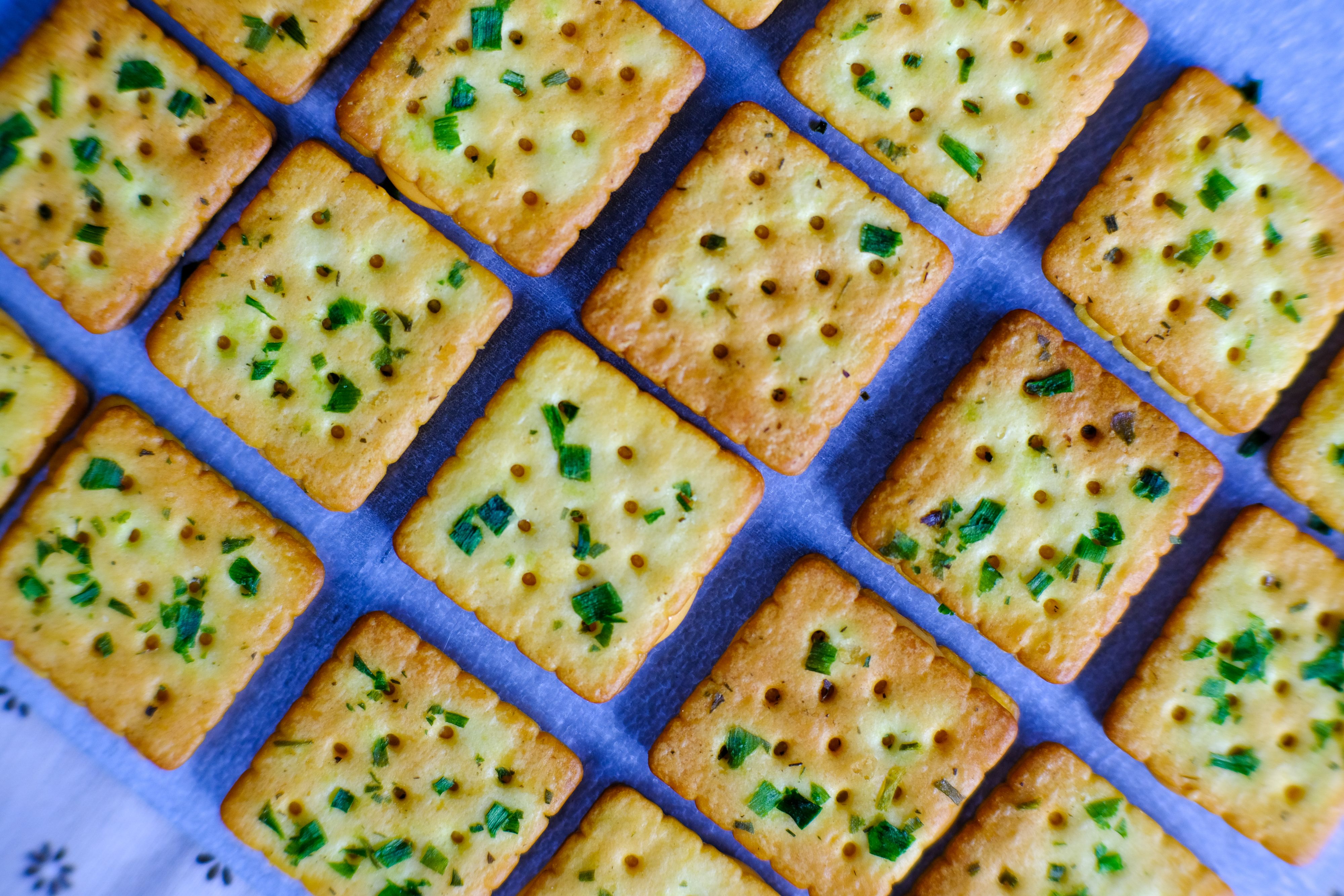
The diets react (see scores below)
Diet Ratings
Contains refined grains and added sugars. ~65g net carbs per 100g. Designed for non-keto diets.
Contains cheese (dairy) and whey (milk-derived). Animal products are core ingredients.
Cheez-Its are processed snacks containing wheat flour (grain), cheese (dairy), seed oils, and artificial additives. They violate multiple core paleo rules simultaneously.
Highly processed snack with refined grains, artificial ingredients, and poor-quality oils. Contains added sugars and excessive sodium. Directly contradicts Mediterranean emphasis on whole, minimally processed foods.
Processed snack containing grain flour (wheat), vegetable oils, and artificial ingredients. Multiple violations of carnivore principles despite cheese content.
Cheez-Its contain multiple excluded ingredients: grains (wheat flour), dairy (cheese), and often added sugar. They are a processed snack food that violates Whole30 rules.
Cheez-Its contain wheat flour (fructans) and cheese. While a small handful may be tolerated, standard servings exceed low-FODMAP limits. Monash testing on crackers shows portion-dependency.
Monash University rates wheat-based crackers as high-FODMAP at typical serving sizes (>30g), though some clinical practitioners allow 5-10 crackers in elimination phase. Serving size is critical.
Highly processed with high sodium (200mg per 27 crackers), saturated fat, and refined carbohydrates. No meaningful nutrients. Contradicts all DASH principles.
Highly processed, refined carbs with omega-6 seed oils and minimal nutritional value. High glycemic index, inflammatory fat profile, and impossible to balance into Zone macros without excessive portions.
Processed snack with refined carbohydrates, saturated fat, sodium, and artificial additives. Contains vegetable oils (likely inflammatory omega-6 seed oils). No meaningful anti-inflammatory compounds.
Ultra-processed, high fat, minimal protein, low fiber, empty calories. Designed for high palatability and overconsumption. Provides no nutritional value for GLP-1 patients who need every calorie to count.
Nutritional profile
Six traits that cut across every diet.
Fiber & Plants
How much whole-plant food and fiber it delivers.
Healthy Fats
The quality of its fats (unsaturated, omega-3).
Whole / Unprocessed
How close it is to its natural, unprocessed form.
Gut Gentle
How easy it is on digestion (low FODMAP, few irritants).
Low Glycemic
How little it spikes your blood sugar.
Protein Density
How much protein it packs per calorie.
Controversy Index
Score range: 1–5/10. Higher controversy = more disagreement between diets.
Diet-Specific Tips for Cheez-Its
 Low-FODMAP — 5/10
- Wheat flour contains fructans
- Portion size determines FODMAP load
- Cheese component is low-FODMAP