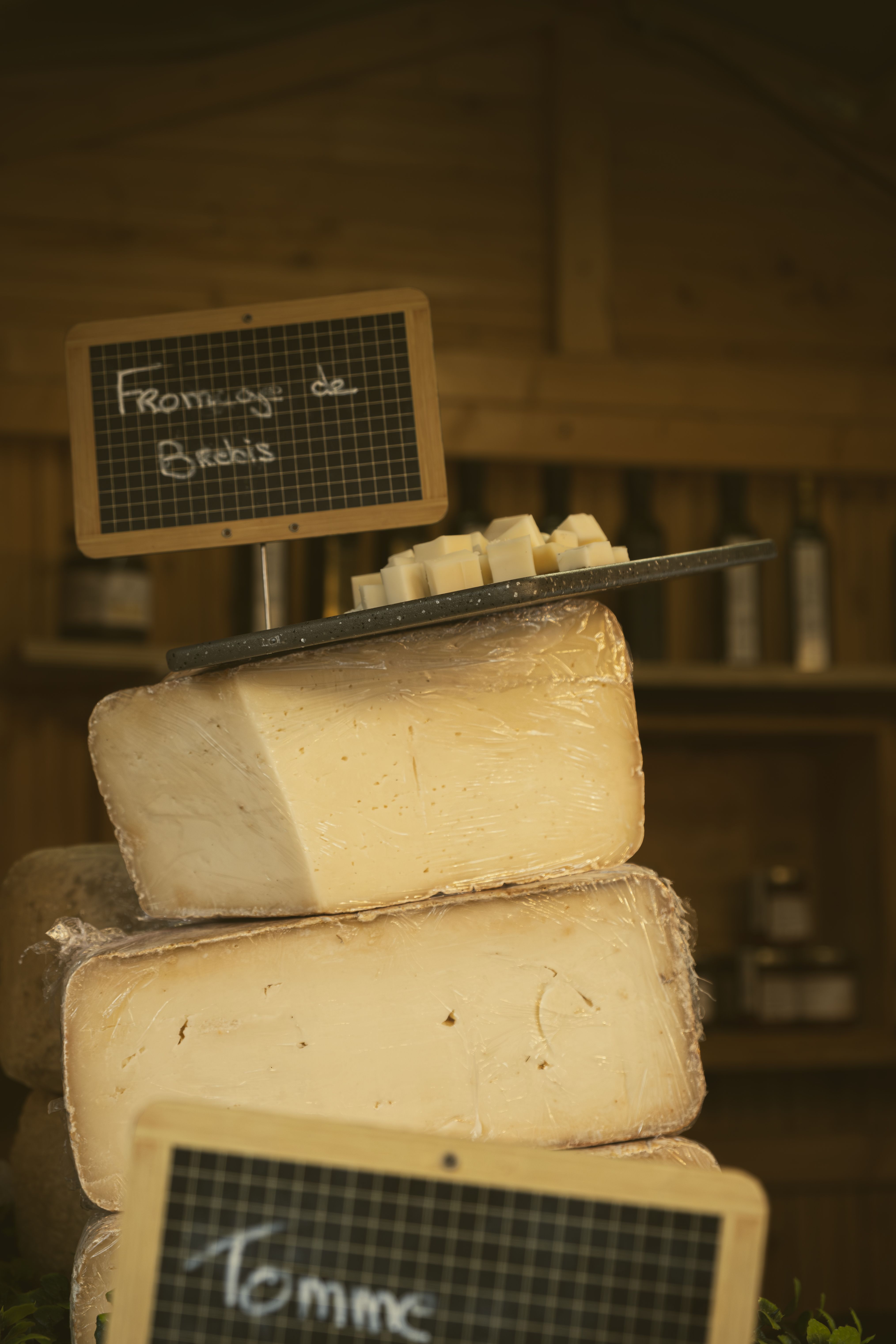
The diets react (see scores below)
Diet Ratings
Hard aged cheese with minimal lactose and carbs. High fat, excellent protein, and nutrient-dense. Ideal keto cheese.
Comté is a hard cheese made from cow's milk. Dairy is explicitly excluded from vegan diets.
Comté is a hard cheese derived from dairy, which is excluded from paleo due to casein, lactose, and modern processing. Paleo excludes all cheese varieties.
Hard cheese is acceptable in the Mediterranean diet in small amounts as a flavoring or occasional serving. Comté is a quality cheese but should be used sparingly due to saturated fat content; dairy is recommended in moderate amounts.
Hard cheese from cow's milk; animal-derived but part of broader dairy debate. Many carnivore practitioners include aged cheeses for their lower lactose and casein content. Strict meat-only advocates exclude all dairy.
Strict carnivore and 'meat-only' practitioners (following Baker's approach) exclude all dairy as potentially inflammatory and unnecessary, while 'animal-based' practitioners and most mainstream carnivores include aged, full-fat cheeses as acceptable animal products.
Comté is a hard cheese made from cow's milk. Dairy (except ghee and clarified butter) is excluded on Whole30.
Comté is a hard aged cheese with minimal lactose due to long fermentation and aging process. Monash rates hard cheeses as low-FODMAP. Safe during elimination phase at standard servings.
Hard cheese is high in saturated fat and sodium. DASH emphasizes low-fat dairy. While nutrient-dense (calcium, protein), the saturated fat and sodium content exceed DASH recommendations for regular consumption.
Hard cheese with significant saturated fat and minimal carbohydrates. Provides protein and fat blocks but is saturated-fat-heavy. Zone allows cheese but emphasizes portion control. Approximately 1 oz (28g) provides ~1 protein block and ~1.5 fat blocks, mostly saturated.
Comté is a hard cheese with high saturated fat and sodium, which can promote inflammation in excess. However, it contains calcium, vitamin K2, and probiotics from aging. Anti-inflammatory diet permits moderate dairy; small portions as a flavoring agent are acceptable, but regular consumption is not ideal.
Some anti-inflammatory practitioners (AIP, strict paleo) avoid all dairy due to casein and lactose; mainstream anti-inflammatory nutrition (Dr. Weil) permits moderate low-fat dairy and aged cheeses for their nutrient density and probiotic content.
Comté is a hard cheese with good protein (7g per ounce) but is high in saturated fat (7g per ounce) and calorie-dense (110 cal/oz). While it provides some protein, the fat content can worsen GLP-1 side effects. Small portions may work, but many RDs recommend limiting cheese due to fat burden during rapid weight loss.
Some RDs view cheese as an acceptable protein source in small portions (1-2 oz) given its satiety value, while others recommend minimizing it entirely due to saturated fat content and the risk of triggering nausea or bloating in GLP-1 patients.
Nutritional profile
Six traits that cut across every diet.
Fiber & Plants
How much whole-plant food and fiber it delivers.
Healthy Fats
The quality of its fats (unsaturated, omega-3).
Whole / Unprocessed
How close it is to its natural, unprocessed form.
Gut Gentle
How easy it is on digestion (low FODMAP, few irritants).
Low Glycemic
How little it spikes your blood sugar.
Protein Density
How much protein it packs per calorie.
Controversy Index
Score range: 1–9/10. Higher controversy = more disagreement between diets.
Diet-Specific Tips for Comté
 Keto — 9/10
- 0.5-1g net carbs per ounce
- High fat content
- Aged (low lactose)
- Nutrient-dense
 Mediterranean — 5/10
- Dairy product
- High in saturated fat
- Use as flavoring, not main protein
- Occasional servings acceptable
 Carnivore — 5/10
- Animal-derived (cow's milk)
- Aged cheese with lower lactose
- Dairy debate within community
- Full-fat and minimally processed
 Low-FODMAP — 9/10
- Hard cheese with minimal lactose
- Long aging reduces lactose content
- Monash-verified low-FODMAP
 DASH — 4/10
- High saturated fat
- High sodium
- Good calcium and protein source
- Requires strict portion control
 Zone — 5/10
- High saturated fat
- Protein present
- Zero carbohydrates
- Requires strict portioning
 Anti-Inflammatory — 5/10
- high saturated fat
- high sodium
- vitamin K2
- probiotics from aging
- calcium
 GLP-1 Friendly — 4/10
- moderate protein
- high saturated fat
- calorie-dense
- portion-dependent