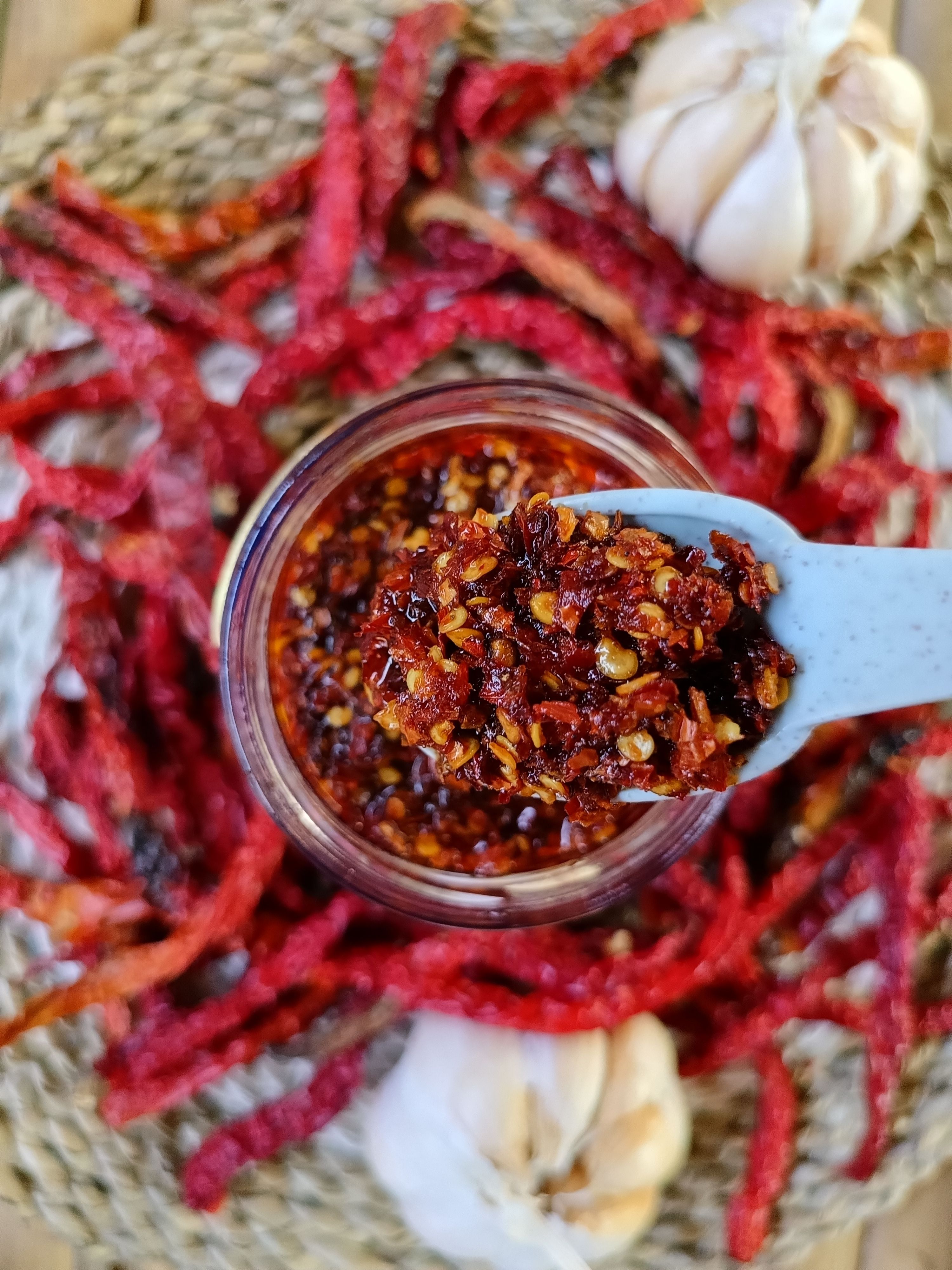
The diets react (see scores below)
Diet Ratings
Fermented bean paste typically contains added sugars and starches. Standard servings exceed keto carb limits (approximately 3-5g net carbs per tablespoon).
Some keto practitioners use doubanjiang in very small amounts (1 teaspoon) as a flavoring agent, arguing the carb contribution is minimal if portion-controlled strictly.
Doubanjiang (Chinese broad bean paste) is made from fermented fava beans, salt, and spices. Contains no animal products. Whole food fermented ingredient.
Doubanjiang (fermented broad bean paste) is made from legumes (broad beans), which are excluded from paleo. Legumes contain anti-nutrients and were not reliably available to hunter-gatherers.
Doubanjiang (fermented bean paste) is a processed condiment with high sodium and sometimes added sugars. While fermented foods have some benefits, it is not traditional to Mediterranean diet and should be used very sparingly as a flavoring.
Some modern Mediterranean diet interpretations embrace fermented foods from other traditions for their probiotic benefits; however, traditional Mediterranean fermented foods (olives, cheeses) are preferred, and the high sodium content is a concern.
Chinese fermented bean paste made from soybeans (plant-derived legume). Contains plant-based ingredients and spices. Completely incompatible with carnivore diet.
Doubanjiang (Chinese broad bean paste) is made from fermented fava beans (legumes) and typically contains added salt and sometimes sugar. Legumes are excluded on Whole30.
Doubanjiang (Chinese fermented bean paste) is made from soybeans and contains GOS (galacto-oligosaccharides), which are high-FODMAP. Fermentation reduces but does not eliminate GOS. High-FODMAP; avoid during elimination phase.
Doubanjiang (fermented bean paste) is very high in sodium (often 1000+ mg per tablespoon). While it contains beneficial fermented compounds and legumes, the sodium content is prohibitive for DASH adherence.
Fermented soybean paste with some carbohydrates and sodium. Small portions (1-2 teaspoons) can add flavor to Zone meals without significantly disrupting ratios. Contains beneficial fermented compounds but requires careful portioning due to carbohydrate and sodium content.
Some Zone practitioners may rate this higher due to fermented food benefits and minimal carbs per serving (1 tsp ≈ 1g carbs), while others emphasize sodium content. Sears' later work acknowledges fermented foods' anti-inflammatory properties.
Doubanjiang (fermented broad bean paste) contains fermented soybeans and chili peppers, both anti-inflammatory. However, it is typically high in sodium and may contain added sugar. Fermentation provides probiotics. Acceptable in small amounts as a flavoring, but high sodium content limits regular use.
Some anti-inflammatory sources emphasize fermented soy benefits (probiotics, isoflavones); others caution that high sodium in traditional doubanjiang may offset anti-inflammatory gains, particularly for salt-sensitive individuals.
Doubanjiang (fermented broad bean paste) is spicy and high in sodium, which can trigger reflux and nausea in GLP-1 patients. While it provides umami and some fermented benefits, the spice level and salt content make it problematic. Small amounts as a condiment may be tolerated by some, but it should generally be limited.
Some RDs may accept trace amounts of doubanjiang for flavor in GLP-1 patients with high spice tolerance, while others recommend avoiding it entirely due to the combination of spice and sodium load.
Nutritional profile
Six traits that cut across every diet.
Fiber & Plants
How much whole-plant food and fiber it delivers.
Healthy Fats
The quality of its fats (unsaturated, omega-3).
Whole / Unprocessed
How close it is to its natural, unprocessed form.
Gut Gentle
How easy it is on digestion (low FODMAP, few irritants).
Low Glycemic
How little it spikes your blood sugar.
Protein Density
How much protein it packs per calorie.
Controversy Index
Score range: 1–8/10. Higher controversy = more disagreement between diets.
Diet-Specific Tips for Doubanjiang
 Vegan — 8/10
- Plant-based fermented ingredient
- Legume-derived
- No animal-derived additives in traditional preparation
 Mediterranean — 4/10
- High sodium
- Processed fermented product
- Not traditional Mediterranean
- May contain added sugars
 Zone — 5/10
- Fermented soybean base
- Moderate sodium
- Small portions required
- Anti-inflammatory fermented food
 Anti-Inflammatory — 5/10
- fermented soy (probiotics, isoflavones)
- chili peppers (capsaicin)
- high sodium
- possible added sugar
- umami compounds
 GLP-1 Friendly — 4/10
- spicy
- high sodium
- triggers reflux
- fermented (potential benefit)
- condiment-only use