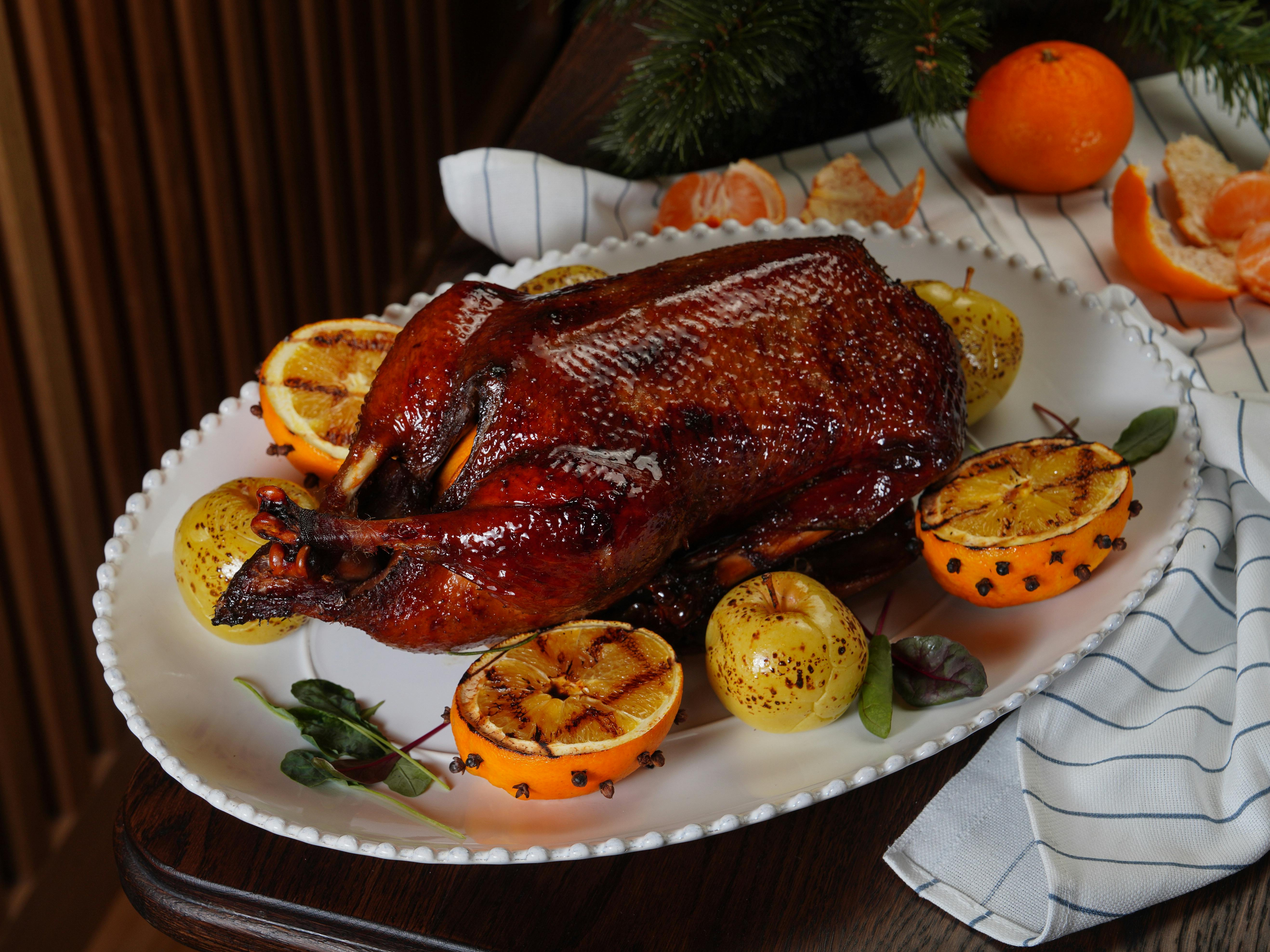
The diets react (see scores below)
Diet Ratings
Duck is high in fat and protein with zero carbs. Skin provides excellent fat content. Premium keto protein choice.
Duck is poultry meat, explicitly excluded from all vegan diets. Direct animal product.
Unprocessed duck is a paleo-approved poultry with high fat content and nutrient density. Available to hunter-gatherers; grass-fed or wild preferred.
Duck is poultry but higher in fat than chicken, particularly saturated fat. It can be included occasionally within the poultry category but should be consumed less frequently than lean poultry and fish.
Some Mediterranean regional traditions (particularly French Mediterranean) include duck more regularly; however, modern Mediterranean diet guidelines emphasize leaner poultry and fish over fattier poultry.
Poultry with higher fat content than chicken. Animal-derived and widely accepted in carnivore diet. Fatty cuts provide excellent nutrient profile.
Plain duck (fresh or frozen, without added ingredients) is an explicitly allowed protein on Whole30.
Plain duck (meat only) is pure protein with no FODMAPs. Monash-verified low-FODMAP at any serving size. Safe during elimination phase.
Duck is higher in saturated fat and calories than chicken, even when skin is removed. While it provides protein and iron, the fat content exceeds DASH lean protein recommendations. Acceptable occasionally but not as primary protein.
Duck meat is higher in fat than chicken, with significant saturated fat content even when skinless. Provides protein but the fat profile is less favorable than lean poultry. Usable in Zone meals but requires careful portioning and fat accounting. Skin should be removed.
Duck is poultry but higher in fat and saturated fat than chicken, especially with skin. Contains selenium and B vitamins. Skinless duck is more anti-inflammatory than skin-on. Acceptable in moderation as part of a varied protein intake, but not ideal as a primary protein source for strict anti-inflammatory protocols.
Some anti-inflammatory sources treat duck similarly to chicken (approve); others emphasize its higher fat content and recommend limiting it. Dr. Weil's pyramid does not specifically distinguish duck, but the higher saturated fat profile suggests caution relative to lean poultry.
Duck provides 19-25g protein per 3.5oz but is significantly higher in fat (11-17g per 3.5oz) compared to chicken breast. The fat content can worsen GLP-1 side effects. Skinless duck breast is leaner than thighs but still higher in fat than chicken. Acceptable in small portions for variety but not ideal as a primary protein source.
Some RDs accept duck as an occasional protein source given its nutrient density and satiety value, while others recommend limiting it due to fat content and preference for leaner poultry options during rapid weight loss.
Nutritional profile
Six traits that cut across every diet.
Fiber & Plants
How much whole-plant food and fiber it delivers.
Healthy Fats
The quality of its fats (unsaturated, omega-3).
Whole / Unprocessed
How close it is to its natural, unprocessed form.
Gut Gentle
How easy it is on digestion (low FODMAP, few irritants).
Low Glycemic
How little it spikes your blood sugar.
Protein Density
How much protein it packs per calorie.
Controversy Index
Score range: 1–10/10. Higher controversy = more disagreement between diets.
Diet-Specific Tips for Duck
 Keto — 9/10
- 0g net carbs
- High fat content (especially skin)
- High-quality protein
- Nutrient-dense
 Paleo — 9/10
- Unprocessed meat
- Complete protein
- High fat content
- Nutrient-dense
 Mediterranean — 5/10
- Poultry category
- Higher fat content than chicken
- Occasional consumption acceptable
- Less preferred than fish
 Carnivore — 8/10
- Animal-derived poultry
- Higher fat content than chicken
- Nutrient-dense
- Widely accepted in carnivore community
 Whole30 — 10/10
- Whole protein
- No excluded ingredients
- Unprocessed
 Low-FODMAP — 10/10
- Pure protein
- No FODMAPs
- Monash-tested
 DASH — 4/10
- Higher saturated fat than chicken
- Higher caloric density
- Good iron and protein source
- Requires portion control and skin removal
 Zone — 5/10
- Higher fat than chicken
- Significant saturated fat
- Protein present
- Requires careful portioning
 Anti-Inflammatory — 5/10
- higher fat than chicken
- higher saturated fat
- selenium and B vitamins
- arachidonic acid (skin-on)
- poultry category
 GLP-1 Friendly — 4/10
- good protein content
- moderate-to-high fat
- easy to digest
- portion-dependent
- less ideal than chicken