The diets react (see scores below)
Diet Ratings
Semi-soft cheese with minimal net carbs (~0.3g per ounce) and high fat content (25g per ounce). Excellent full-fat dairy choice for keto.
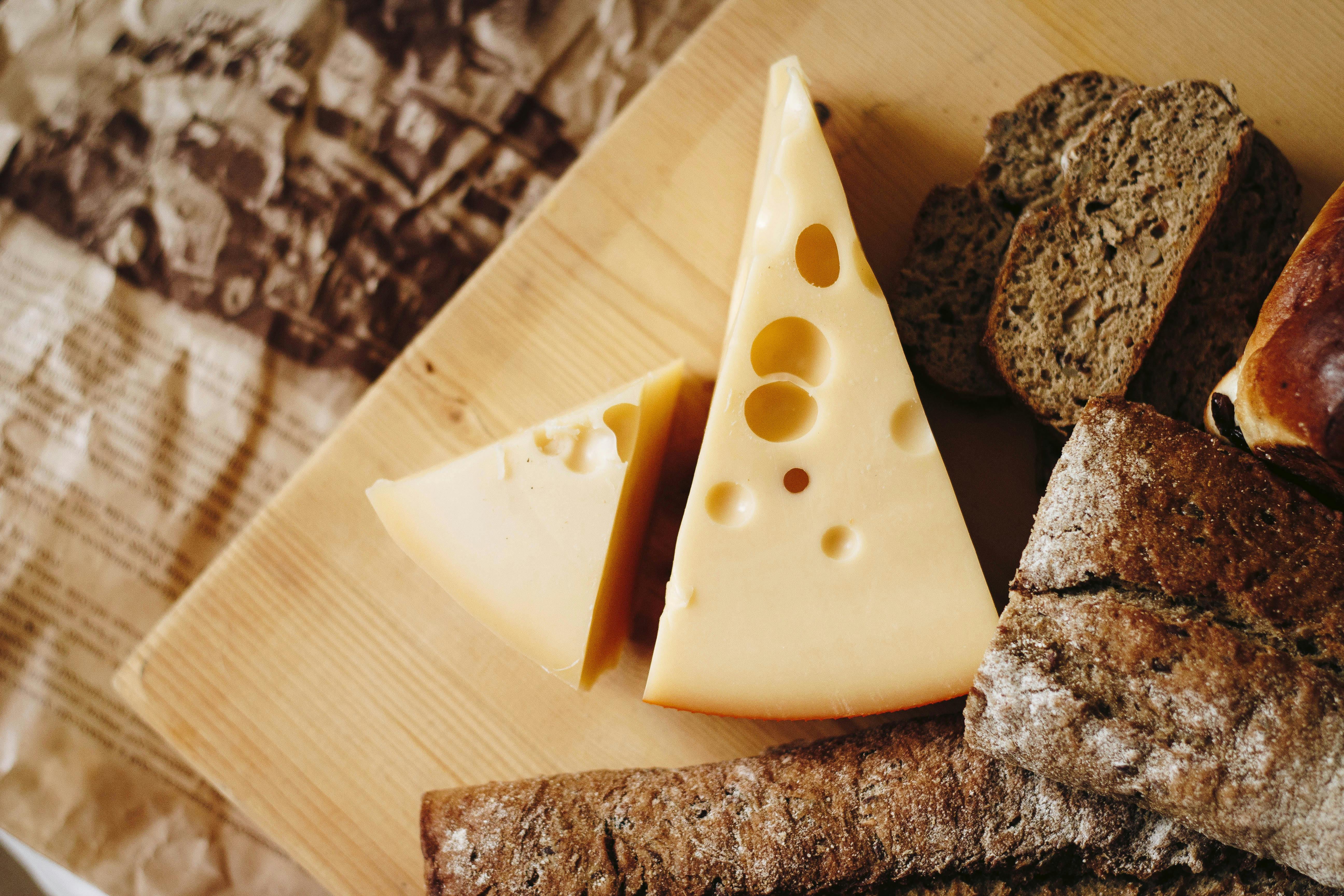
Fontina is a semi-soft cheese made from cow's milk, typically with animal rennet. Dairy products are explicitly excluded from vegan diets.
Cheese is a dairy product excluded from paleo diet. Contains lactose and casein. Processed and not available to Paleolithic humans.
Fontina is a semi-hard cheese high in saturated fat and sodium. While used in some Mediterranean regions, it should be consumed sparingly as a flavoring agent rather than a primary food source.
Traditional Alpine and Northern Italian Mediterranean cuisines use Fontina regularly; modern guidelines recommend limiting to small portions or occasional use.
Fontina is a semi-soft cheese derived from animal milk, making it animal-based. However, dairy remains debated in the carnivore community. Some include full-fat cheeses; others exclude all dairy due to lactose, casein, or inflammatory concerns.
Strict meat-only carnivores exclude all dairy, arguing processed cheese contains problematic compounds. Paul Saladino's animal-based approach includes raw dairy, but many practitioners following stricter carnivore protocols avoid cheese.
Fontina is a cheese made from dairy milk. Dairy (including all cheeses) is excluded on Whole30 for 30 days. Only ghee and clarified butter are allowed dairy exceptions.
Hard Italian cheese with minimal lactose due to aging and fermentation. Monash rates hard cheeses as low-FODMAP. Standard serving (30-40g) is safe during elimination.
Fontina is a full-fat cheese with high saturated fat (~25g per 100g), high sodium (~700mg per 100g), and high cholesterol. DASH explicitly limits full-fat dairy and recommends low-fat or fat-free alternatives. This cheese does not meet DASH guidelines.
Fontina is a semi-soft cheese with high saturated fat (~19g per 100g) and good protein (~17g per 100g). Like other cheeses, it can fit into Zone meals in small portions as a combined fat-protein source, but the saturated fat profile makes it less ideal than lean proteins paired with monounsaturated fats. A 1 oz portion provides ~1.5 fat blocks and 2.4 protein blocks, requiring careful integration.
Full-fat cheese high in saturated fat and sodium. Contains some calcium and protein, but the saturated fat and lack of anti-inflammatory compounds make it a food to limit. Acceptable in small amounts as a flavoring.
Fontina is a semi-soft cheese with ~25g fat and ~17g protein per 100g. High saturated fat (15g per 100g) will trigger nausea, bloating, and reflux in GLP-1 patients. Calorie-dense (389 kcal per 100g) with poor protein-to-fat ratio. Portion control is difficult.
Nutritional profile
Six traits that cut across every diet.
Fiber & Plants
How much whole-plant food and fiber it delivers.
Healthy Fats
The quality of its fats (unsaturated, omega-3).
Whole / Unprocessed
How close it is to its natural, unprocessed form.
Gut Gentle
How easy it is on digestion (low FODMAP, few irritants).
Low Glycemic
How little it spikes your blood sugar.
Protein Density
How much protein it packs per calorie.
Controversy Index
Score range: 1–9/10. Higher controversy = more disagreement between diets.
Diet-Specific Tips for Fontina
 Keto — 9/10
- 0.3g net carbs per ounce
- High fat content (25g per ounce)
- Full-fat dairy
- Minimal lactose
 Mediterranean — 4/10
- high saturated fat
- high sodium
- regional traditional use
- small portion use recommended
 Carnivore — 5/10
- Dairy-derived
- Full-fat
- Processed
- Lactose content
- Individual tolerance critical
 Low-FODMAP — 8/10
- Hard cheese with low residual lactose
- Fermentation reduces lactose
- No fructans or GOS
 Zone — 5/10
- High saturated fat
- Moderate protein
- High sodium
- Calorie-dense
 Anti-Inflammatory — 4/10
- high saturated fat
- high sodium
- full-fat dairy
- limited antioxidants