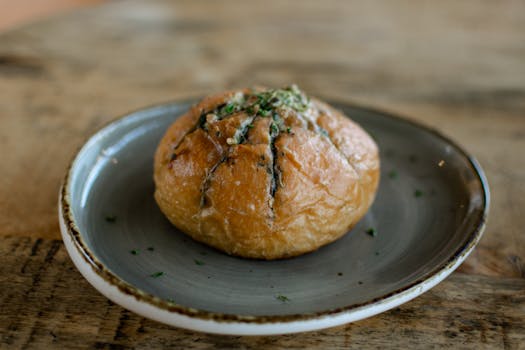
The diets react (see scores below)
Diet Ratings
Bread is a grain product with 15-25g net carbs per slice. Even small portions exceed keto carb limits. Butter and garlic are keto-friendly, but the bread base is fundamentally incompatible.
Traditionally made with butter and often contains dairy. Even vegan versions are heavily processed and not whole-food based.
Bread is a grain product (wheat), and garlic bread is typically made with butter or seed oils plus added salt. Grain exclusion is foundational to paleo.
Refined white bread with butter or saturated fat-based spreads. While garlic is beneficial, the refined grain base and butter contradict Mediterranean emphasis on whole grains and olive oil as primary fat.
Bread is grain-based (plant-derived) and garlic is a plant product. Both are explicitly excluded from carnivore diet regardless of butter content.
Garlic bread is a recreated baked good explicitly prohibited by Whole30. Contains grain (bread) and typically butter or oil with garlic.
Garlic is a major FODMAP source (fructans). Even small amounts in bread are problematic. Butter may contain lactose depending on type.
Typically made with refined white bread, butter (saturated fat), and salt. High in sodium and saturated fat with minimal nutritional benefit. Lacks whole grains and key DASH nutrients.
White bread is high-glycemic; butter/oil content is high saturated fat. Carb-to-protein ratio is severely imbalanced. No meaningful protein or low-glycemic carbs.
Typically made with white bread, butter, and garlic. While garlic has anti-inflammatory properties, the refined carbohydrate base and saturated fat from butter dominate. Lacks fiber and beneficial nutrients.
High fat (butter), refined carbohydrates, low protein, and garlic can trigger reflux and nausea in GLP-1 patients. Minimal nutritional value per calorie.
Nutritional profile
Six traits that cut across every diet.
Fiber & Plants
How much whole-plant food and fiber it delivers.
Healthy Fats
The quality of its fats (unsaturated, omega-3).
Whole / Unprocessed
How close it is to its natural, unprocessed form.
Gut Gentle
How easy it is on digestion (low FODMAP, few irritants).
Low Glycemic
How little it spikes your blood sugar.
Protein Density
How much protein it packs per calorie.
Controversy Index
Score range: 1–2/10. Higher controversy = more disagreement between diets.