The diets react (see scores below)
Diet Ratings
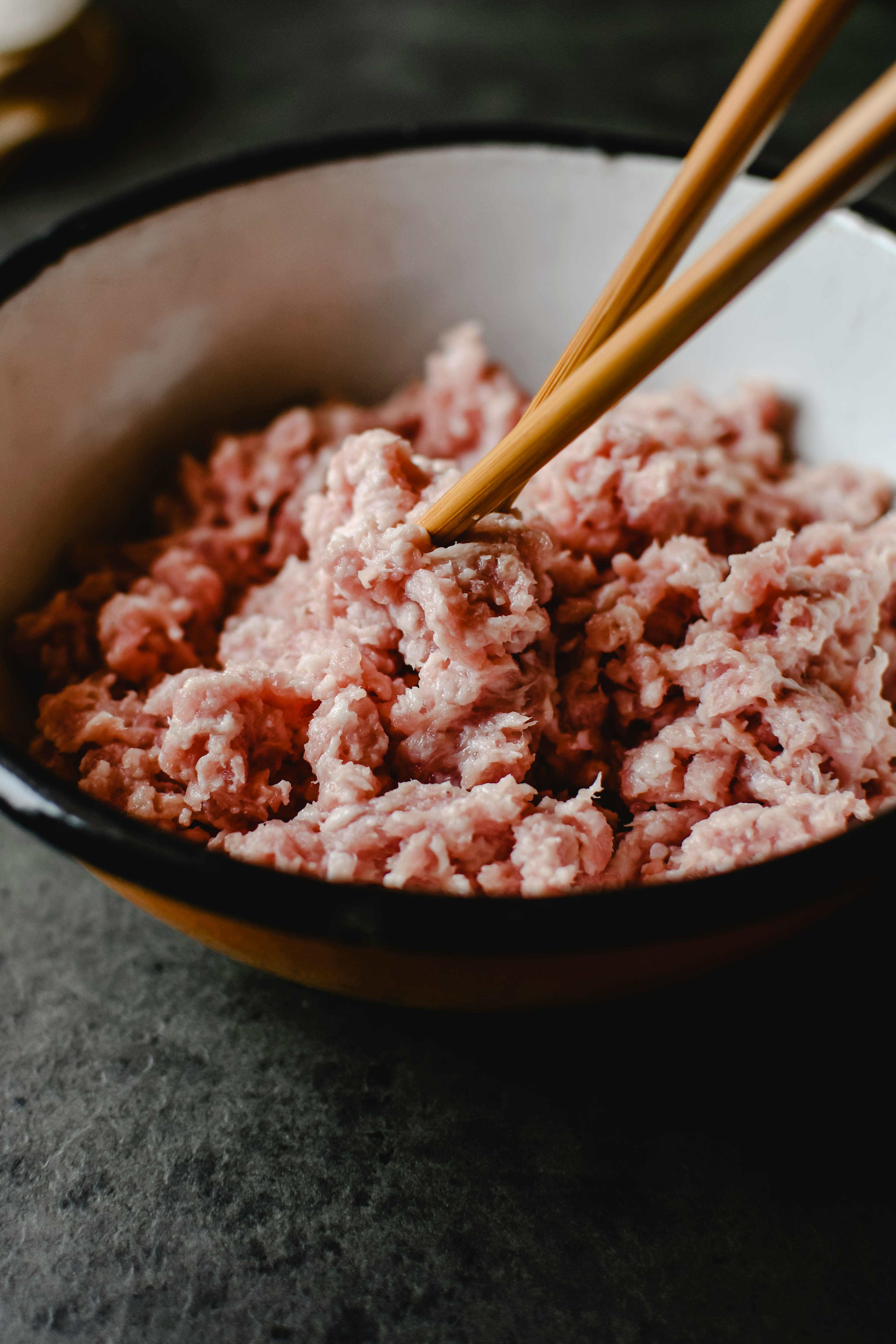
Ground pork contains ~0g net carbs and provides 20-25g protein and 15-20g fat per 100g. Excellent keto protein source, especially fattier cuts.
Ground pork is meat from a pig, making it a direct animal product. Meat is explicitly excluded from vegan diets.
Ground pork is unprocessed meat available to Paleolithic humans. Excellent protein and fat source. Score slightly lower than whole cuts due to increased surface area for oxidation, but still fully paleo-compliant.
Ground pork is red/processed meat high in saturated fat. Mediterranean diet limits red meat to a few times per month. Ground pork should be avoided in favor of fish, poultry, or plant-based proteins.
Ground pork is a minimally processed animal meat product. Pork is widely accepted in carnivore diet. Ground form is acceptable as long as it contains no additives, fillers, or plant-based ingredients. Provides complete amino acid profile and fat.
Ground pork is meat, which is explicitly allowed on Whole30. Verify that it contains no added sugar, fillers, or other excluded ingredients.
Plain ground pork is pure protein and fat with no carbohydrates. Contains no FODMAPs. Safe at any serving size during elimination phase.
Ground pork is higher in saturated fat than lean poultry or fish. DASH emphasizes lean meats and limits red meat and pork. Ground pork typically contains 15-20% fat. Lean ground pork (96% lean) would score higher. Use sparingly and choose the leanest available cuts.
Ground pork varies widely in fat content (10-30% depending on cut). Lean ground pork (93% lean or higher) can fit into Zone meals as a protein source, but standard ground pork contains significant saturated fat. The Zone Diet prefers leaner proteins like skinless chicken and fish. If using ground pork, select the leanest available and account for the higher fat content in meal planning. A 3 oz serving of 85% lean pork provides ~22g protein and ~15g fat (mostly saturated).
Pork is a red meat with moderate saturated fat and arachidonic acid content. Less inflammatory than beef but higher in omega-6 than poultry. Acceptable in moderation if lean, but should not be a dietary staple in an anti-inflammatory diet. Choose lean cuts and limit portion size.
Ground pork varies widely in fat content (10-20g fat per 100g depending on cut). Lean ground pork (93/7) is acceptable with ~15g protein and 7g fat per 100g. Regular ground pork (80/20) is too high in fat. Requires careful selection and cooking method (no frying). Satiety is good but fat profile is a concern.
Some GLP-1 RDs avoid pork entirely due to saturated fat and digestibility concerns; others recommend lean ground pork as a viable protein source if fat content is verified. Clinical consensus leans toward chicken/fish as safer choices.
Nutritional profile
Six traits that cut across every diet.
Fiber & Plants
How much whole-plant food and fiber it delivers.
Healthy Fats
The quality of its fats (unsaturated, omega-3).
Whole / Unprocessed
How close it is to its natural, unprocessed form.
Gut Gentle
How easy it is on digestion (low FODMAP, few irritants).
Low Glycemic
How little it spikes your blood sugar.
Protein Density
How much protein it packs per calorie.
Controversy Index
Score range: 1–9/10. Higher controversy = more disagreement between diets.
Diet-Specific Tips for Ground pork
 Keto — 9/10
- 0g net carbs
- High protein (20-25g per 100g)
- Good fat content (15-20g per 100g)
- Whole food, unprocessed
 Paleo — 8/10
- Unprocessed meat
- High in protein
- Available to hunter-gatherers
- Grass-fed/pasture-raised preferred
 Carnivore — 8/10
- Animal-derived
- Minimally processed
- Complete protein
- Fat content
- No additives (if pure pork)
 Whole30 — 9/10
- Meat protein
- Whole food
- Check label for additives
 Low-FODMAP — 9/10
- No fermentable carbohydrates
- Pure protein and fat
- No additives or fillers assumed
 DASH — 4/10
- Higher saturated fat than poultry
- Moderate protein content
- Fat content varies by cut (15-20% typical)
- DASH prefers lean poultry and fish
 Zone — 5/10
- Variable fat content
- Saturated fat-heavy
- Good protein source
- Requires lean selection
- Higher caloric density than poultry
 Anti-Inflammatory — 5/10
- moderate saturated fat
- arachidonic acid (omega-6)
- red meat
- less inflammatory than beef but more than poultry
 GLP-1 Friendly — 5/10
- Protein-rich but fat-content variable
- Lean cuts (93/7) acceptable; regular cuts too high in fat
- Saturated fat may worsen GI side effects
- Cooking method critical (bake/grill, not fry)
- Requires careful sourcing and preparation