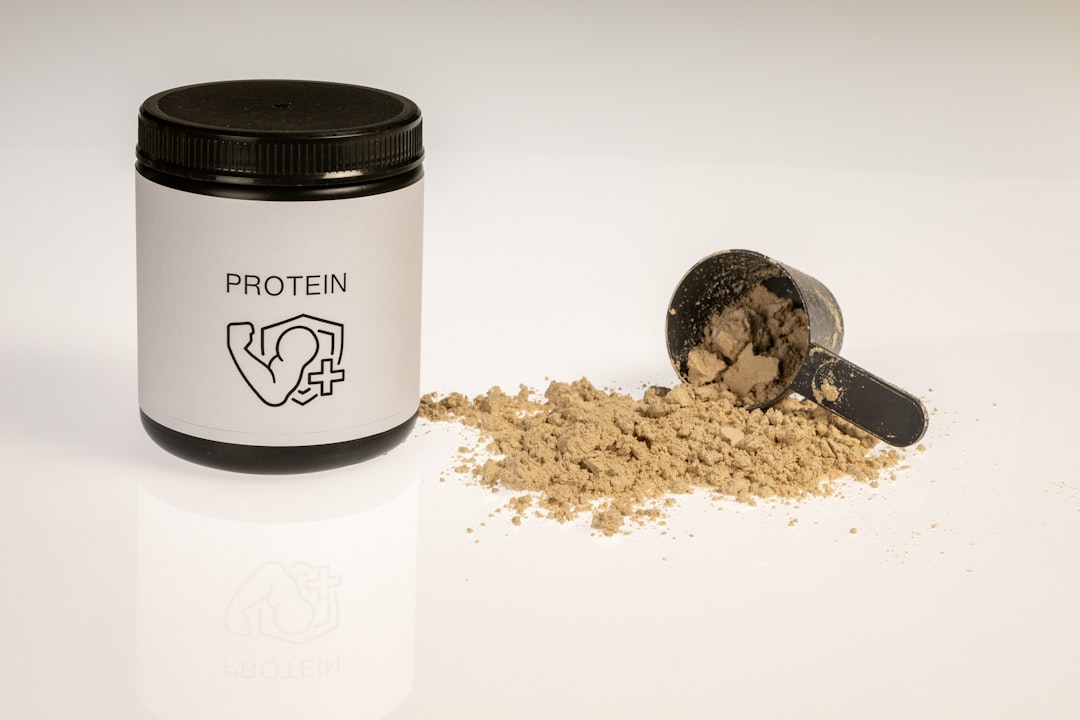
Hemp protein powder
Rated by 11 diets
The diets react (see scores below)
Diet Ratings
Hemp protein contains ~1-2g net carbs per 30g serving with 10g protein and 3g fat. Minimal carb impact, complete amino acid profile, and no added sugars in unflavored varieties.
Plant-based whole food derivative with complete amino acid profile. Minimally processed and nutrient-dense. Excellent vegan protein source.
Hemp seeds are paleo-approved, but protein powder is processed and often contains additives. Whole hemp seeds are preferable. Powder may contain fillers, sweeteners, or anti-caking agents.
Some paleo practitioners accept minimally-processed hemp protein powder (single-ingredient) as a convenient protein source, while others argue whole seeds are the only acceptable form.
Processed supplement from whole hemp seeds. While hemp seeds are minimally processed plant foods, powder form is a modern extraction. Mediterranean diet emphasizes whole legumes and nuts rather than isolated protein powders.
Some modern Mediterranean diet practitioners accept plant-based protein powders as convenient alternatives to whole foods, particularly for those with dietary restrictions or high protein needs.
Hemp is a plant seed. Hemp protein powder is plant-derived and explicitly excluded from carnivore diet. Contains plant compounds and phytochemicals contrary to carnivore principles.
Hemp protein powder is technically compliant (hemp is not a legume or grain), but it is a processed supplement. Whole30 emphasizes whole foods over powders. If used as a supplement rather than a meal replacement, it may be acceptable, but it tests the spirit.
Melissa Urban and official Whole30 guidelines prioritize whole foods; some community members accept protein powders as supplements, while purists argue they violate the whole-food ethos.
Hemp protein is low in carbohydrates and FODMAPs. Monash data supports hemp seeds as low-FODMAP. Unflavored versions are safest; check flavored varieties for added sweeteners.
Plant-based protein source rich in omega-3 fatty acids, fiber, and minerals. Low sodium when unsweetened. Supports DASH emphasis on plant proteins and nuts/seeds.
Good protein source (~10g per serving) with omega-3 content. However, typically contains 2-4g carbs and 3-5g fat per serving. Requires careful portioning to maintain 40/30/30. Less processed than whey but verify carb content.
Dr. Sears generally prefers whole-food protein sources (fish, chicken, egg whites) for satiety and polyphenol content. Hemp powder acceptable as convenience option if carbs monitored.
Excellent plant-based protein with complete amino acids and high omega-3 content (ALA). Minimal processing when unflavored. Supports anti-inflammatory diet principles with whole food nutrition.
Excellent protein density (10-15g per serving), complete amino acid profile, high fiber (1-2g per serving), low fat (1-2g), plant-based, easy to digest, mixes well into smoothies or oatmeal. Supports muscle preservation during weight loss. Nutrient-dense per calorie.
Nutritional profile
Six traits that cut across every diet.
Fiber & Plants
How much whole-plant food and fiber it delivers.
Healthy Fats
The quality of its fats (unsaturated, omega-3).
Whole / Unprocessed
How close it is to its natural, unprocessed form.
Gut Gentle
How easy it is on digestion (low FODMAP, few irritants).
Low Glycemic
How little it spikes your blood sugar.
Protein Density
How much protein it packs per calorie.
Controversy Index
Score range: 1–8/10. Higher controversy = more disagreement between diets.
Diet-Specific Tips for Hemp protein powder
 Keto — 8/10
- Low net carbs (1-2g per serving)
- Complete protein with all amino acids
- Minimal fat content (not ideal for macro ratios)
- Unflavored versions have no added sugars
 Vegan — 8/10
- Complete plant protein
- Minimal processing
- Nutrient-dense
- Whole food derivative
 Paleo — 6/10
- Processing removes whole-food status
- Potential additives and fillers
- Whole hemp seeds are superior
- Sweeteners often added
 Mediterranean — 4/10
- processed supplement
- plant-based source
- not traditional Mediterranean
- whole seeds preferred over powder
 Whole30 — 5/10
- Processed supplement
- Not a whole food
- Acceptable as supplement vs. meal replacement distinction
 Low-FODMAP — 8/10
- Hemp seeds are Monash-tested low-FODMAP
- Low carbohydrate content
- Verify no added sweeteners in flavored versions
 DASH — 8/10
- Plant-based protein
- Omega-3 fatty acids
- High fiber
- Low sodium (unsweetened)
 Zone — 5/10
- Moderate protein content
- Omega-3 rich
- Contains carbs and fat
- Label verification needed
 Anti-Inflammatory — 8/10
- omega-3 fatty acids (ALA)
- complete plant protein
- minimal processing
- whole food source
 GLP-1 Friendly — 8/10
- high protein
- complete amino acids
- high fiber
- low fat
- plant-based
- easy to digest
- nutrient-dense