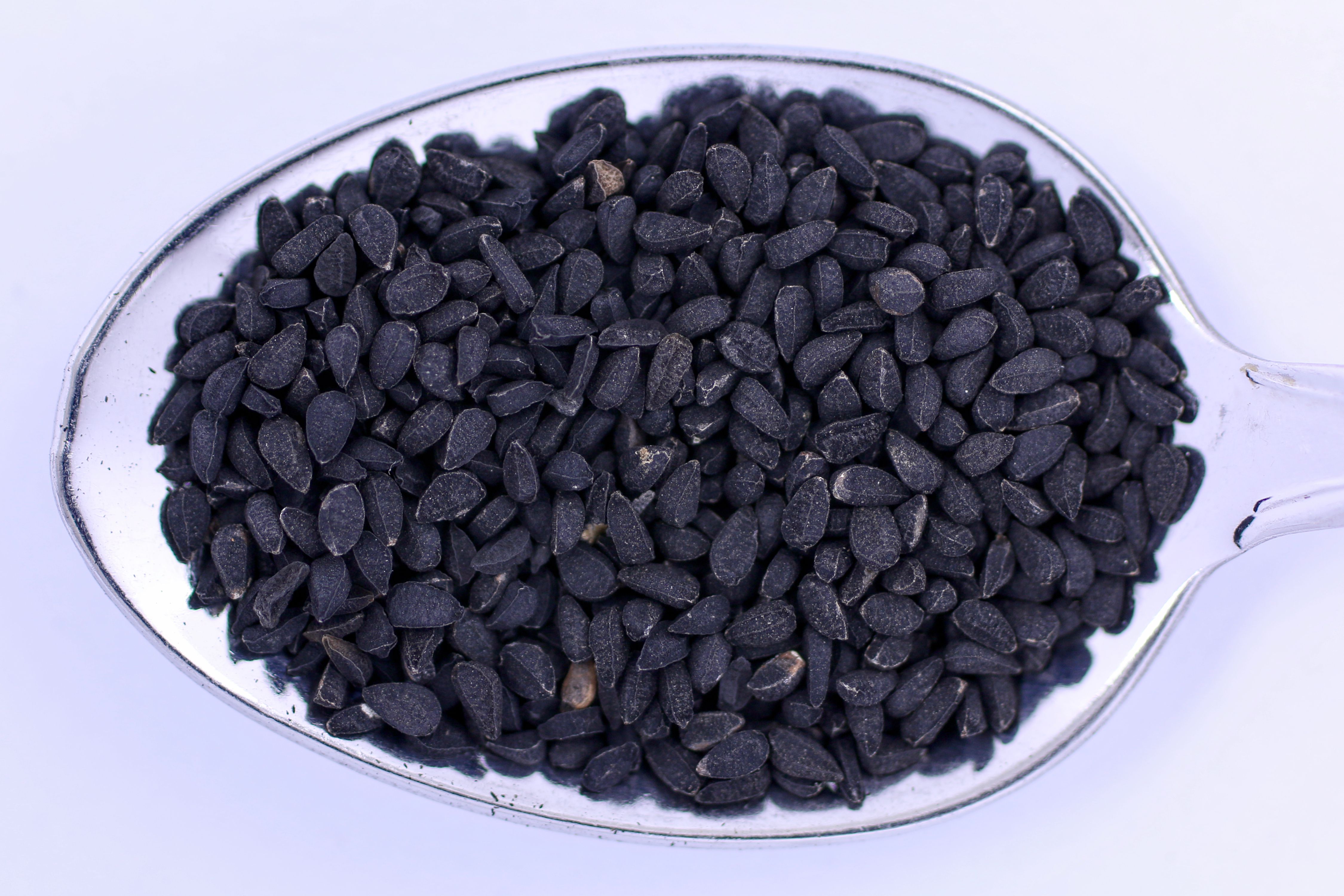
The diets react (see scores below)
Diet Ratings
Nigella seeds contain ~3g net carbs per 100g with high fat and protein content. Excellent keto-compatible spice/seed. Used in small amounts for flavoring and nutrition.
Nigella seeds (black cumin) are plant seeds with no animal products or derivatives. They are a whole plant food fully compliant with vegan diet.
Nigella seeds (black cumin) are unprocessed seeds used as a spice. They are nutrient-dense, contain beneficial compounds, and have no anti-nutrients when used in culinary amounts.
Nigella seeds are whole seeds, minimally processed, nutrient-dense. Used as a spice/flavoring in Mediterranean and Middle Eastern cuisines. No added sugars or unhealthy fats. High in antioxidants.
Nigella seeds are plant-derived seeds. All seeds and plant foods are excluded from carnivore diet.
Nigella seeds (black cumin) are a whole spice with no excluded ingredients. They are used as a seasoning and are fully compatible with Whole30.
Nigella seeds (black cumin seeds) are used in minimal quantities as a spice. They are low in carbohydrates and contain no significant fructose, fructans, GOS, lactose, or polyols. Spice-level servings pose negligible FODMAP load. Safe during elimination phase.
Nigella seeds are nutrient-dense seeds rich in fiber, potassium, magnesium, and healthy fats. Low in sodium. Align with DASH emphasis on nuts and seeds as protein and healthy fat sources. Minimal processing, whole food form.
Nigella seeds are low in carbohydrates and high in monounsaturated fats and polyphenols. They fit into Zone fat blocks and add anti-inflammatory compounds. Approximately 1 tablespoon = 1 fat block.
Nigella seeds (black cumin) contain thymoquinone, a compound with documented anti-inflammatory, antioxidant, and immunomodulatory properties in research. Rich in polyphenols and essential oils. Traditional use in Ayurvedic and Islamic medicine for anti-inflammatory benefits. Limited but promising clinical evidence supports anti-inflammatory effects.
While nigella seeds show anti-inflammatory potential in preliminary research and traditional medicine, robust clinical trials in Western populations are limited. Some practitioners may prefer spices with more extensive research (turmeric, ginger).
Nigella seeds are nutrient-dense (protein, fiber, minerals) but high in fat (mostly unsaturated). Small portions provide significant nutritional value, but fat content can worsen GLP-1 side effects if consumed in larger amounts. Acceptable as a seasoning or garnish but not as a primary food source.
Some RDs recommend nigella seeds as a beneficial source of unsaturated fats and micronutrients, especially for patients with adequate GI tolerance. Others limit them due to overall fat density. Portion control is key.
Nutritional profile
Six traits that cut across every diet.
Fiber & Plants
How much whole-plant food and fiber it delivers.
Healthy Fats
The quality of its fats (unsaturated, omega-3).
Whole / Unprocessed
How close it is to its natural, unprocessed form.
Gut Gentle
How easy it is on digestion (low FODMAP, few irritants).
Low Glycemic
How little it spikes your blood sugar.
Protein Density
How much protein it packs per calorie.
Controversy Index
Score range: 1–9/10. Higher controversy = more disagreement between diets.
Diet-Specific Tips for Nigella seeds
 Keto — 9/10
- ~3g net carbs per 100g
- High fat and protein content
- Whole, unprocessed food
- Typically used in small amounts
 Vegan — 9/10
- Whole plant food
- No animal ingredients
- Minimal processing
 Paleo — 9/10
- Unprocessed seed
- Spice classification
- Nutrient-dense
- Ancestral use
 Mediterranean — 8/10
- whole seed
- minimal processing
- traditional Mediterranean/Middle Eastern use
- high antioxidants
 Whole30 — 9/10
- Whole spice
- No additives
- Compliant seasoning
 Low-FODMAP — 9/10
- Minimal serving sizes (spice)
- Low carbohydrate content
- No FODMAP-triggering compounds
 DASH — 7/10
- High fiber
- Rich in potassium and magnesium
- Healthy unsaturated fats
- Low sodium
- Whole seed form
 Zone — 8/10
- Low carbohydrate content
- Monounsaturated fat source
- Rich in polyphenols
- Anti-inflammatory properties
- Fits Zone fat blocks
 Anti-Inflammatory — 8/10
- Thymoquinone content
- Polyphenol-rich
- Traditional anti-inflammatory use
- Emerging clinical evidence
- Essential oil profile
 GLP-1 Friendly — 6/10
- high fat (mostly unsaturated)
- moderate protein
- high fiber
- nutrient-dense
- portion-sensitive
- best used as seasoning/garnish