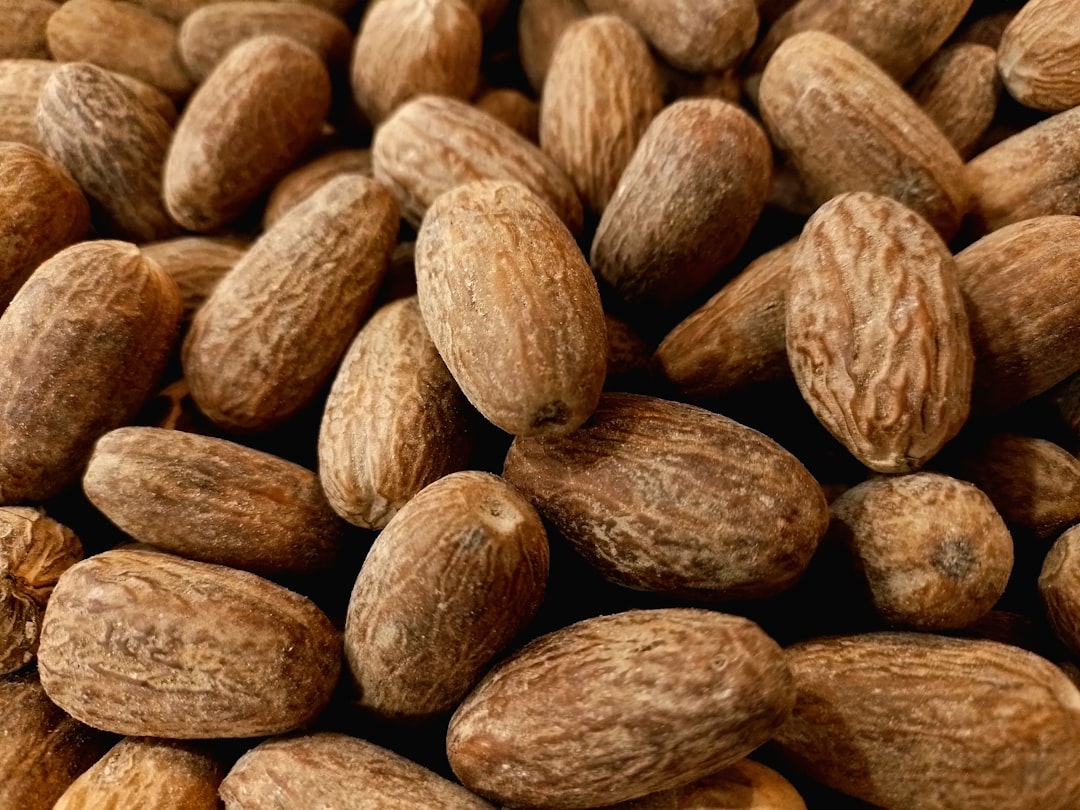
The diets react (see scores below)
Diet Ratings
Nutmeg is a pure spice with negligible carbs. Typical serving (1/4 tsp) contains <0.5g net carbs. No sugar, no additives. Excellent for flavor without carb impact.
Nutmeg is a plant-based spice from the nutmeg seed. No animal products or derivatives. Whole food ingredient.
Nutmeg is a pure spice from the seed of Myristica fragrans. It is unprocessed, contains no grains, legumes, dairy, or seed oils, and is fully paleo-compliant. Nutmeg has been used as a spice for centuries and fits within paleo guidelines.
Nutmeg is a pure spice with no processing, added ingredients, or unhealthy fats. It exemplifies Mediterranean cooking principles of using herbs and spices for flavor without relying on salt, sugar, or processed ingredients.
Nutmeg is a plant-derived spice from the nutmeg seed. It is entirely plant-based and violates carnivore diet rules which exclude all plant-derived spices and seasonings.
Nutmeg is a pure spice with no excluded ingredients. It's a whole, unprocessed product explicitly allowed on Whole30.
Nutmeg is a pure spice with no FODMAP-containing compounds. Monash has tested nutmeg and confirmed low-FODMAP status. Used in small quantities typical for cooking.
Nutmeg is a pure spice with negligible sodium and no added sugars. Contains trace minerals and phytonutrients. Excellent for flavoring without any DASH concerns. Zero calories and fat.
Pure spice with negligible macronutrients. Anti-inflammatory compounds. Adds warmth and depth to Zone meals without affecting ratios.
Nutmeg contains polyphenols and volatile compounds with anti-inflammatory properties. Supports digestive health and may reduce inflammation. However, nutmeg is typically used in smaller quantities than other spices, limiting overall anti-inflammatory impact per serving.
Nutmeg is a spice with negligible calories, fat, and sugar. Warm, mild flavor is well-tolerated. May support digestion and reduce bloating. Excellent for flavoring lean proteins, vegetables, and beverages without any GLP-1 side effect risk.
Controversy Index
Score range: 1–10/10. Higher controversy = more disagreement between diets.
Diet-Specific Tips for Nutmeg
 Keto — 9/10
- Negligible net carbs
- Pure spice
- No added sugar
- Minimal calories
 Vegan — 10/10
- Plant-based spice
- No animal ingredients
- Whole food
- Minimal processing
 Paleo — 10/10
- Pure spice from seed
- Unprocessed
- No anti-nutrients
- No additives
 Mediterranean — 8/10
- Minimal processing
- No additives
- Flavor-enhancing
- Low calorie
- Traditional spice
 Whole30 — 10/10
- Pure spice
- No additives
- Explicitly compliant
 Low-FODMAP — 9/10
- Pure spice with no FODMAP compounds
- Low-FODMAP at any reasonable serving
- Typical use is small amounts (1/4 tsp or less)
 DASH — 9/10
- Negligible sodium
- No added sugars
- Phytonutrient-rich
- Zero fat and calories
- Enhances palatability of healthy foods
 Zone — 9/10
- Zero meaningful macronutrients
- Anti-inflammatory properties
- No glycemic impact
- Flavor enhancer
 Anti-Inflammatory — 7/10
- Polyphenol content with antioxidant properties
- Volatile oils support digestive function
- Anti-inflammatory compounds present
- Typically used in small quantities
- No inflammatory additives in pure form
 GLP-1 Friendly — 9/10
- Negligible calories and macronutrients
- Warm, mild flavor
- May support digestion
- Well-tolerated by all GLP-1 patients
- Versatile seasoning