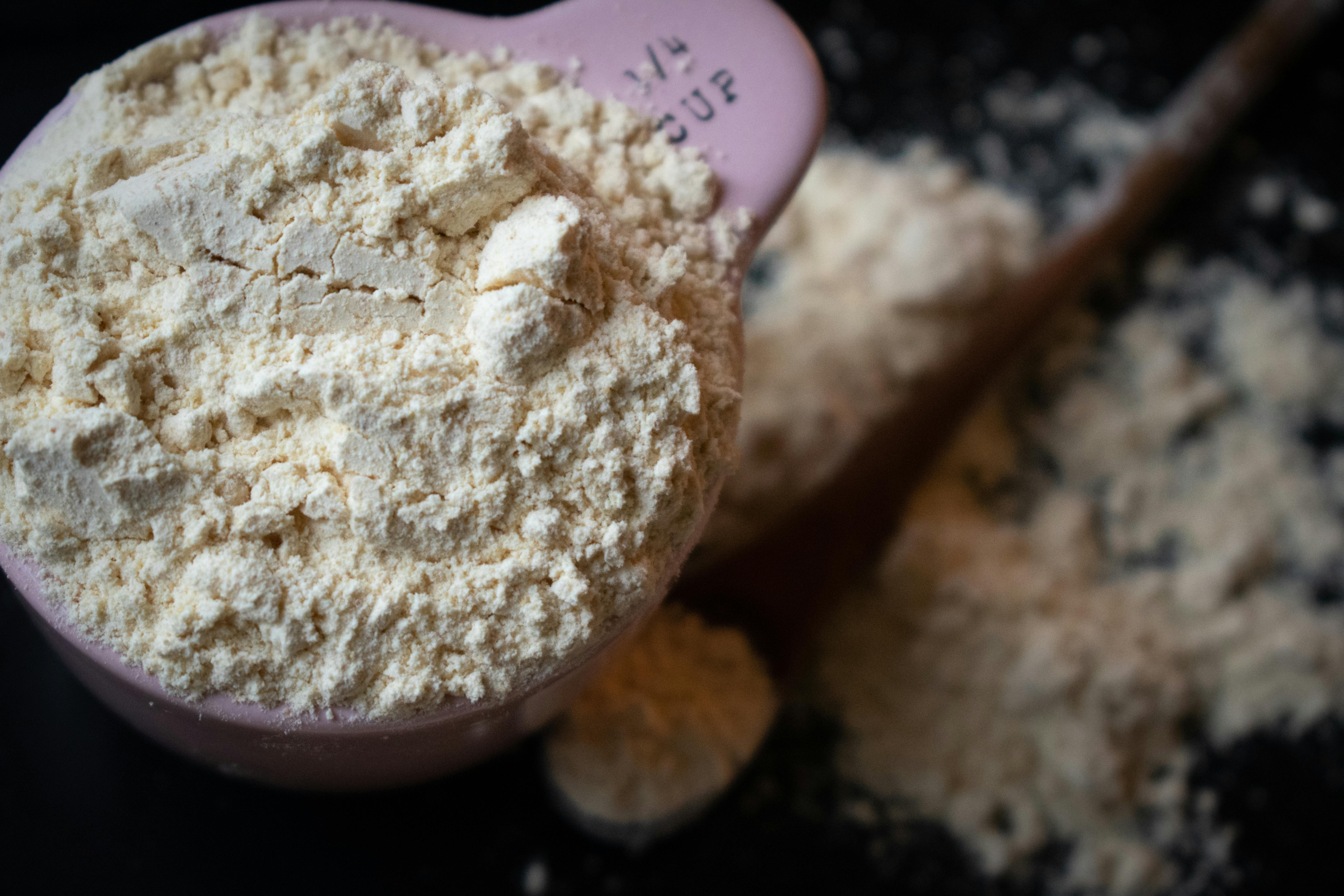
The diets react (see scores below)
Diet Ratings
Onion powder contains ~1.5g net carbs per tablespoon. At typical spice amounts (1 tsp = ~0.5g net carbs), it's acceptable, but larger amounts can add up. Some strict keto practitioners avoid it due to concentrated carbs from onions.
Strict/clinical keto protocols sometimes exclude onion powder entirely due to its concentrated carbohydrate density compared to fresh herbs, preferring garlic powder as an alternative.
Plant-derived spice from dehydrated onions. No animal products or derivatives. Minimal processing from whole food source.
Derived from onions (paleo-approved vegetable), but processing and potential additives (anti-caking agents) create gray area. Fresh onions are clearly approved; powder form introduces processing concerns.
Some paleo practitioners accept onion powder as a minimally processed spice equivalent to dried herbs, while strict interpretations prefer fresh onions only to avoid any additives or processing.
Onion powder is processed and lacks the nutritional benefits of fresh onions. While acceptable for convenience, fresh onions are strongly preferred in Mediterranean diet. Some commercial onion powders may contain additives.
Some Mediterranean diet practitioners accept onion powder as a reasonable convenience option when fresh onions are unavailable, particularly for those with time constraints.
Plant-derived powder from onion bulb. Contains carbohydrates and plant compounds. Strictly excluded from carnivore diet.
Pure onion powder is technically compliant as a spice derivative, but some Whole30 practitioners question whether powdered vegetables blur the line between whole foods and processed ingredients.
Melissa Urban and official Whole30 guidelines treat onion powder as an acceptable spice/seasoning, but some community members prefer whole onions to maintain the 'whole food' spirit of the program.
Onion powder is derived from onions, which are high in fructans. Monash University confirms onion powder is high-FODMAP at any reasonable serving size. Fructans concentrate during dehydration, making even small amounts problematic.
Sodium-free spice, but some commercial products may contain anti-caking agents with trace sodium. Generally acceptable for DASH. Verify label for additives. Supports flavor without salt.
Onion powder contains some polyphenols but is more concentrated in carbohydrates than fresh onions. At typical seasoning doses (1 tsp), macronutrient impact is minimal, but larger quantities can add meaningful carbs. Use sparingly to avoid disrupting ratios.
Onion powder contains quercetin and other polyphenols with anti-inflammatory and antioxidant properties. Supports cardiovascular health. Dried form concentrates beneficial compounds, though fresh onions are also excellent.
Negligible calories, supports flavor without fat. Mild digestibility profile. Some GLP-1 patients report mild bloating with onion-family foods, but powder form is generally well-tolerated in typical seasoning amounts.
Nutritional profile
Six traits that cut across every diet.
Fiber & Plants
How much whole-plant food and fiber it delivers.
Healthy Fats
The quality of its fats (unsaturated, omega-3).
Whole / Unprocessed
How close it is to its natural, unprocessed form.
Gut Gentle
How easy it is on digestion (low FODMAP, few irritants).
Low Glycemic
How little it spikes your blood sugar.
Protein Density
How much protein it packs per calorie.
Controversy Index
Score range: 1–8/10. Higher controversy = more disagreement between diets.
Diet-Specific Tips for Onion powder
 Keto — 5/10
- Moderate net carbs per tablespoon
- Portion-dependent impact
- Concentrated carbs from dehydrated onions
- Acceptable in small spice amounts
 Vegan — 8/10
- 100% plant-based
- Derived from whole food
- Minimal processing
 Paleo — 6/10
- Processed form of paleo vegetable
- Potential anti-caking agents or additives
- Concentrated form may affect blood sugar
 Mediterranean — 5/10
- Processed form
- Loses some nutrients vs. fresh
- Potential additives in commercial products
- Fresh onions preferred
 Whole30 — 5/10
- Processed from whole food
- No excluded ingredients
- Spice category
 DASH — 5/10
- Minimal sodium if pure
- Check for anti-caking agents
- Supports low-sodium cooking
- Negligible calories
 Zone — 5/10
- Carbohydrate concentration
- Some polyphenol content
- Portion-dependent impact
 Anti-Inflammatory — 7/10
- Quercetin polyphenol
- Anti-inflammatory compounds
- Antioxidant activity
- Cardiovascular support
 GLP-1 Friendly — 7/10
- negligible calories
- enhances flavor
- mild digestibility concern in sensitive patients
- no GI triggers in typical amounts