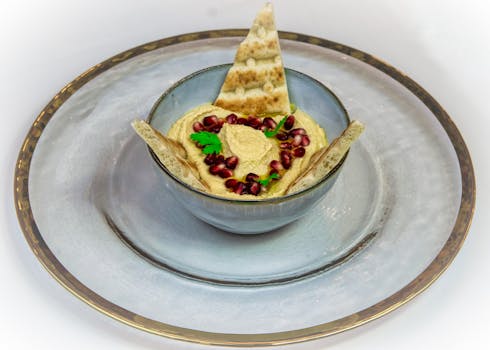
The diets react (see scores below)
Diet Ratings
Pita chips are made from wheat flour, delivering 15-20g net carbs per ounce. Grain-based snack with high carb density. Incompatible with ketosis.
Many pita chips contain dairy (cheese flavoring, milk powder) or eggs. Some brands are vegan. Requires label verification for each product.
Some vegans consider unflavored, plain pita chips to be automatically approvable (8+) without checking labels, assuming simplicity.
Pita chips are made from wheat flour (a grain) and are processed. They violate paleo principles regardless of seasoning or preparation method.
Pita chips are fried or baked refined grain products, often with added salt and oils. While pita bread itself can fit Mediterranean diet, chips represent processed form with higher caloric density and often added fats. Whole grain versions are preferable.
Pita chips are made from wheat flour (plant-derived grain) and typically contain vegetable oils and salt. They are a processed grain product with no animal products, violating carnivore principles.
Pita chips are made from pita bread (wheat grain) and are explicitly listed as a non-compliant recreated junk food (chips category). Violates both grain exclusion and junk food recreation rules.
Pita bread is typically made from wheat flour, which contains fructans (a type of oligosaccharide). Pita chips are a concentrated, processed form that increases FODMAP load. Even whole wheat pita is high in fructans.
Pita chips are processed and often high in sodium (150-300mg per ounce). While whole-wheat pita chips provide more fiber than white varieties, the sodium content and calorie density make them a caution food. Better alternatives: whole-grain crackers with lower sodium or vegetable-based crisps.
Refined wheat product with moderate glycemic index. Can be used in small portions (1 oz ≈ 1 carb block) as part of balanced meal, but whole-grain or vegetable alternatives are preferable. Often high in omega-6 oils.
Pita chips are fried refined carbohydrates. While pita bread itself is acceptable in moderation, frying introduces oxidized oils and increases inflammatory potential. Often high in sodium. Lacks fiber and antioxidants compared to whole grain alternatives.
Refined grain with minimal protein (2-3g per serving) and fiber. Often fried or high in oil, increasing fat content. Crunchy texture may be easier to digest than mochi, but nutrient density is low. Better as occasional condiment vehicle than standalone snack.
Nutritional profile
Six traits that cut across every diet.
Fiber & Plants
How much whole-plant food and fiber it delivers.
Healthy Fats
The quality of its fats (unsaturated, omega-3).
Whole / Unprocessed
How close it is to its natural, unprocessed form.
Gut Gentle
How easy it is on digestion (low FODMAP, few irritants).
Low Glycemic
How little it spikes your blood sugar.
Protein Density
How much protein it packs per calorie.
Controversy Index
Score range: 1–6/10. Higher controversy = more disagreement between diets.
Diet-Specific Tips for Pita chips
 Vegan — 6/10
- Dairy in flavored varieties
- Eggs in some formulations
- Plain versions often vegan
- Label-dependent
 Mediterranean — 5/10
- refined grain product
- high processing
- added salt and oils
- high caloric density
 DASH — 5/10
- High sodium content
- Processed grain product
- Moderate fiber if whole-wheat
- Calorie-dense snack
 Zone — 4/10
- Refined grain base
- Moderate glycemic load
- Often fried in seed oils
- Portion control essential
 Anti-Inflammatory — 4/10
- refined carbohydrate base
- fried preparation
- oxidized oils
- high sodium
- low fiber
 GLP-1 Friendly — 4/10
- refined grain
- low protein
- low fiber
- often fried
- low nutrient density