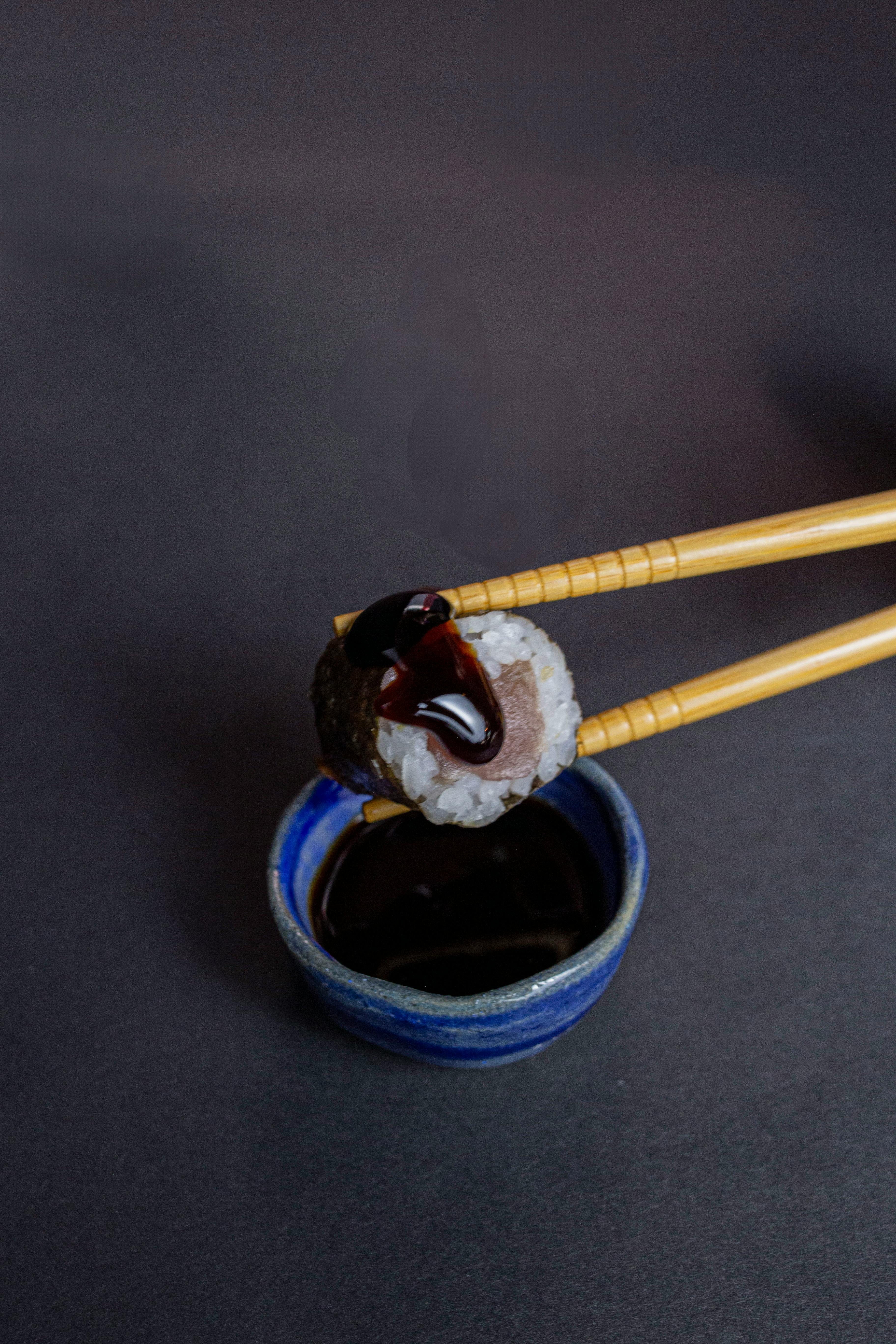
The diets react (see scores below)
Diet Ratings
Citrus-based sauce typically contains added sugars (2-3g per tablespoon). Requires careful portion control and checking labels for sugar content.
Some keto practitioners avoid ponzu entirely due to sugar content; others allow small amounts (1 tsp) of low-sugar versions if carbs fit daily budget.
Ponzu is typically made from citrus juice, soy sauce, mirin, and dashi (fish stock). Most commercial ponzu contains dashi, which is fish-based and non-vegan. Vegan versions exist but are less common. Ingredient verification is critical.
Some ponzu products use vegetable-based broths instead of dashi, making them vegan, but these are minority products in the market.
Ponzu is a sauce typically made with soy sauce (legume-based), mirin (grain-based), citrus, and added salt. Contains excluded ingredients: soy (legume) and grain-derived components.
Ponzu is a Japanese condiment typically containing soy sauce, citrus, and added sugars. While it contains some whole ingredients (citrus), the added sugar and soy sauce content make it less ideal. Mediterranean diet prefers simple vinegars and olive oil-based dressings.
Some modern Mediterranean interpretations embrace global condiments in small amounts for flavor; however, traditional Mediterranean cuisine relies on olive oil, vinegar, and fresh herbs rather than Asian condiments.
Ponzu is a sauce made from citrus juice, soy sauce, and other plant-derived ingredients. It violates the carnivore diet's exclusion of all plant foods and processed condiments.
Ponzu is a sauce typically made from citrus juice, vinegar, soy sauce, and sometimes mirin (sweet rice wine). While vinegar is allowed and citrus is allowed, traditional ponzu contains soy sauce (legume-derived) and often mirin (alcohol/sugar). Compliant versions using coconut aminos instead of soy sauce exist, but standard ponzu is non-compliant.
Official Whole30 guidance does not explicitly address ponzu. Most commercial ponzu contains soy (excluded legume) and/or mirin (alcohol/sugar). Compliant versions can be made with coconut aminos, but the standard product is not Whole30-compatible.
Ponzu is a citrus-based sauce typically containing soy sauce, citrus juice, and sometimes garlic/onion. Citrus is low-FODMAP, but many commercial ponzu brands contain garlic or onion (high-FODMAP). Homemade garlic-free versions are low-FODMAP. Standard serving (1-2 tbsp) of garlic-free ponzu is likely safe, but commercial varieties require label verification.
Monash data on ponzu specifically is limited. Many commercial brands contain garlic or onion, making them high-FODMAP. Practitioners recommend checking ingredient lists or making homemade versions during elimination phase.
Condiment typically high in sodium (800-1000mg per 2 tablespoons) due to soy sauce base. Contains added sugar. While flavorful and low in calories, sodium content conflicts with DASH sodium limits. Use sparingly or seek low-sodium versions.
Ponzu is a citrus-based sauce typically containing soy sauce, citrus juice, and sometimes added sugar. Macronutrient profile varies by brand: most contain ~1–2g carbs per tablespoon with minimal protein or fat. If sugar-free or low-sugar, it functions as a favorable condiment. If sweetened, it approaches 'avoid' territory. Requires label verification to assess glycemic impact.
Some Zone practitioners treat ponzu as 'approve' if it is unsweetened or low-sugar, as the citrus and soy components provide polyphenols and umami flavor without significant carbohydrate load. Sugar-sweetened versions should be avoided.
Ponzu is a citrus-based sauce typically made with lemon or lime juice, soy sauce, and sometimes ginger. The citrus provides vitamin C and antioxidants, soy sauce adds umami without excess sodium if used moderately, and ginger has anti-inflammatory properties. It is a flavorful condiment that supports anti-inflammatory cooking without added sugars or unhealthy fats.
Ponzu is a low-calorie, low-fat condiment (15 calories per tbsp) made from citrus and soy with minimal sugar and no fat. It adds significant flavor to small meals without triggering GI distress. Supports satiety and nutrient absorption without digestive burden.
Nutritional profile
Six traits that cut across every diet.
Fiber & Plants
How much whole-plant food and fiber it delivers.
Healthy Fats
The quality of its fats (unsaturated, omega-3).
Whole / Unprocessed
How close it is to its natural, unprocessed form.
Gut Gentle
How easy it is on digestion (low FODMAP, few irritants).
Low Glycemic
How little it spikes your blood sugar.
Protein Density
How much protein it packs per calorie.
Controversy Index
Score range: 2–8/10. Higher controversy = more disagreement between diets.
Diet-Specific Tips for Ponzu
 Keto — 4/10
- 2-3g net carbs per tablespoon
- Often contains added sugars
- Label variation significant
- Portion control critical
 Vegan — 6/10
- Often contains dashi (fish stock)
- Mirin may contain animal products
- Vegan versions available but uncommon
- Verify ingredient list
 Mediterranean — 4/10
- added sugar
- processed condiment
- not traditional Mediterranean
- citrus component positive
 Whole30 — 5/10
- Soy sauce (legume) in typical versions
- Mirin (alcohol/sugar) often present
- Compliant versions possible with substitutions
- Vinegar component is allowed
 Low-FODMAP — 5/10
- Citrus base is low-FODMAP
- Many commercial brands contain garlic/onion (high-FODMAP)
- Label verification essential
- Homemade garlic-free versions are safe
 DASH — 5/10
- high sodium
- added sugar
- processed condiment
- portion control critical
 Zone — 6/10
- Carbohydrate content varies by brand
- Citrus provides polyphenols
- Often contains added sugar
- Minimal protein or fat
- Label-dependent classification
 Anti-Inflammatory — 7/10
- citrus antioxidants
- vitamin C
- ginger (if present)
- low calorie
- minimal added sugar (in quality versions)
 GLP-1 Friendly — 8/10
- low calorie
- low fat
- flavor-enhancing
- easy to digest
- supports small meals