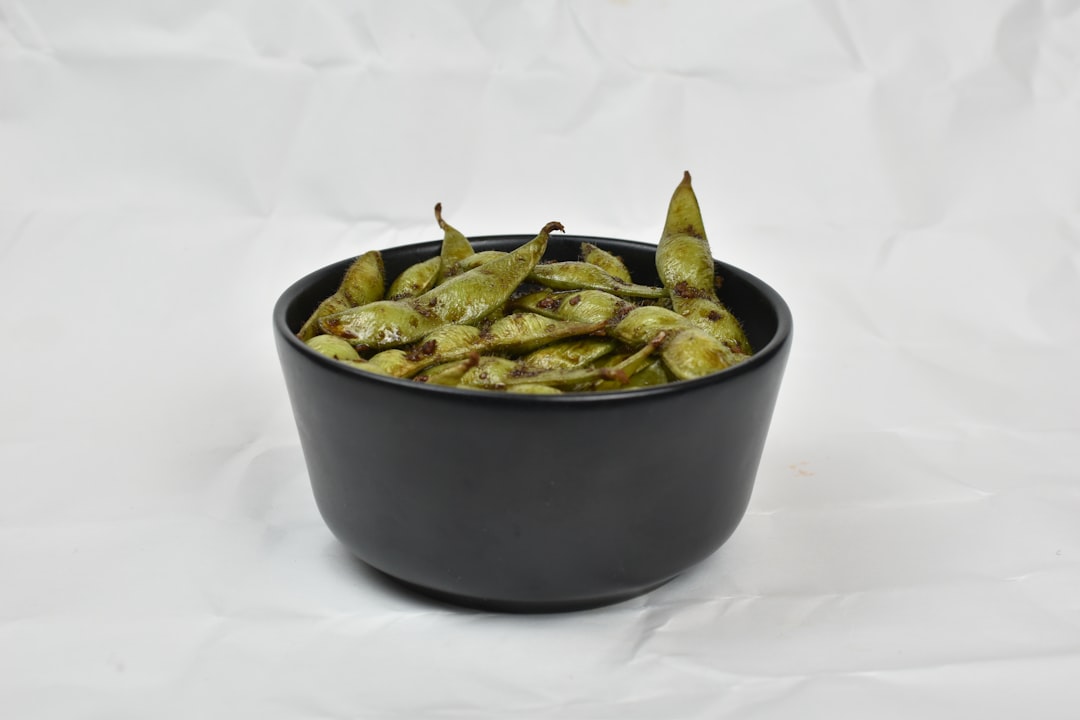
The diets react (see scores below)
Diet Ratings
Edamame contain ~3g net carbs per ounce. Small portions (1 oz) fit keto, but easy to overconsume. Mainstream keto allows measured amounts; some strict protocols limit legumes due to carb density.
Strict keto practitioners avoid legumes including edamame due to carb content and potential insulin response, while mainstream keto allows small portions as occasional vegetables.
Whole soybean legume, minimally processed. Excellent protein source, fiber-rich, and fully plant-based. Roasting with salt is simple preparation.
Edamame are soybeans, a legume explicitly excluded from paleo diet. Legumes contain anti-nutrients (lectins, phytic acid) and are not available to Paleolithic humans. Roasting does not eliminate the legume classification.
Whole legume product, excellent plant-based protein source. Legumes are Mediterranean diet staples consumed multiple times weekly. Roasting is minimal processing. High in fiber, nutrients, and plant protein.
Edamame are legumes (plant-derived). Legumes are explicitly excluded from carnivore diet. Roasting does not change the plant origin.
Edamame are soybeans, and soy is explicitly excluded from Whole30 as a legume. Roasting does not change the fundamental legume status.
Edamame (soybeans) contain GOS (galacto-oligosaccharides), which are high-FODMAP. Even small portions of edamame exceed low-FODMAP thresholds per Monash University testing. Roasting does not reduce GOS content.
Excellent DASH food: legume rich in plant-based protein, fiber, potassium, magnesium, and folate. Low in saturated fat. If unsalted or lightly salted, sodium is minimal. Supports DASH emphasis on plant-based proteins and legumes.
Excellent Zone food: 11g protein, 10g carbs, 6g fat per 100g serving. Low-glycemic carbs, plant-based lean protein, monounsaturated fat. Supports anti-inflammatory goals with polyphenols.
Whole soy food emphasized in anti-inflammatory diet. High in plant-based protein, fiber, and isoflavones with anti-inflammatory properties. Contains omega-3 fatty acids. Roasting (vs. frying in seed oils) preserves nutrients. Excellent source of polyphenols and minerals.
Excellent protein (11g per cup), good fiber (8g per cup), low fat (5g per cup, mostly unsaturated), easy to digest, nutrient-dense. Portion-friendly (small serving satisfies). Works well as snack or meal component. Minimal GI side effects.
Nutritional profile
Six traits that cut across every diet.
Fiber & Plants
How much whole-plant food and fiber it delivers.
Healthy Fats
The quality of its fats (unsaturated, omega-3).
Whole / Unprocessed
How close it is to its natural, unprocessed form.
Gut Gentle
How easy it is on digestion (low FODMAP, few irritants).
Low Glycemic
How little it spikes your blood sugar.
Protein Density
How much protein it packs per calorie.
Controversy Index
Score range: 1–8/10. Higher controversy = more disagreement between diets.
Diet-Specific Tips for Roasted edamame
 Keto — 5/10
- Legume (higher carb than most vegetables)
- 3g net carbs per oz
- Portion control essential
- Easy to overeat
 Vegan — 8/10
- Whole plant food
- High protein content
- Minimal processing
- Complete amino acid profile
 Mediterranean — 8/10
- whole legume
- plant-based protein
- minimal processing
- high fiber and nutrients
 DASH — 8/10
- Plant-based protein: 11g per cup
- Fiber: 8g per cup
- Potassium and magnesium rich
- Low sodium if unsalted
 Zone — 8/10
- balanced macronutrient profile
- low-glycemic carbohydrates
- plant-based lean protein
- monounsaturated fat
- polyphenol-rich
 Anti-Inflammatory — 8/10
- whole soy food
- plant-based protein
- isoflavones
- omega-3 content
- fiber and polyphenols
 GLP-1 Friendly — 8/10
- high protein
- high fiber
- low fat
- unsaturated fat
- nutrient-dense
- portion-friendly