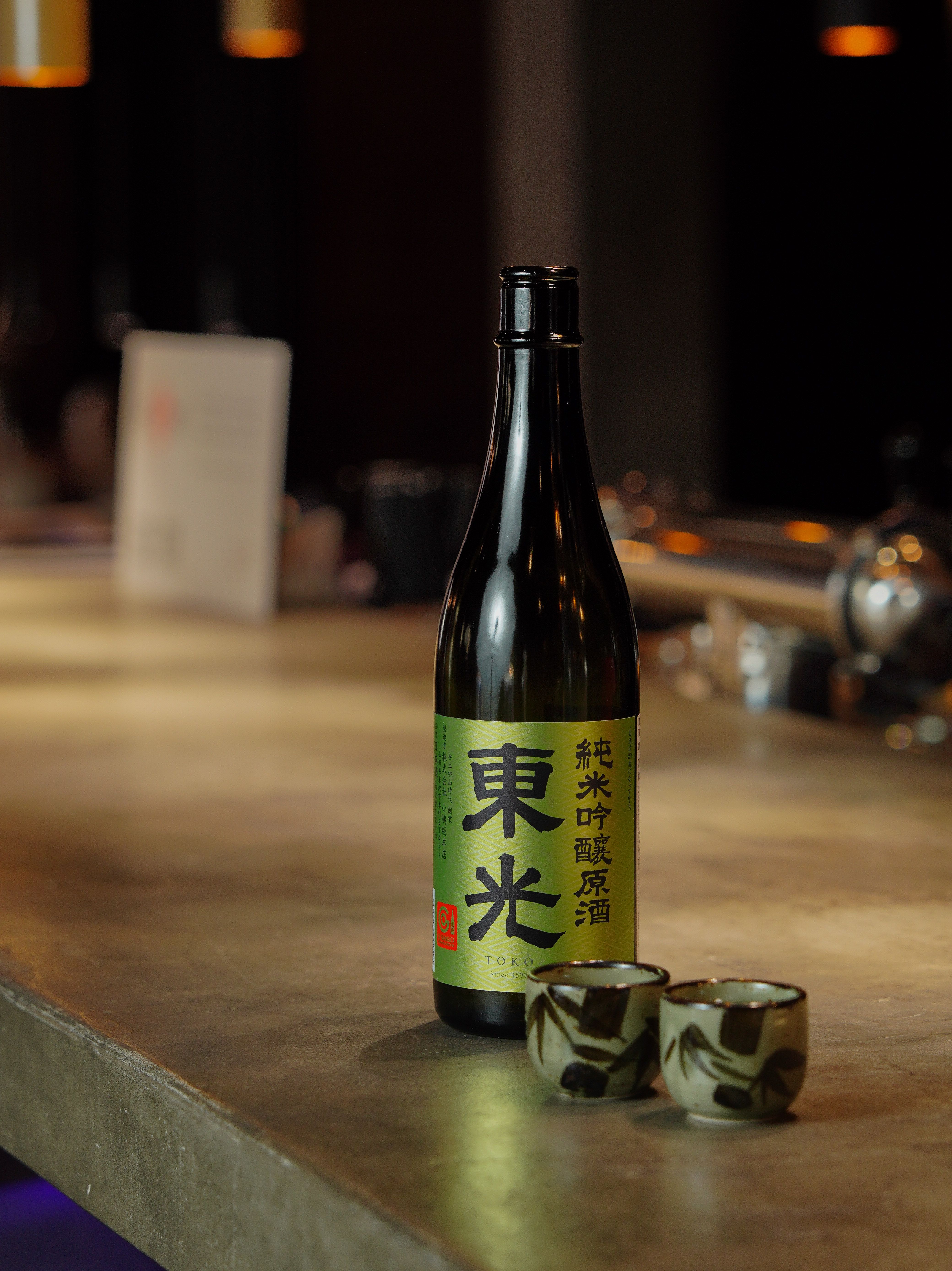
The diets react (see scores below)
Diet Ratings
Rice wine with ~5g net carbs per 1.5 oz serving plus alcohol metabolism interference. Fermentation does not eliminate carbs sufficiently for keto.
Sake is fermented from rice and technically plant-based, but many traditional sake brands use isinglass (fish bladder) or other animal-derived fining agents. Modern vegan sake exists but is not the default.
Some vegans accept sake as plant-based since the fining agents are removed during processing and not present in the final product, while strict vegans avoid it due to the use of animal products in production.
Sake is an alcoholic beverage made from rice (a grain). While alcohol is debated in paleo, sake's grain origin makes it problematic. Most paleo practitioners avoid grain-based alcohols, preferring wine or spirits.
Some paleo practitioners accept minimal quantities of alcohol including sake, arguing that fermentation and distillation remove grain properties. However, the grain origin remains contentious.
Alcoholic beverage not part of Mediterranean tradition. While moderate red wine is traditionally included, sake is outside the diet framework and offers no nutritional benefit.
Fermented rice beverage (plant-derived). While fermentation may reduce some plant compounds, the base is plant-derived grain (rice). Carnivore excludes all plant-derived foods and alcoholic beverages derived from plants.
Sake is an alcoholic beverage made from rice. Alcohol is explicitly excluded from Whole30. While some alcohols (wine, champagne, sherry) are permitted in cooking contexts, sake is not listed as an exception.
Sake (rice wine) is made from fermented rice and contains minimal residual carbohydrates due to fermentation. However, Monash data on sake is limited, and alcohol content and fermentation byproducts create ambiguity. Some FODMAP practitioners recommend caution with all alcoholic beverages during elimination due to potential gut irritation and fermentation effects, even if FODMAP content is low.
Monash has not extensively tested sake, and clinical FODMAP practitioners diverge on alcohol recommendations during elimination. While fermentation likely reduces FODMAPs, the practical concern is alcohol's effect on gut permeability and symptom triggers independent of FODMAP content. Conservative elimination-phase guidance suggests avoiding or limiting alcohol.
Alcoholic beverage with minimal sodium but contains carbohydrates and calories. DASH does not explicitly prohibit moderate alcohol but emphasizes it should be limited. Some DASH interpretations allow 1 drink/day for women, 2 for men.
NIH DASH guidelines do not specifically address alcohol, but updated cardiovascular guidance suggests moderate consumption (≤1 drink/day women, ≤2 men) may be acceptable; however, some conservative DASH practitioners recommend minimizing all alcohol for hypertension management.
Sake is fermented rice wine with significant carbohydrate and alcohol content (~4g carbs per 1.5 oz serving). High glycemic impact and provides empty calories. Alcohol also impairs insulin sensitivity and fat metabolism. Cannot be reasonably incorporated into Zone macronutrient ratios.
Sake is an alcoholic beverage with added sugars and minimal anti-inflammatory compounds. Anti-inflammatory frameworks limit alcohol beyond moderate red wine. Sake provides empty calories, can increase cortisol and inflammatory markers, and offers no nutritional benefit. It is not part of recommended anti-inflammatory beverages.
Increasing hypoglycemia risk and hepatotoxicity. Empty calories (0 protein, 0 fiber, 135 cal per 1.5 oz). Dehydration risk (GLP-1 already reduces thirst). Worsens nausea and reflux.
Nutritional profile
Six traits that cut across every diet.
Fiber & Plants
How much whole-plant food and fiber it delivers.
Healthy Fats
The quality of its fats (unsaturated, omega-3).
Whole / Unprocessed
How close it is to its natural, unprocessed form.
Gut Gentle
How easy it is on digestion (low FODMAP, few irritants).
Low Glycemic
How little it spikes your blood sugar.
Protein Density
How much protein it packs per calorie.
Controversy Index
Score range: 1–5/10. Higher controversy = more disagreement between diets.
Diet-Specific Tips for Sake
 Vegan — 5/10
- Often filtered with animal-derived fining agents
- Vegan versions available
- Production method varies by brand
 Paleo — 4/10
- grain-derived
- alcoholic beverage
- processed
- fermented
 Low-FODMAP — 5/10
- Made from fermented rice (low-FODMAP base)
- Fermentation reduces residual carbohydrates
- Limited Monash testing on sake specifically
- Alcohol may trigger symptoms independent of FODMAP content
 DASH — 5/10
- Minimal sodium
- Contains carbohydrates and calories
- Alcohol content
- Moderation-dependent acceptability