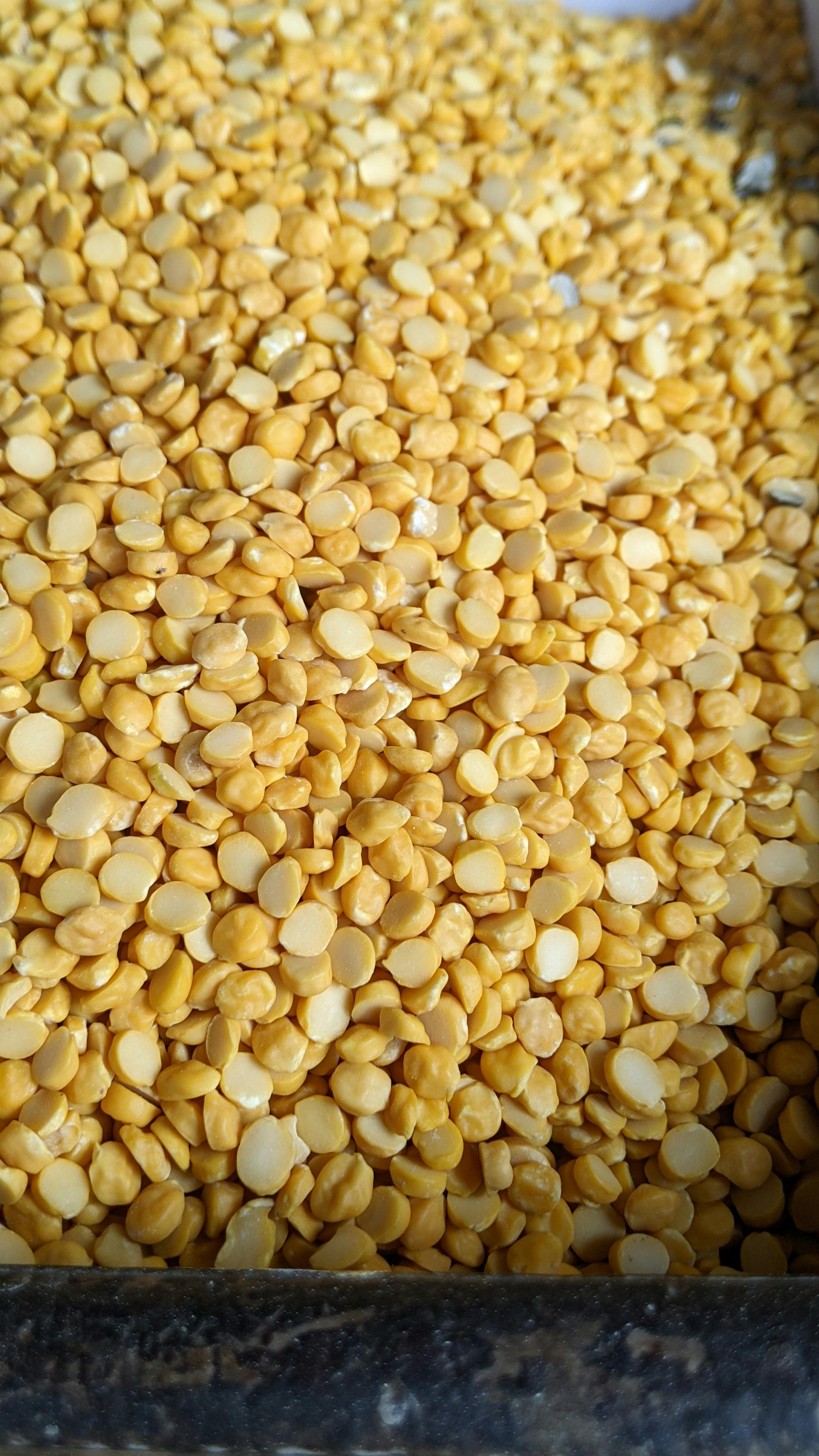
The diets react (see scores below)
Diet Ratings
Toor dal (pigeon pea lentils) contains approximately 20g net carbs per cooked cup. Legumes are fundamentally high-carb and incompatible with ketogenic macros.
Toor dal (pigeon pea lentils) is a dried legume. Entirely plant-derived with no animal ingredients or processing concerns. A whole plant food and excellent protein source.
Toor dal (pigeon pea) is a legume, explicitly excluded from the paleo diet. Legumes contain anti-nutrients and are not ancestrally available to Paleolithic humans.
Toor dal (pigeon pea lentil) is an Indian legume, not traditional to Mediterranean cuisine. However, the Mediterranean diet strongly emphasizes legumes as a core plant-based protein. While toor dal is not Mediterranean, it aligns with the legume principle. Traditional Mediterranean legumes (chickpeas, lentils, beans) are preferred, but toor dal fits the plant-based framework.
Purist Mediterranean diet interpretations emphasize traditional Mediterranean legumes (chickpeas, fava beans, lentils). However, modern inclusive interpretations recognize that non-Mediterranean legumes like toor dal share the same nutritional and plant-forward benefits as traditional Mediterranean varieties.
Legume-derived food (split pigeon peas). Plant food explicitly excluded from carnivore diet. High carbohydrate and plant compound content incompatible with carnivore principles.
Toor dal (pigeon pea lentils) is a legume. Legumes and lentils are explicitly excluded from Whole30.
Toor dal (pigeon pea lentils) is high in GOS (galacto-oligosaccharides), a FODMAP category. Legumes are a primary FODMAP source. Even cooked toor dal retains significant GOS content. Not suitable during elimination phase. Canned versions with drained liquid are lower but still not recommended during strict elimination.
Toor dal (pigeon pea lentils) is a legume rich in fiber, potassium, magnesium, and plant-based protein. DASH explicitly emphasizes legumes and beans as core protein sources. Low sodium and saturated fat when prepared without added salt.
Toor dal (pigeon pea lentil) is a legume with moderate protein (~7g per 1/2 cup cooked) and higher carbohydrate content (~20g per 1/2 cup cooked, ~15g net carbs after fiber). While legumes contain protein and fiber, they are classified as 'unfavorable' carbs in strict Zone terminology due to higher glycemic load compared to vegetables. Can be used in Zone meals but requires careful portioning and should be balanced with lean protein and monounsaturated fat.
Some Zone practitioners and Sears' later anti-inflammatory work acknowledge legumes as acceptable in moderation due to their fiber and polyphenol content, though they remain less favorable than low-GI vegetables. Early Zone materials were stricter on legume portions.
Toor dal (pigeon pea) is a legume rich in fiber, plant-based protein, and polyphenols. Low glycemic index, supports gut health, and provides sustained energy without blood glucose spikes. Aligns with anti-inflammatory emphasis on beans and legumes.
Toor dal (pigeon pea lentils) provides 15-18g protein and 7-8g fiber per cooked cup, making it excellent for GLP-1 patients. Low fat, nutrient-dense, and supports satiety and digestive health. Easily digestible when cooked soft. Pairs well with vegetables and lean proteins.
Nutritional profile
Six traits that cut across every diet.
Fiber & Plants
How much whole-plant food and fiber it delivers.
Healthy Fats
The quality of its fats (unsaturated, omega-3).
Whole / Unprocessed
How close it is to its natural, unprocessed form.
Gut Gentle
How easy it is on digestion (low FODMAP, few irritants).
Low Glycemic
How little it spikes your blood sugar.
Protein Density
How much protein it packs per calorie.
Controversy Index
Score range: 1–10/10. Higher controversy = more disagreement between diets.
Diet-Specific Tips for Toor dal
 Vegan — 10/10
- legume
- whole plant food
- no animal ingredients
- high protein
 Mediterranean — 5/10
- Legume (plant-based protein)
- Non-Mediterranean origin
- Aligns with legume principle
- Traditional Mediterranean legumes preferred
 DASH — 8/10
- legume (core DASH food)
- high fiber
- rich in potassium and magnesium
- plant-based protein
- low sodium and saturated fat
 Zone — 5/10
- Moderate protein content for legume
- Higher carbohydrate load than vegetables
- Contains beneficial fiber and polyphenols
- Requires careful portion control in Zone meals
 Anti-Inflammatory — 8/10
- legume (beans/pulses)
- high fiber
- plant-based protein
- low glycemic index
- polyphenols
 GLP-1 Friendly — 8/10
- high protein and fiber
- low fat
- nutrient-dense
- supports digestive health
- easy to digest when cooked