The diets react (see scores below)
Diet Ratings
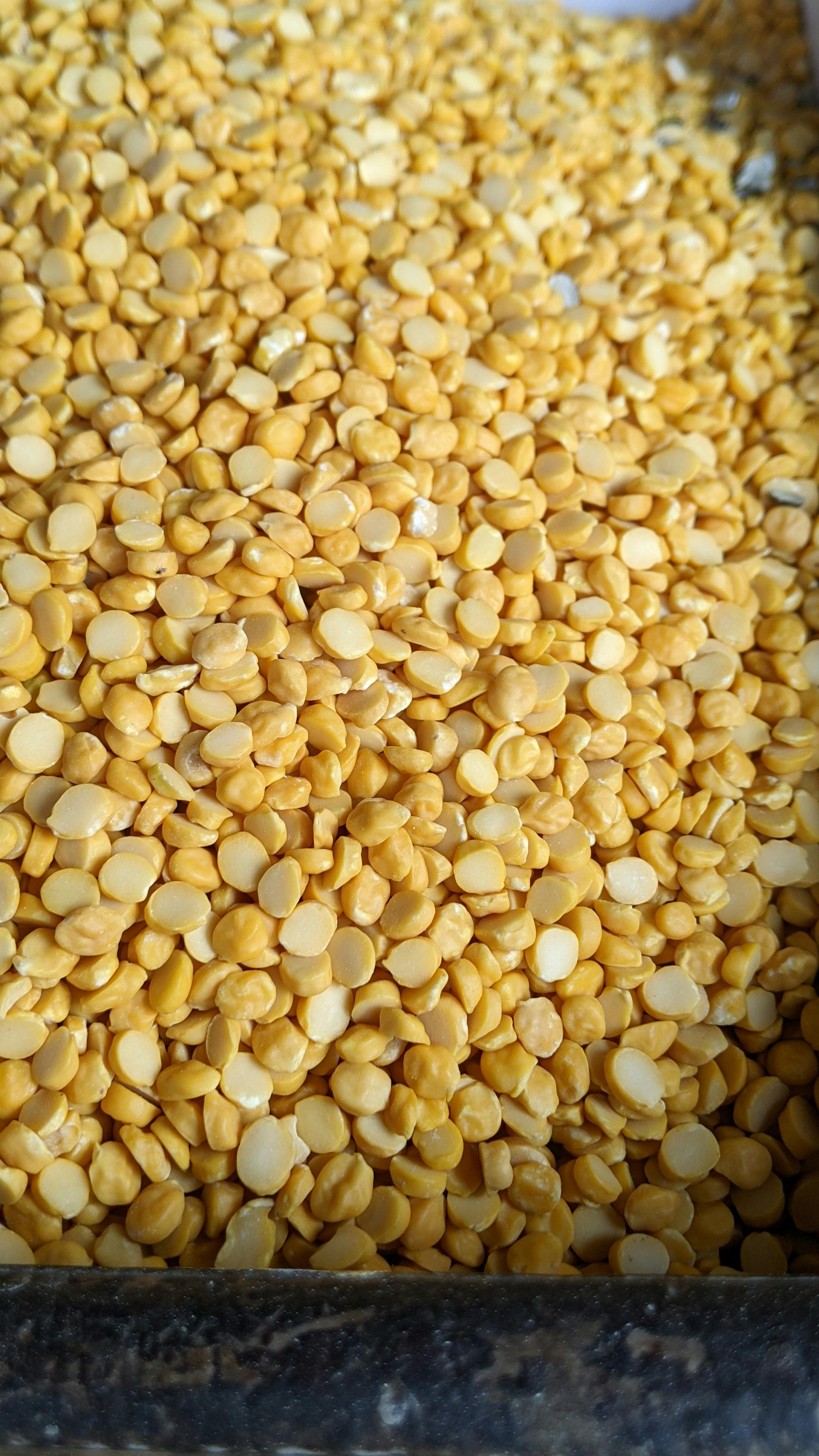
Yellow moong dal (mung bean) is a legume with ~20g net carbs per 100g cooked. Fundamentally incompatible with ketogenic diet due to high carbohydrate content and starch profile.
Whole plant legume with no animal products or derivatives. Excellent source of plant-based protein and fiber. Staple in vegan diets.
Moong dal is a legume (mung bean), explicitly excluded from paleo diet. Legumes contain anti-nutrients like lectins and phytic acid that damage gut health and nutrient absorption. Clear consensus across all paleo authorities.
Yellow moong dal is a legume, a cornerstone of the Mediterranean diet. It is plant-based, whole, nutrient-dense, and provides protein and fiber. While not traditionally Mediterranean, it aligns perfectly with the diet's legume emphasis.
Moong dal is not a traditional Mediterranean legume; Mediterranean cuisines typically emphasize chickpeas, lentils, and fava beans. However, modern Mediterranean diet principles embrace all legumes as nutritionally equivalent plant-based proteins.
Yellow moong dal is a legume (plant-derived) and is completely incompatible with carnivore diet principles. Legumes are explicitly excluded due to their plant origin, high carbohydrate content, and anti-nutritive compounds. No carnivore protocol permits legumes in any form.
Yellow moong dal is a legume (mung bean). Legumes are explicitly excluded from Whole30 for the entire 30-day period. There are no exceptions for moong dal.
Moong dal (mung bean) contains GOS (galacto-oligosaccharides), a FODMAP. Monash rates cooked mung beans as low-FODMAP at 1/2 cup cooked (75g), but dried moong dal has higher FODMAP concentration. Canned/rinsed versions are lower in GOS due to leaching. During strict elimination, portion control is essential; many practitioners recommend avoiding legumes entirely to simplify compliance.
Monash rates cooked mung beans as low-FODMAP at 1/2 cup, but clinical FODMAP practitioners often recommend avoiding all legumes during the elimination phase due to GOS content and practical difficulty in portion control. Rinsing canned versions reduces GOS but does not eliminate it entirely.
Yellow moong dal (mung bean) is a legume core to DASH. Excellent source of plant-based protein, fiber, potassium, and magnesium. Low sodium in unsalted form. Supports 1-2 servings/week legume target.
Moong dal is a legume with a favorable protein-to-carb ratio compared to many legumes, but it is still carbohydrate-dense. One cooked cup (~200g) contains roughly 14g protein and 38g net carbs, requiring approximately 2 protein blocks and 4 carb blocks. It can fit into Zone meals but requires precise portioning and should be balanced with fat and non-starchy vegetables.
Moong dal (mung bean) is a legume rich in plant-based protein, fiber, polyphenols, and resistant starch. It has low glycemic impact, supports gut health, and contains compounds with demonstrated anti-inflammatory activity. It is easily digestible compared to other legumes and is emphasized in traditional anti-inflammatory cuisines.
Yellow moong dal is an excellent plant-based protein source (12-14g protein per cooked cup), high in fiber (8g per cooked cup), low in fat, and easy to digest. It is nutrient-dense per calorie and works well in small portions. Ideal for GLP-1 patients seeking plant-based protein.
Nutritional profile
Six traits that cut across every diet.
Fiber & Plants
How much whole-plant food and fiber it delivers.
Healthy Fats
The quality of its fats (unsaturated, omega-3).
Whole / Unprocessed
How close it is to its natural, unprocessed form.
Gut Gentle
How easy it is on digestion (low FODMAP, few irritants).
Low Glycemic
How little it spikes your blood sugar.
Protein Density
How much protein it packs per calorie.
Controversy Index
Score range: 1–10/10. Higher controversy = more disagreement between diets.
Diet-Specific Tips for Yellow moong dal
 Vegan — 10/10
- Whole plant legume
- High protein content
- No animal ingredients
 Mediterranean — 8/10
- Legume—core Mediterranean food group
- Plant-based protein source
- High in fiber and micronutrients
- Whole, unprocessed food
 Low-FODMAP — 4/10
- Contains GOS (galacto-oligosaccharides)
- Cooking and rinsing reduce GOS content
- Portion size critical: 1/2 cup cooked is threshold
 DASH — 8/10
- High plant-based protein
- Rich in fiber and potassium
- Low sodium (unsalted)
- Supports legume servings
 Zone — 5/10
- Legume with moderate protein content
- Carbohydrate-dense
- Requires careful portioning
- Better than many legumes for Zone
- Plant-based protein option
 Anti-Inflammatory — 8/10
- plant protein
- fiber
- polyphenols
- low glycemic index
- resistant starch
- digestibility
 GLP-1 Friendly — 8/10
- High protein density for plant-based source
- High fiber content
- Low fat
- Easy to digest
- Nutrient-dense per calorie