FoodRef · Recipe
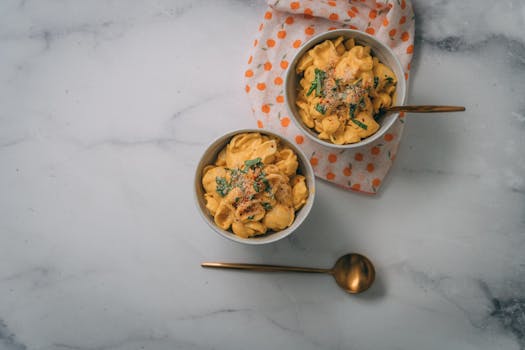
Vegan Cauliflower Mac and Cheese
2 approve · 4 caution · 5 avoid
Standard deviation of the 11 scores. Higher = the diets disagree more.
The diets react (see scores below)
Ingredients
- 1/4 cup refined coconut oil
- 1 shallot thinly sliced (optional)
- 2 tbsp nutritional yeast
- 2 tsp ground mustard
- 1/4 tsp ground turmeric (optional, for color)
- 1/2 tbsp tomato paste
- 2 cloves garlic thinly sliced
- 1 tsp salt
- 3 and 1/2 cups plain, unsweetened almond milk
- 3 tbsp white or yellow miso
- 3 and 1/2 cups raw cauliflower florets (12 oz.) (approximately 1/2 inch florets)
- 3/4 cup raw cashews chopped
- 1 pound elbow macaroni or other pasta of choice (I almost always use whole wheat)
- 1/2 tbsp distilled white vinegar
- hemp parmesan (optional, for serving)
Instructions
- Heat the oil in a large saucepan over medium heat until shimmering. If using the optional shallot, add it and stir, cooking until slightly softened, about 3-4 minutes. Add the nutritional yeast, mustard, turmeric, tomato paste, garlic, and salt. Stir and cook for about 45 seconds, or until fragrant. Add the almond milk, scraping the bottom of the pan as you stir it in. Bring to a steady simmer.
- Add the miso, cauliflower, and cashews to the pan, reduce the heat to medium-low, and partially cover the pan. Continue to cook, stirring occasionally, until the cauliflower is fork-tender, about 20 minutes.
- Add the mixture to your blender (working in batches if needed; I divide this in half to use in my Ninja) and blend until completely smooth. If you don't have a high-powered blender this may take a few minutes to break down the cashews. Stop to scrape down the sides as needed. Set aside when done.
- Meanwhile, cook your pasta in a pot of generously-salted water. Cook until al dente, according to package instructions. Reserve 1/2 cup of the pasta cooking water, then drain the pasta (but do not rinse it), leaving it in the strainer.
- Add the pureed cauliflower mac and cheese sauce to the pot, and turn the heat to medium low. Cook, stirring frequently, until gently simmering. Stir in the cooked pasta, the white vinegar, and a splash of the pasta water. Continue to cook until the sauce is slightly thickened onto the pasta. Add more of the pasta water to thin out the sauce as needed.
- Season to taste with additional salt and pepper and serve immediately. The leftovers from this vegan mac and cheese taste good, but it's definitely far better when fresh! I find that the leftovers just need a little additional salt and vinegar or hot sauce added because the pasta absorbs a little bit of the flavor when it sits.
Diet-by-diet
Plant-forward with cauliflower, cashews, and almond milk, but added salt plus miso push sodium higher than DASH ideals.
Uses olive-oil-adjacent plant fats, vegetables, nuts, and whole wheat pasta, though coconut oil and miso aren't classically Mediterranean.
Entirely plant-based — nutritional yeast and miso replace cheese, with no animal products anywhere.
Contains no meat or animal products at all, making it incompatible with a carnivore diet.
Includes pasta, legumes (miso), and cashews in high amounts — multiple non-paleo staples.
Pasta and starchy cauliflower-cashew sauce make this far too carb-heavy for keto.
Shallot, garlic, cashews, cauliflower, and wheat pasta are all high-FODMAP triggers.
Pasta, legumes (miso, nutritional yeast issues), and white vinegar/coconut oil refined make this non-compliant.
Carbs from pasta dominate over modest plant protein and fats, so the macro balance is off from Zone's 40/30/30 target.
Turmeric, cauliflower, cashews, and miso bring anti-inflammatory compounds, though refined coconut oil and refined pasta dampen the score.
Decent fiber from cauliflower and whole wheat pasta plus some protein from cashews and miso, but pasta-heavy portions and limited protein density make it only moderately filling.