The diets react (see scores below)
Diet Ratings
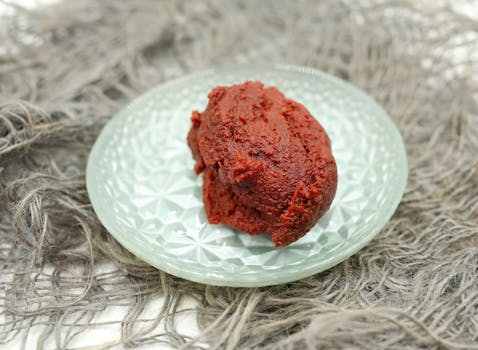
Achiote paste is primarily ground annatto seeds with fat and spices. Net carbs vary by brand (2-4g per tablespoon typical), manageable in small portions but requires tracking. Some commercial versions contain added sugars.
Strict keto practitioners avoid achiote paste due to seed carbs accumulating quickly; lazy keto users incorporate small amounts without concern.
Made from annatto seeds ground with spices and oil. Fully plant-based with no animal products or derivatives.
Achiote (annatto) is a natural spice from seeds, paleo-compliant in principle. However, commercial achiote paste often contains added salt, vegetable oil (seed oil), and preservatives. Pure ground achiote is acceptable; prepared pastes require ingredient verification.
Strict paleo practitioners may avoid all seed-based products including annatto, though most modern paleo authorities accept whole spices and seeds in their natural form.
Achiote paste is made from annatto seeds and typically contains added oils and salt. While the base ingredient is natural, commercial versions often contain preservatives and added fats. Use sparingly as a seasoning rather than a staple.
Some Mediterranean practitioners accept achiote as a traditional spice blend similar to harissa, particularly in regions with cultural overlap. The annatto seed itself is minimally processed.
Achiote paste is made from annatto seeds (plant-derived). It is a plant-based condiment with no animal origin, directly contradicting carnivore diet rules.
Achiote (annatto) paste made from ground annatto seeds with salt and spices is compliant. Check ingredient label for added sugar or non-compliant additives.
Achiote (annatto) paste is primarily ground annatto seeds with spices and salt. Annatto seeds are low-FODMAP. No significant FODMAP-containing ingredients in standard formulations.
Achiote paste is primarily annatto seeds with fat and spices. While low in sodium, it is calorie-dense and high in fat. Acceptable in small amounts for flavoring, but portion control is essential.
NIH DASH guidelines emphasize limiting total fat intake; however, some clinicians argue that the fat in achiote is primarily unsaturated and the spice's antioxidant properties may offer modest benefits when used sparingly.
Achiote (annatto) paste typically contains fat and minimal carbs, but commercial versions often include added oils and salt. Macro profile depends heavily on formulation. Can be Zone-compatible in small portions as a flavoring agent.
Some Zone practitioners treat achiote as a spice-level condiment (approve), while others flag the fat content in paste form as requiring portion control.
Achiote (annatto) contains carotenoids with antioxidant properties, but commercial pastes often contain added oils (frequently high-omega-6 seed oils), salt, and sometimes preservatives. Inflammatory potential depends heavily on formulation and oil type used.
Pure annatto powder without added oils would score higher (7-8). Some anti-inflammatory authorities focus on the carotenoid benefits and overlook oil composition concerns.
Achiote paste is primarily a spice blend with fat content varying by brand (typically 5-10g fat per tablespoon). The spice level is moderate, but fat content and portion control are concerns. Used sparingly as a seasoning, it's acceptable; used liberally, it adds unnecessary fat.
Some RDs view achiote as a flavorful, low-calorie seasoning option acceptable in small amounts; others caution that the fat content and potential for overuse make it less ideal than spice-only alternatives.
Nutritional profile
Six traits that cut across every diet.
Fiber & Plants
How much whole-plant food and fiber it delivers.
Healthy Fats
The quality of its fats (unsaturated, omega-3).
Whole / Unprocessed
How close it is to its natural, unprocessed form.
Gut Gentle
How easy it is on digestion (low FODMAP, few irritants).
Low Glycemic
How little it spikes your blood sugar.
Protein Density
How much protein it packs per calorie.
Controversy Index
Score range: 1–9/10. Higher controversy = more disagreement between diets.
Diet-Specific Tips for Achiote paste
 Keto — 5/10
- 2-4g net carbs per tablespoon
- Seed-based (inherent carbs)
- Brand variation in additives
- Portion control required
 Vegan — 9/10
- Annatto seed-based
- Plant oils
- No animal ingredients
 Paleo — 6/10
- Natural spice from seeds
- Commercial versions often contain seed oils and salt
- Ingredient list critical
- Pure ground achiote is preferable
 Mediterranean — 5/10
- Often contains added oils
- May have preservatives
- Traditional spice blend
- Portion control important
 Whole30 — 8/10
- Natural spice-based paste
- No grains, legumes, or dairy
- Verify no added sugar in commercial versions
 Low-FODMAP — 8/10
- Annatto seeds are low-FODMAP
- Verify no garlic or onion in ingredient list
- Typical serving is small (1-2 tbsp)
 DASH — 5/10
- High fat content (primarily unsaturated)
- Low sodium
- Calorie-dense
- Minimal added sugars
 Zone — 5/10
- Fat-based paste
- Minimal carbs
- Commercial formulations vary
- Small portions recommended
 Anti-Inflammatory — 5/10
- Carotenoid antioxidants in annatto seed
- Often contains added oils—check for seed oil content
- Variable sodium levels in commercial preparations
- Potential preservatives in packaged versions
 GLP-1 Friendly — 5/10
- Moderate spice level
- Variable fat content by brand (5-10g per tablespoon)
- Portion control critical
- Adds flavor without protein/fiber